In a restoration, you are often tempted to reach for the hand sander. Do you realy want to spend your weekend removing rust? The alternative is soda blasting.
This process shoot pressurized baking soda that will remove corrosion and paint but not damage underlying metal. That is where it works well. What does that mean for your workflow?
What are you giving up in order to get this effect? You give up power and you give up efficiency. You gain gentleness on top of your surface.
Knowing that will help you determine whether or not you should of invest in a blasting cabinet. That’s how it differentiates between casual buyer and people who have a serious workflow. Professional blasting require the right equipment, most of which is not found in an average home garage.
Soda Blasting Basics for Air Compressor Owners
Equipment Requirements and Compressor Setup
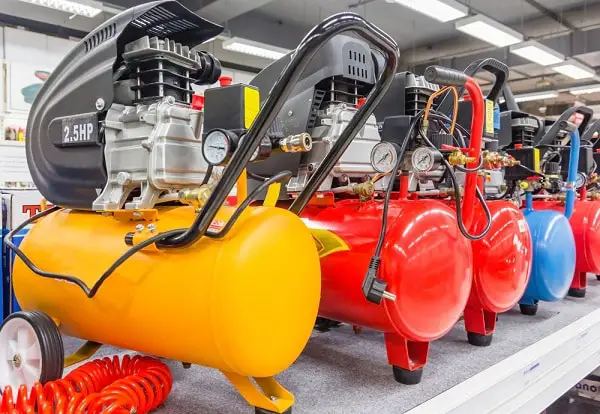
It is 5 horsepower compressor. I bet you don’t have one of those. But if you’re like me, you’ve got a regular tank type compressor designed to handle things like paint sprayers; not much else.
Volume AND pressure is necessary from your compressor. Otherwise, the soda won’t blast out of nozzle with any power. Instead, it’ll puff out at you like a sticky mess.
Advantages of Baking Soda Media
Soft (Baking soda is soft). It is low on hardness scale. Doesn’t scratch fine finish and won’t dent aluminum.
Soft is good. Soft is bad. When they touch the particles break apart.
Don’t bounce around like glass bead. Stop moving when they come in contact with whatever they are trying to clean. It is less efficient at cutting, requires more flow for the same result.
Common Problems and Troubleshooting Tips
Flow is downfall for most set-ups. Twenty to thirty cubic feet per minute is what a standard home compressor put out. Soda blasters requires much more.
The drop in pressure cause media to clog. Moisture in the air line make it wet. And when it’s wet, it stick together like paste and stops moving.
Because of poor setup and moisture, you end up wasting time clearing hose clogs instead of removing contaminant from your metal. Don’t use a soda blaster on small compressor without a bigger tank or some kind of booster. It will only frustrate you.
Keep it dry. The soda soaks up ambient moisture. Failure to use the drain valve on the compressor will cause sludgey media.
Use a good in line filter and water trap. Check it constantly. Don’t worry about the PSI as much as you do this one.
Cleaning Ease and Environmental Benefits
Dry soda sprays, wet stuff doesn’t, it just clings to whatever it hits. It’s all worth it for environmental reasons. Soda dust biodegrades.
It washes off. It doesn’t get embedded into crevices or threads. That alone is a major plus if you’re working on an engine block or carburetor.
Blast it, give it a rinse and go. No second round cleaning necessary. The soft nature of the media maintain part shape.
Limitations and Best Use Cases
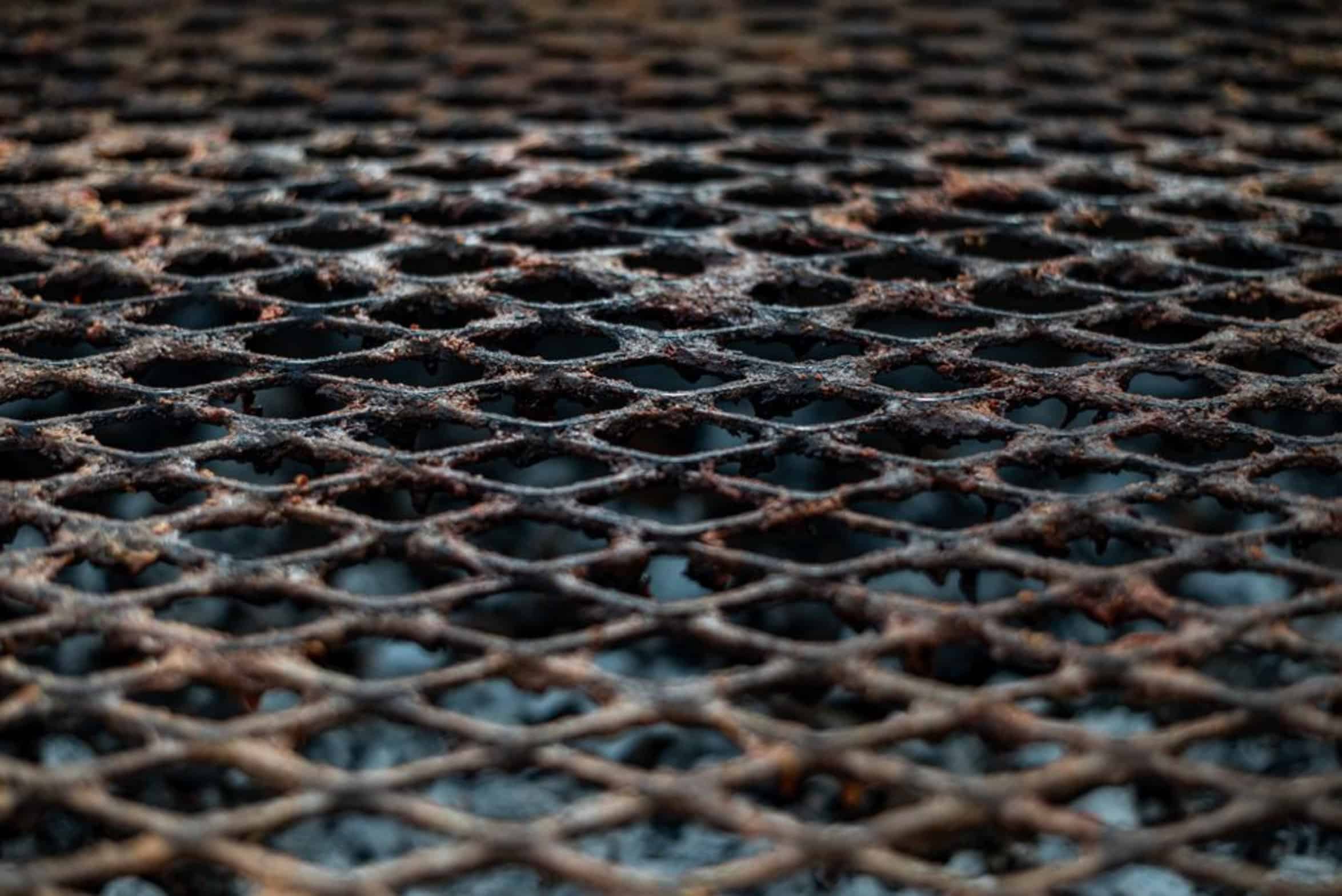
There are limitations to soda blasting. Do thick coat of body filler come off in one piece? No. Heavy scale rust?
No alone. Soda blasting do a great job for surface oxidation, light paint, and soot removal. Knowing that help you use the tool well.
This isn’t a brute force tool but rather a precision instrument. Use it as such. Parts remains intact, metal remains clean, and the project moves forward.