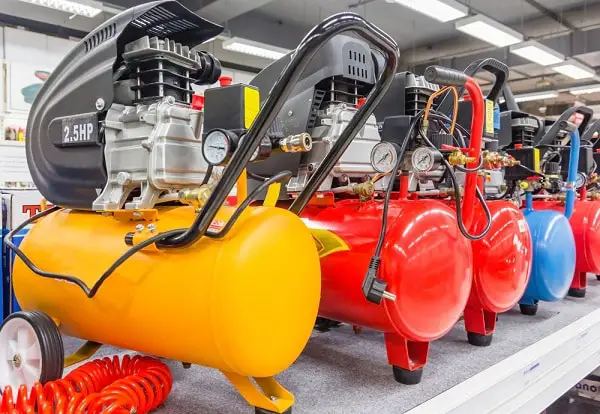
For decades pneumatic nailers has ruled the job site. They’re fast, they’re powerful, they’re consistent. A good gun paired with a good compressor will give you reliable performance.
But you’re tied down to an air source. This can be a hindrance when working on back end of a roof or moving upstairs to second floor. The Milwaukee M18 system has turned this convenince into an industry standard.
It remove the hose and uses a battery-powered system. This is now the norm in remodeling, finishing, and framing job. No longer do people ask if battery power does the job.
Now they ask how well it performs compared to an air-powered system. The one area where air tools excel is in speed. An air tool fires with more force then battery tools can currently match.
Comparing Milwaukee M18 And Pneumatic Nailers
Speed and Power Comparison
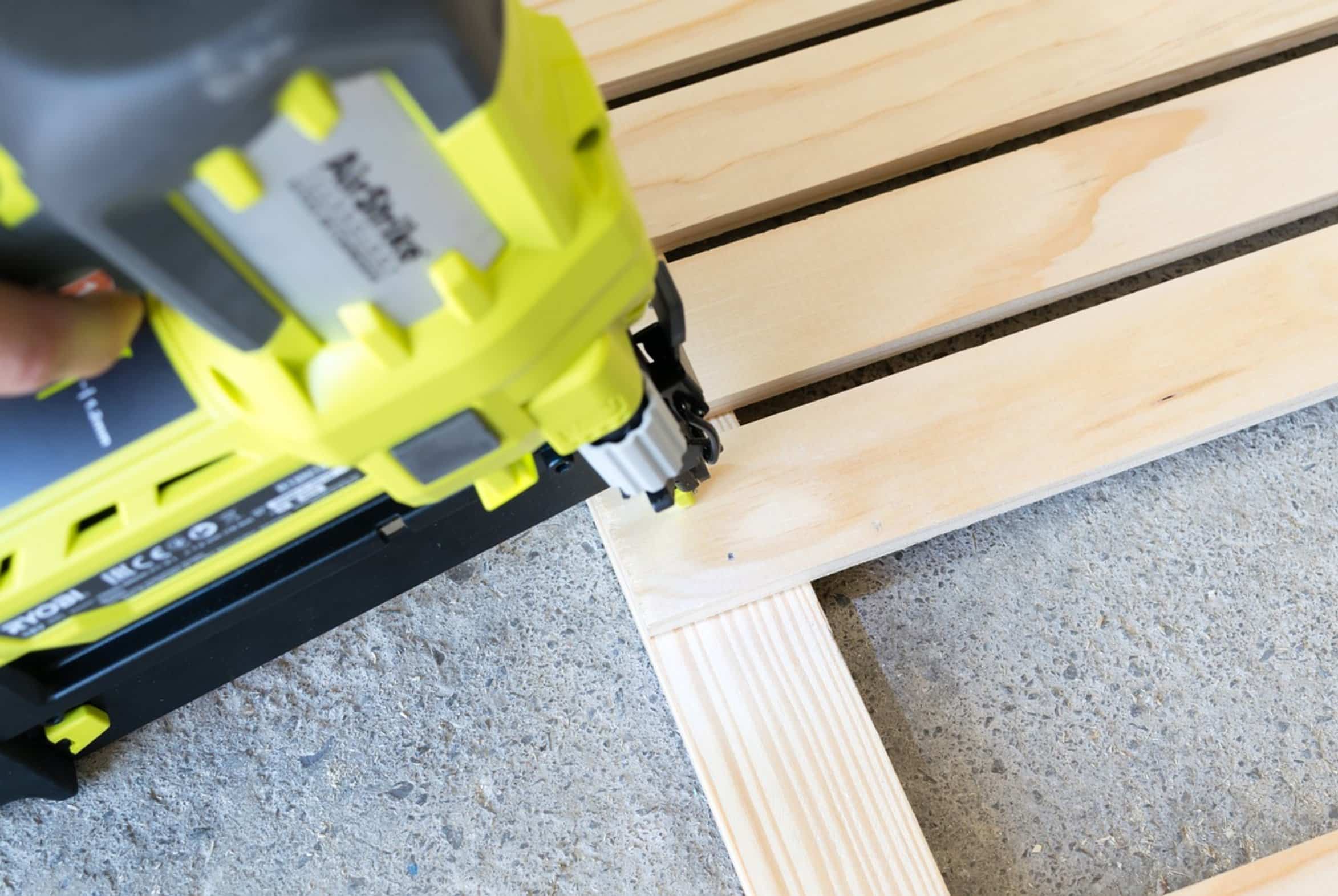
If you’re building a wall in the winter and you want work fast, you need speed. You pull the trigger on a pneumatic finish nailer, and it’s like the pin has already driven through the wood by the time you feel the trigger pulled back. The motor on a battery tool has to spin up and then hit the nail.
That small delay compound across all those nails. So if we only count speed as a variable, yes, air tools wins the race.
Mobility and Consistency Benefits
The difference with mobility is that now instead of a compressor humming away, you pick up your Milwaukee M18 tool and get to it.
You don’t have to drag a hose around. There is less set-up and less fatigue. You spend more time getting nails in and less time wrestling with equipment.
This is a big plus when doing cabinetry or trim work where you move constantly from one spot to another on job. For pneumatic tools, your air supply are critical to consistent power. Too long a hose, too small a compressor; pressure drops.
Misfires. Stall. With the M18 system, it’s internal, regulated power.
As long as you have a charged battery, you get same drive force on the last nail as on the first. It helps avoid the pressure-related misfires that can split delicate molding, so you don’t have to worry about reliability. The battery tool removes air pressure changes from equation.
Cost and Ownership Considerations
It’s about price. For small contractors or homeowners it’s about price. Typically pneumatic systems comes with lower initial costs for tools themselves.
You need to spend money on fittings, hoses and buy a compressor as well, but that all come upfront. The overall cost of ownership is different though. Yes, batteries will also be replaced over time.
Their life decrease due to degradation. On the other hand, air compressors does fail as well, but tend to be more easily serviced. If you already have a compressor, switching to air makes sense.
Otherwise, using the Milwaukee ecosystem make it simpler to start.
Maintenance and Ease of Use
The other difference is maintenance. Pneumatic tools requires regular oiling to maintain proper lubrication of their internal seals.
Without oil they will wear out, they will rust. In that sense, battery tools are fairly maintenance free. Check your battery level and go.
It’s easy and attractive to people looking for a grab-and-go workflow. You do not have to remember to add oil before the job. Just get it out there and it works.
There is less mental load on the job site.
Noise, Vibration, and Durability
Secondly, there’s noise and vibration. As pneumatic nailers go, they’re loud due to that sharp blast of exhaust.
That can be a problem in the home environment. Battery tools are quiet… At least on the exhaust side.
No hiss as air escapes. They will vibrate but it’s a different feel. And having a quieter tool like the M18 system just makes workday more enjoyable for both you and your customers.
Both perform well when dropped In terms of durability, they’re both tough. A pneumatic nailer is just a basic piece of machinery and can take being dropped off a ladder. With battery tools, you’ve got sensors and electronics, but Milwaukee built them to withstand abuse so you don’t need to baby them.
But Milwaukee designs their M18 line to be built to take abuse. Their tools are drop tested mercilessly. There’s no reason to treat an M18 nailer like a baby.
It’s made for the job site. The worry about busting an expensive battery tool is mostly baseless.
Choosing the Right System for Your Job
It all comes down to what kind of work you do.
If you’re a framer, with a big compressor onsite and need top speed, then go with air. It’s hard to beat for speed and raw power. If you’re a remodeler/finish carpenter who appreciates portability, go with the M18 system from Milwaukee.
It offers consistent power, without having to deal with air hose nonsense. Balance the convenence against raw performance. Think about your workspace and what type of job you’re performing.
Is it big? Is it small? Do you need mobility or do you have plenty of room?
Are you working in your shop or out on site? You’ll find that your tools fit your hand and also your style. We all want something that gets out of our way.
And whether that’s power from air or the freedom of battery, the best nailer is the one that you forgot was there because it just worked.