If pneumatic tubing resembles ordinary plastic hose, understand that it acts as veins of your compressed air system. The wrong choice on material or size result in premature failure of equipment, slow cycle time and pressure drops. Point A to B isnt the only consideration.
The air need to arrive with sufficient volume and force to perform its task efficienty. When most folks go to buy it, they pick up whatever tube happens to be sitting on the shelf. That’s a buck-out-the-butt decision that adds up over time.
The correct tubing is based off what your tools require, how far it has to reach, and which conditions it will endure. A robotic arm in a humid factory requires one type of support. A nail gun in a dry garage require another.
Knowing these factors turns buying a tubing upgrade from a guessing game into a smart move for your production line or shop. The most significant sticking point for small shop owners and DIYers alike is picking the right inner diameter size. That’s because inner diameter measure how much air flow through that tube at a time.
Choosing Correct Pneumatic Tubing Size Material
Why Inner Diameter Matters
It’s a matter of physics: Just as water flows more freely through a garden hose than through a narrow one, air do as well. If you use an impact wrench at the end of a long run with a skinny 1/4-inch tube, it will struggle to torque. It might even hesitate.
To choose the right tube size for each tool, you generally follow one rule: use tubing that matches the tools air consumption rate. So bigger, high-consumption tools such as impact wrenches, sanders, and grinders all does well on 1/2-inch or even 3/8-inch tubing. Smaller tools, like nail guns or staplers, can operates just fine on 1/4-inch lines.
Cost and flexibility are the tradeoffs. The larger the tubing, the less flexible it is. It take up more room on your reel and obviously costs more.
It’s kind of a balancing act, practical handling vs. It provides raw power. The size of tubing you want depends on what you can afford and what will fit comfortabley on your reel. But not only does size matter; so does material.
Polyurethane Tubing Benefits
Durability depend largely on what kind of tubing you’re using. And a lot of pros has switched to polyurethane tubing because it’s extremely durable (it will not tear up). Even if it gets really cold outside, polyurethane tubing stays flexible while also offering great abrasion resistance.
So if you need to drag your tubing over concrete or use it around heavy machinery, go with polyurethane, it’s the safest bet. It’ll resist kinking and cutting more effective than nearly all other plastic options. The less expensive option is Polyethylene.
Polyethylene Tubing Limitations

Used for lightweight jobs, polyethylene will serve you well but only within its limitations. It is available everywhere, inexpensive and easy to use. It is popular among hobby user or for temporary uses.
It lacks the tensile strength of polyurethane. It can be pinched between two heavy object and break, or exposed to extreme cold and crack. It is OK in your controlled home garage environment.
It is a liability out on the rough job sites. If consistency and safety matter, don’t cheap out on materials. The other type of tube is used for applications where oil resistance is most important, such as an environment with lubricated air lines.
Nitrile Tubing for Oil Resistance
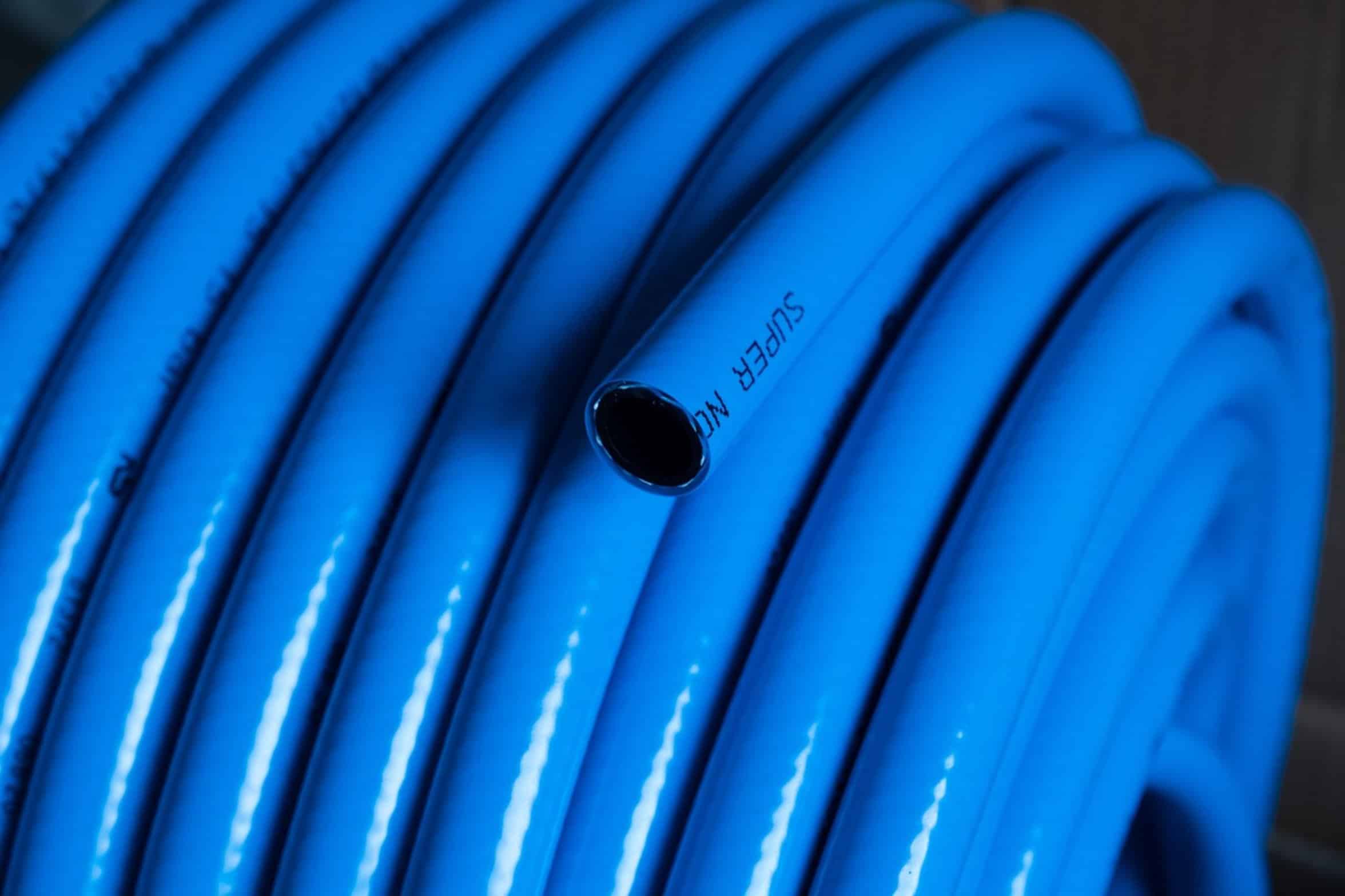
Oil will eat through standard plastic tubes. In industrial applications, this is quite common. In those instances, you’d use nitrile, which doesn’t break down or swell from exposure to oil.
It’s also very resistant to chemicals and heat. However, it’s more pricey and heavier. There are definitely situations where it isn’t what you want.
But if your air system sprays oil mist around, then nitrile is usually the only possible choice. Know the Pressure Rating: This will keep it going and avoid disaster. All tubing types has a maximum working pressure rating expressed in PSI.
Understanding Pressure Ratings
If that pressure is exceeded, the tubing will pop and shoot all kinds of nastiness at you. So what does it mean? Check the manufacturer specs.
Standard pneumatic tubing can handle much more then the normal output from most compressors (90 to 120 PSI). Specialized uses may require higher pressure. Knowing the max keeps you safe and keeps the gear alive.
Installation and Maintenance Tips
Following good installation practices will greatly increase the longevity of your tubing. Don’t make sharp turns in your tubing, as this can cause kinking and restrict airflow through the inner diameter. Use correct fittings that seal properly but do not crush the tubing walls.
An overtightened fitting will deform the tubing over time, whereas a loose fitting makes noise and wastes air. It’s also smart to periodically check for wear and tear. Any cracks or scratches mean it’s time for a new one before you have a potential leak.
Your tubing is one of those unseen components worth being seen. Pick the right material for your application and make sure it is the right diameter for your tools to ensure your day has as little friction as possible. Measure your lines, take stock of your conditions and give yourself the right pneumatic tubing for your tools, keeping them responsive and work flowing smoothly.
You’ll thank yourself by having consistent performance across all your tools and compressors. You will also transform each project into a smooth operation instead of a battle against physics.