Big rigs is built with pneumatic brakes: no cables and no hydraulics, just compressed air. There’s more to it than simplicity, engineering redundancy make them safer. When hydraulic line rupture on your automobile, your brakes fail completely.
Understanding How Pneumatic Brakes Operate Safely
Why Pneumatic Brakes Are Safer Than Hydraulic
On a big rig, when an air line ruptures, your brakes engages and you’re locked down. Big rigs weigh almost forty tons, which matter when you need to stop. Air pressure push components against each other, and a loss of power results in stopping power, not a loss of control.
How the Air Compressor and Storage Tanks Work
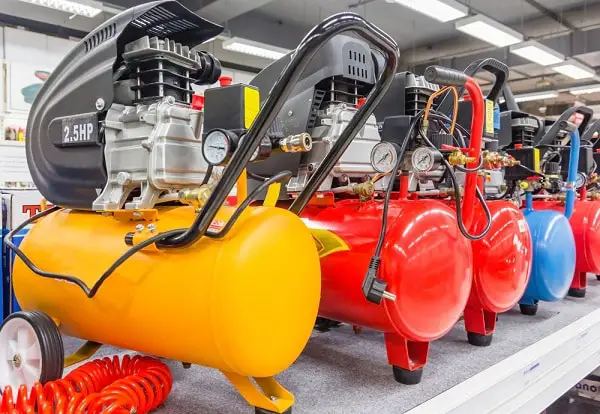
At the heart of the system is an air compressor powered by the truck’s engine. This force air into a set of storage tanks on the chassis that are similar to braking system’s battery. These tank hold enough power to allow several stops without engine power in case the truck’s engine should of stall.
A governor shuts down the compressor at a high pressure point and restarts it as needed once pressure diminish. That process sustains constant pressurization from 100-120 pounds per square inch, keeping a continuous reserve for worry-free use. So what happens when you push on your brake pedal?
The Mechanics of Applying the Brakes
You don’t push on the brake pads that comes into contact with your wheels. Rather, when you push your brake pedal it opens valve and compressed air is released from the tanks through lines to brake chambers located at each of the wheel. Inside these chamber is a diaphragm that presses against a rod that’s pushed outward as it fills with air.
That in turn drive the slack adjuster forward, which force the brake shoes onto the brake drum. Friction cause the wheel to stop. The harder you push on the brake pedal, the more air flow into the system to clamp the brakes down.
System Redundancy and Safety Features
The result of this system is that how hard you push on the pedal will directly correlate with how much force stop the truck. There is a small delay because the air has to travel from lines to the wheels, but experienced driver can easily accommodate this. The system is also progressive in design so a soft touch provides little brake and a firm press apply maximum force.
This sensitivity allow for smooth stops without skidding as well as bringing heavy vehicle to a dead halt. These brake systems also provide redundancy. Most often the front and rear brakes has their own independent circuits.
So even if there is an issue in one circuit, the other will function. The split design prevent a total loss of braking ability from a single leak. The system also have a low-pressure warning light and buzzer that notify the driver when pressure get low enough to be unsafe.
That give time to do maintenance without creating a dangerous situation. This is a Spring application. On the fail-safe side, the parking brake use spring application.
Spring-Actuated Parking Brakes Explained
Inside of the rear brake chambers are powerful springs that constantly attempt to push the brake shoes out. Air pressure compresses those springs and holds the brakes in a released position when there is air pressure. When you apply the parking brake, you release the air so that the springs pull the shoe back to lock wheels.
That is why the parking brake will hold your truck still regardless of if the whole air system fails. The system need to be maintained as well. When the air gets compressed, it hold moisture from the air, which then condenses on the walls of tanks.
Daily Maintenance and Moisture Removal
That moisture will eventualy corrode the components and/or freeze up in cold weather. To keep the air tank free of accumulated moisture and oils, drivers should of empty their air tanks every day. It’s the single most important maintenance process to ensure a reliable system and avoid mechanical breakdowns.
Modern Electronics and Anti-Lock Systems
Trucks today employ a lot of electronics to help with pneumatic system. Just like antilock braking systems in cars, they’ll control how much air go to each wheel and will sense if brakes are applied too hard, keeping them from locking up. But air is still pushing against the diaphragm to cause the friction.
Air brake systems haven’t changed fundamentally in decades; only the technology around it has improved to make it safer. It’s built with the assumption that something can go wrong, and it’s intended to stop the truck anywy.