For industrial maintenance projects or serious rust-removal work, a pneumatic needle scaler are your friend. It does its work using kinetic energy to remove rust. For most DIY applications, we’re stuck with the old standby of sandpaper or a wire brush, which do little more than scratch the surface.
What’s left behind corrodes in small spaces, and when paint chips off, the rust comes with it. A needle scaler will get job done, but won’t look good doing it… And neither will you, as it’s neither quiet nor pretty.
How to Remove Rust with Needle Scalers
How Pneumatic Needle Scalers Work
High frequency impact shakes rust free. The needles follows the contour and are excellent at texturing surfaces or cleaning welds. A cluster of hardened steel needles moves up and down as compressed air drive it.
It hits the metal thousands of times per minute. It chips off the oxide layer without taking much of base metal. This is better then grinding wheels that will take good metal off in the process.
Choosing the Right Air Compressor
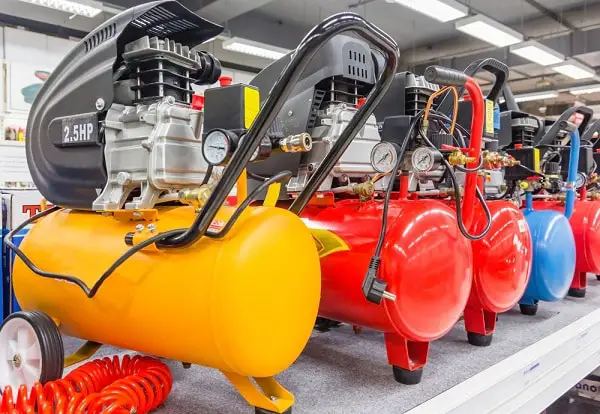
The engine driving this operation are your air compressor. Volume (cubic feet per minute, or CFM) is more important than pressure (measured in pounds per square inch, or PSI). While many homeowner compressors delivers enough PSI, they often don’t offer enough CFM.
Using a small compressor means waiting while it refills its tank. Get one big compressor, such as a large reciprocating model or a rotary screw compressor. At working pressure, match or exceed the CFM rating of the tool.
Selecting the Correct Needle Count
Insufficient airflow cause loss of power; the tool stall. So how do you know what to get? Aggressiveness come down to the number of needles.
Lightweight scales has five needles and are ideal for working around things that shouldn’t be damaged such as engine heads. Those is precise but slow on big areas. Heavier models has 12 or more needles, and these are great on structural steel.
These need more power from your air source, too. Speed win out over precision with this scale. What’s the worst part?
Safety Precautions and Health Hazards
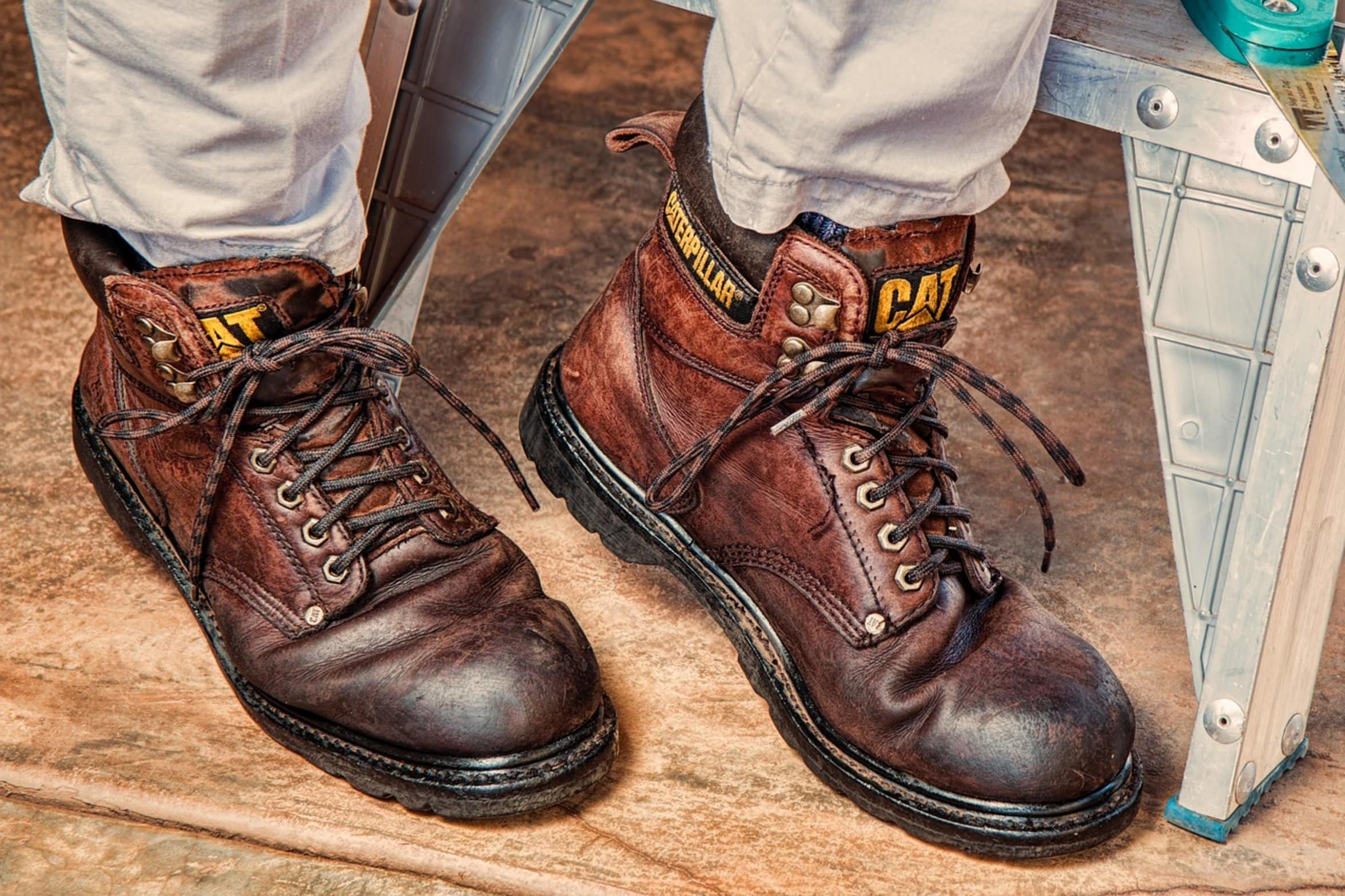
It is the noise. That pneumatic needle scaler sound just like a jackhammer. Enough so that you need hearing protection at all times.
You will feel it in your hands and the handle. So taking frequent breaks are essential or you’ll tire out after a while. Using anti-vibration gloves help some, but it does tax the body.
Ideal Applications for Needle Scalers
Although noisy, there’s no better tool for some applications. Paint prep is most frequently encountered. For new steel, the needle scaler remove mill scale.
For stored parts, it removes flash rust. And for all types of metal, it make a profile for newly applied paint to stick to. The scaler is great for cleaning up welds as well.
Rather than grinding out a weld bead (which may cause heat damage), the scaler chip off the weld spatter and slag. It leaves the weld intact but ready for finish work. Chemical rust removers is inferior to a needle scaler.
Chemicals generate hazardous fumes, take time to work, and require proper disposal. They may even have some residue which will prevent coatings from sticking. A needle scaler are instant.
You witness the rust falling off. For smaller projects it’s superior to sandblasting. Sandblasting create dust in the air, requiring containment and clean up.
A needle scaler produce less dust, is mobile and has no containment requirements. The initial investment for furnitures isn’t high. A decent pneumatic needle scaler cost significantly less than a sandblaster setup.
Maintenance and Long-Term Care
Needles do gets replaced though. They will dull and break off. Keep spares on hand.
It’s not complicated. Keep it clean, keep the air line free from moisture, and lube your tool. An inline filter regulator lubricator will provides clean air.
Internal corrosion can be caused by moisture. This is a tool with a very specific purpose. I don’t think it’s for everybody.
For instance, if you have the occasional piece of surface rust to knock off, perhaps a wire wheel would of do the trick. On the other hand, if you clean welds or work on metal restoration projects on a regular basis, this tool is essential. It occupies the middle ground between heavy machinery and hand tools.
You achieve industrial results with no large footprint. Provided you have the appropriate air compressor, this is a controlled process that removes rust while leaving behind clean metal.