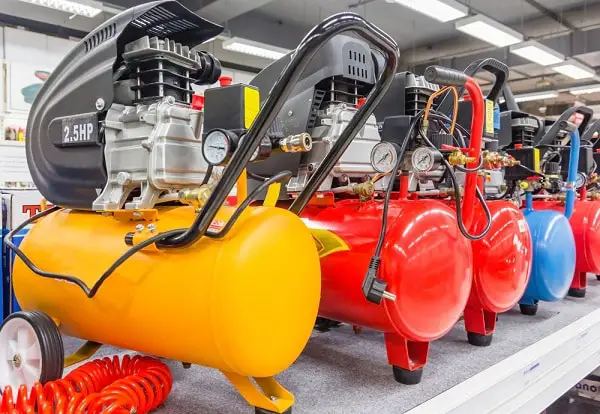
Two pads sit on shelf in front of you in hardware store. One says orbital; one says DA. Which will you choose?
Will you use this to prepare car door or those kitchen cabinets? And will you have enough air to get the job done? That’s the question: not so much what sander you purchase, but how much power your compressor provide to run it.
People tend to think all air tools is created equal; they aren’t. Air tools require widely varying amount of air to operate effectiveley. Pay attention to their CFM requirements.
Otherwise, you’ll either buy a compressor that’s too big for your workshop, or one that can’t supply enough air for the tool. A standard orbital sander isn’t just a different sanding pattern from dual action sander; it’s also about airflow to maintain that pattern consistent and smoothly. This is a breakdown of just how much air each tool require.
Understanding what your tools require from an air system help eliminate frustration and save you money. A high speed sander won’t operate on a small pancake compressor, but an industrial sized monster isn’t required for a weekend project either. The space in between is where projects dies.
Comparing Air Sander CFM Needs
Choosing Between Orbital and DA Sanders
Finishing work is done with a workhorse called a dual action sander. What’s that? It spin the pad and at the same time moves it in a small orbit.
This means there are no swirl marks, and you end up with surface ready for clear coat or paint. But because the pad is now doing two things it take more out of the motor. And a harder-working motor wants more air, which means it can keeps on spinning.
Dual Action Sander Air Requirements
At minimum, most normal four inch DA sanders needs around 2.5-3.5 CFM at 90 PSI. That’s a decent starting place for most cabinet work. But they are demanding of a small compressor.
An eight gallon pancake may have trouble keeping up with this demand. You’ll notice your compressor cycling on and off quickly and the sander slow down as it nears empty in the tank. This uneven sanding pressure will cause you to dig into wood or miss a spot.
The trick is to match the tool to a compressor capable of sustaining the flow and not simply reaching the highest pressure.
Standard Orbital Sander Efficiency
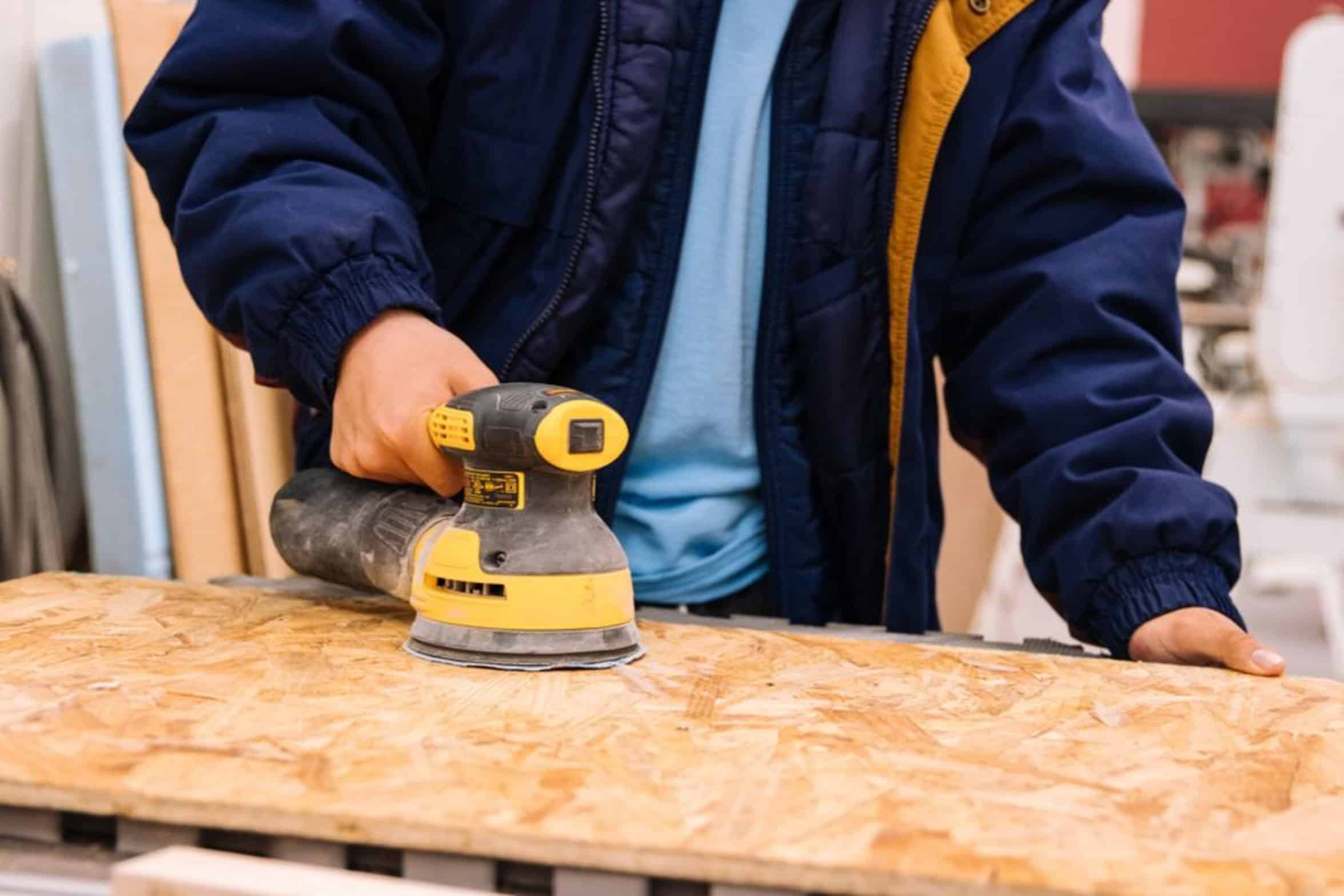
Mechanically, standard orbital sanders are easier. They don’t spin and simply oscillate the pad in a small elliptical motion.
For removal of light varnish or final smoothing, this is a better approach. It’s also less aggressive. These tools use less air because they have a less complex motion.
Typicaly you’re looking at needing between 1.5 to 2.5 CFM. That’s a lot more friendly to quiet smaller compressors. For the hobbyist it is a big plus in terms of efficiency.
With an orbital sander you don’t require a lot of firepower if you’re touching up some furniture trim or maybe just sanding down some cabinets. Often a small thirty gallon compressor will handle an orbital sander with no problem at all. It keeps a constant pressure and the tool run well too.
The pressure doesn’t decrease during a pass, which results in a smoother finish. This system is also forgiving for people who are still learning how to judge pressure.
High Speed Dual Action Sanders
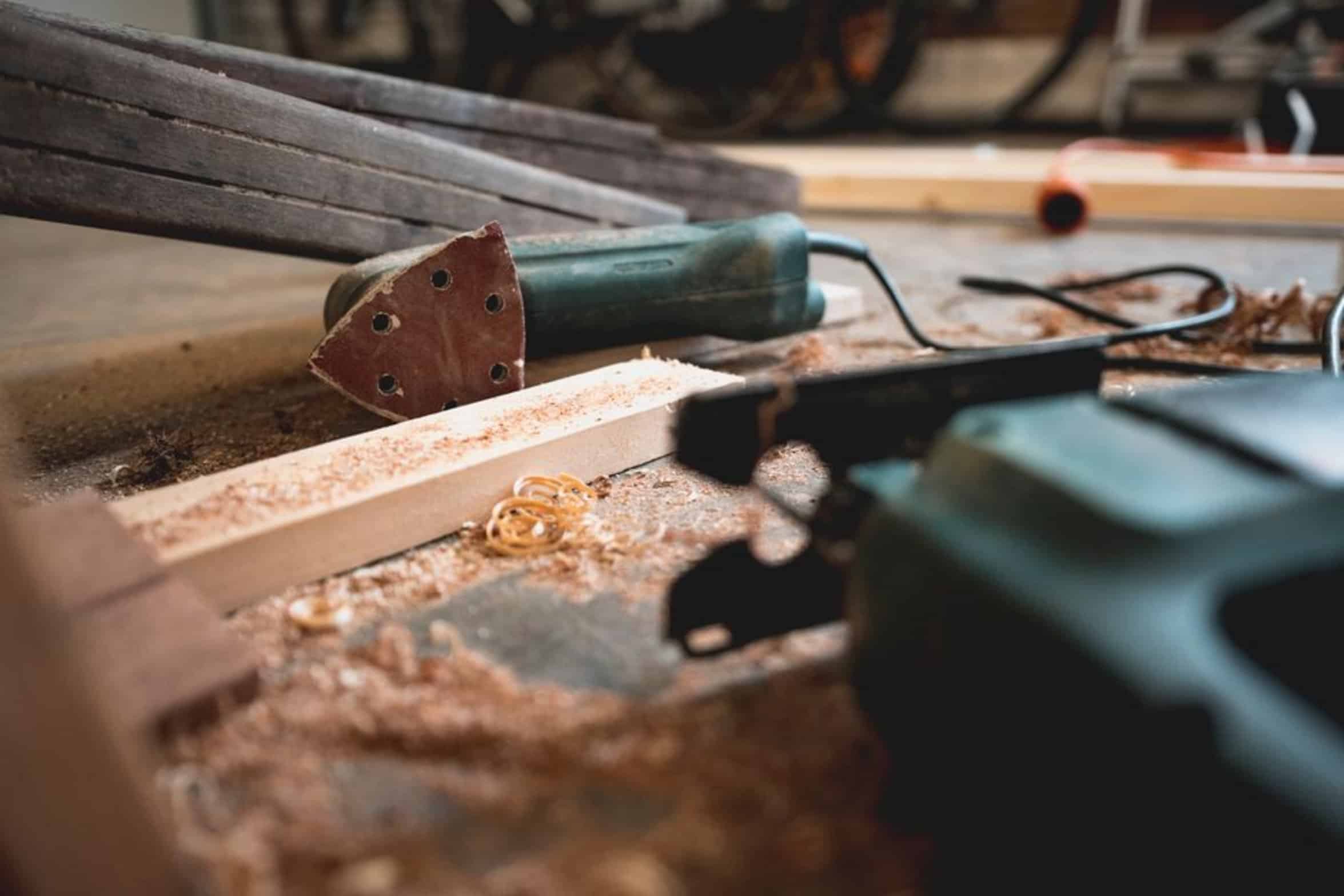
When you get into high speed dual action sanders you are changing the game altogether.
The idea here is they are meant to be used for heavy stock removal and paint removal. It spin the pad at a much higher RPM. You will remove material quicker which is great but you pay dearly for that speed in terms of air consumption.
These tools requires five to seven CFM or even more. This means you’re not going to use a standard household compressor as it will not keep up with their thirst. You are looking at a dedicated paint removal compressor or a big fifty gallon tank.
Reading Compressor CFM Ratings Correctly
Compressor boxes have confusing ratings, such as CFM. They advertise max CFM at no load or low RPMs. But CFM must be rated at operating PSI, typicaly 90 PSI.
You’ll see this in the spec sheet, which is called free air delivery. Guys get burned here when there’s a huge difference in advertised vs actual output. For example, if they say their compressor is four CFM, but it outputs only two at 90 PSI, then your three CFM DA sander won’t run right.
This matters and will save you some headaches. The size of the hose matter as well. A thin quarter inch hose will starve even a modest sander.
Matching Hose Size to Your Sander
For longer runs, get a three eighth inch hose if you can. This will maintain air pressure up to the tool and make a noticeable difference in consistency. You’ll notice that the tool respond better with your hand pressure.
Length matters too. The longer the hose, the more the air pressure drop. Bottom line: Plan your air system after you select the right sander for the task.
Don’t assume that your old compressor is up to the task of powering a powerful sander (it won’t). You should of matched your tool’s CFM requirements to the actual output of your compressor. This means your project gets finished on time, the sanding goes smoothly, and your finish looks good.