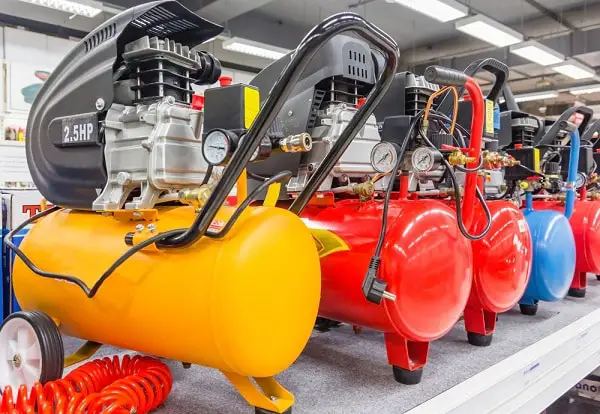
Sure, pneumatic jackhammers are noisy. But they’re not the issue. The issue happen when you hit a pause on the hammering action.
That’s because it’s waiting for air and there isn’t any coming. If you’ve done demolition work, this is a familiar source of frustration. The tool are fine.
The operator operates. Air supply fail. The mistake is to simply buy the first compressor you can afford.
Compressed air is a consumable. A jackhammer use a LOT of compressed air. It require constant, steady pressure in high volume.
Running out of compressed air while digging mean fighting your own tools. Match the tool to what your source will feed it without choking. So you don’t get this problem.
Essential Air Requirements for Pneumatic Jackhammers
Understanding Air Demand
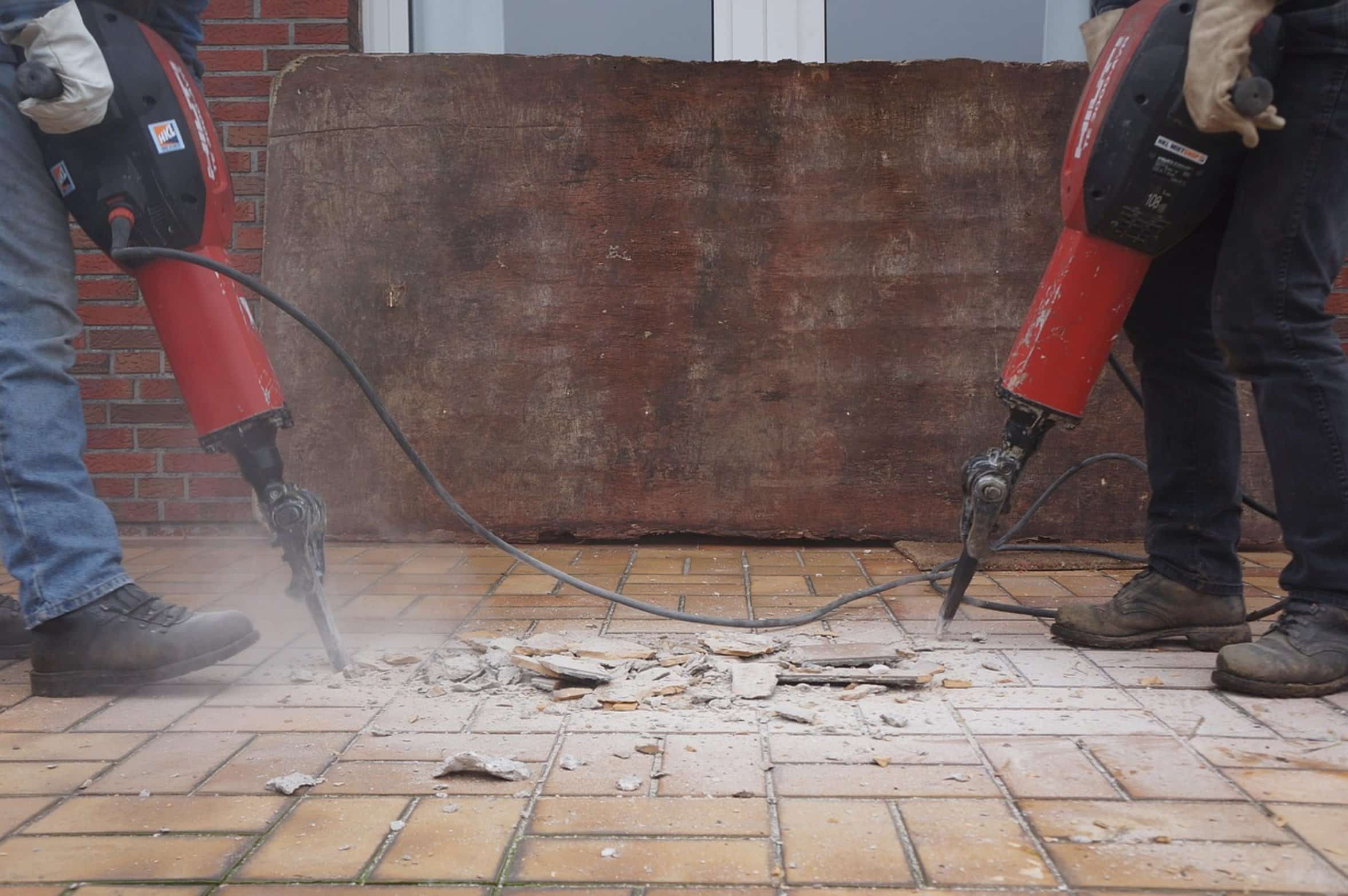
That’s why you know about CFM, which is acronym for cubic feet per minute. CFM are a measure of how much air the compressor can puts out. Obviously an impact wrench require less CFM then a jackhammer does.
Maybe five to ten CFM for handheld hammer at 90 PSI. Bigger hammers may requires even higher CFM. Get it from the spec sheet.
CFM Ratings and Safety Buffers
Make sure your tool get its CFM in real world. Compressors is rated by manufacturers according to their piston displacement, or in other words, the maximum amount of air they should of be able to move theoreticaly. No consideration are given to heat or leakage.
Actual output is less then what is stated on box. Output from independent tests indicates that it’s as much as 30-50% less. What you see is ten CFM on the box.
Think you got it made? Tool fires up and runs ten minutes, tank goes dry. Pressure fall off.
Hammer slows down. So you purchase a larger-rated CFM compressor then what your tools need. Why?
Because it’s insurance. That’s your insurance against gap between marketing and reality. For example, if your jackhammer demand eight CFM, find a compressor that have an output of 12 or 15 CFM.
It give you a safety buffer so the tool gets plenty of air. And because it refills quicker too. Quicker fill time equal fewer hours down.
Tank Size Versus Pump Capacity
Size of tank matter. Compressed air is stored in a tank. That allow the tool to be used on air while the pump are not running.
This is good when you’re chipping away for seconds. So maybe if all you do is chip at a foundation for seconds then a twenty-gallon tank would suffice. For continuous use the tank do nothing but delay.
The tank buy you 30 seconds of air. Then what? The pump can’t fill the tank as fast as you are using it up and that mean the pressure go down.
For long-term operation, the pump’s CFM rating matter more than the tank’s gallon size. There’s also hose size to consider. Air meet resistance when moving through a pipe.
Hose Diameter and Friction Loss
Restriction occur in a small hose. If you use a skinny quarter-inch hose on your jackhammer, the pressure decrease. Before the air get to the tool, the PSI decreases.
The hammer are sluggish. Upgrade to a half inch or three-quarter-inch hose. It stop friction loss.
The air come in with force it needs. Specifications matter more than brand name. Quality of construction matter.
Choosing Quality Brands
Compressors can be cheaply made so they will fail on continuous load. Valves wears out. Pump run hot.
Brands such as California Air Tools, Quincy, and Ingersoll Rand have had longstanding reputations. These brands makes their compressors in industrial lines that is built to handle heavy duty cycles. You do not need the most expensive one.
What is needed are one that runs for hour after hour without overheating. Check the duty cycle rating. This tell you how long it can run before needing to rest.
Gas Versus Electric Power Sources
The other selection involve a power source. Portable gas compressors has their advantages. You can take them to wherever you need them.
You don’t need an outlet. You do need fuel. And they makes noise and give off exhaust.
Electric compressors is cleaner. Quieter. Rely on outlets and cord length.
For home use, electric will generaly suffice. For a remote site, gas may be the only option. Either way the need for CFM stay constant.
Only the source differ. If you purchase a jackhammer, you check the air supply. You start it up.
Testing Your Air Supply

You let it run for five minutes. You look at the pressure gauge. The needle fall and never comes back.
Your compressor are inadequate. You don’t fault the hammer. You fault the air.
First, you fix the supply. Next, the tool catch up to you.