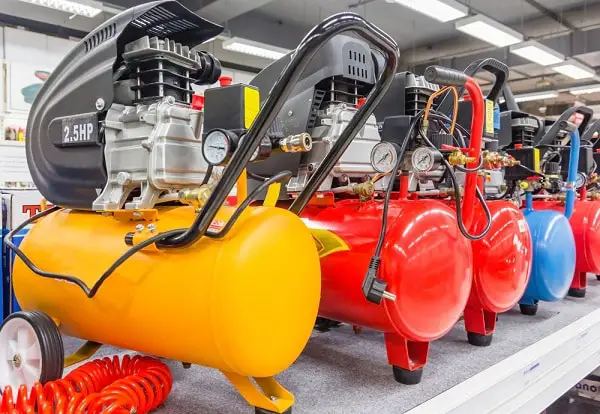
Most people see compressed air as a simple fix for cleaning off dust around a workbench, but using air incorrecty can be extremely dangerous. Air pushed too hard at you with wrong kind of gun will send particles right into your eye and skin. A simple clean up could turn into a completely avoidable injury.
Because air gun injuries in the workplace occur far too frequently, there is OSHA regulations in place to help protect workers from not only short term physical pain but also future health problems. Although subject matter may be fairly basic, the ramifications of not knowing about it can be severe. The safety aspect of this depend much more on the nozzle design than most people realize.
Air Blow Gun Types And OSHA Safety Rules
Understanding OSHA Compressed Air Regulations
Nozzles used during blowing operations must have a restricted orifice (or a tip design) that limits speed of the air to a safe level. Blowing is not allowed with a standard open nozzle. OSHA mandates an exhaust air device that prevents the air from reaching hazardous velocities.
Safe Nozzle Designs and Types
You can’t take a standard nozzle, stick a piece of tape over it and say you’re in compliance; it has to be engineered as such. People often think low pressure = safe, but its all about nozzle geometry. There is two main types of safe air blowers: adjustable nozzles and fixed orifices.
A fixed orifice gun has an internal tip with a restriction that will maintain the air speed in compliance with safe limits regardless of how high you turn up compressor. In other words, it’s a straightforward mechanical fail-safe. An adjustable nozzle let you vary your airflow pattern safely (useful for various tasks like light cleaning around delicate electronics vs. Picking out heavier junk).
Simpler and less expensive, but versatile too, is the fixed nozzle. You can’t go wrong with either one, so long as you get a safe one. “Mostly violations occurs in pressure limits.
Pressure Limits and Regulator Use
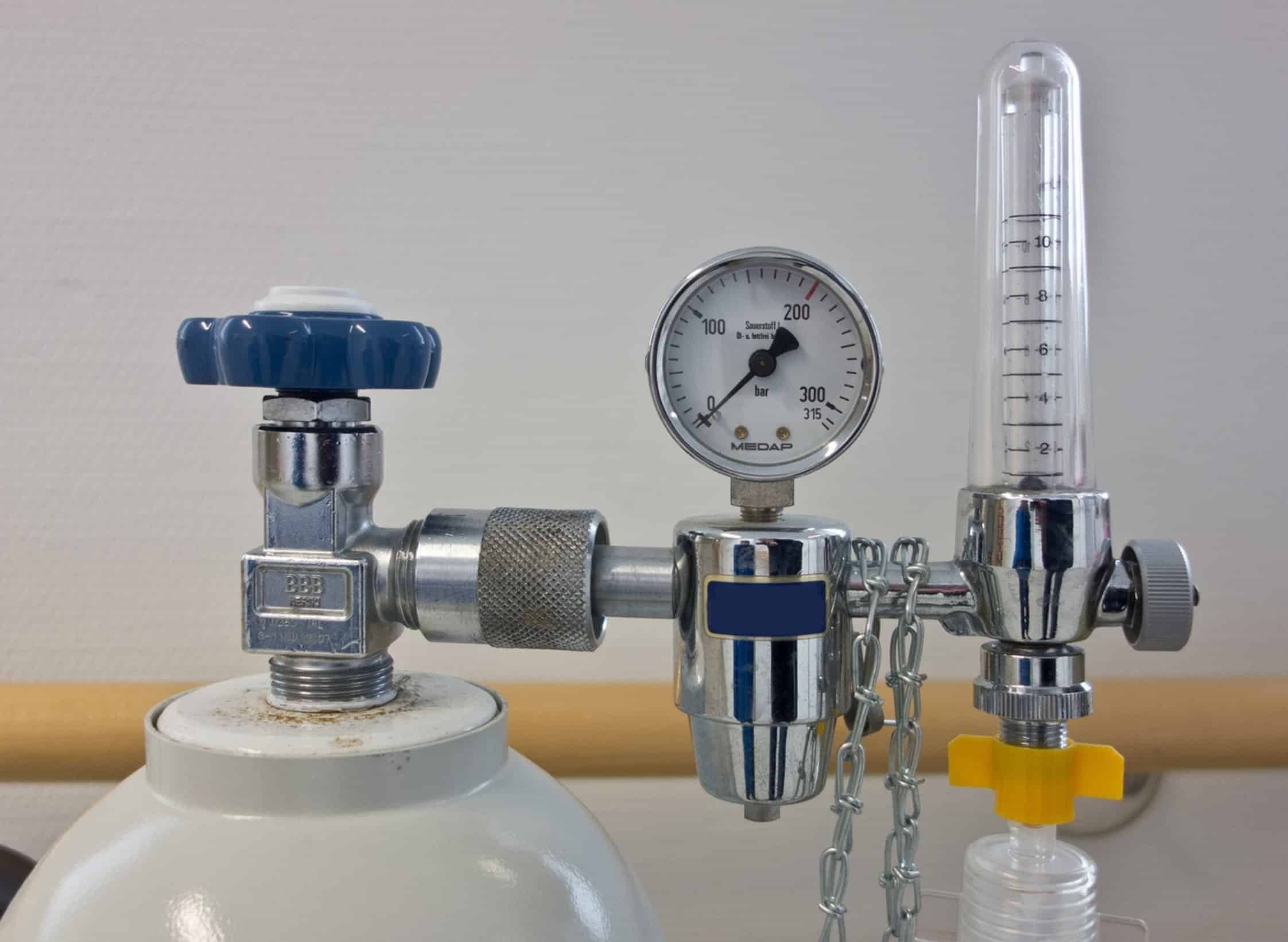
The maximum allowed pressure for blowing on the human body is set by OSHA to no more than thirty pounds per square inch. Air supplied to shops runs at ninety or one-hundred twenty PSI and you can’t blow at that full pressure when cleaning. Before air gets to the gun, you’ve got to use a regulator to drop the pressure down.
If you blow with any more pressure, you may inject particles or even air under your skin, a medical emergency, not a little cut. Check your regulator gauge; this simple step save major surgery.” When it comes to cleaning a work space, what you clear also matter. Chemicals.
Hazards of Blowing Debris
Metal shavings. Sawdust. While many people is tempted to blow all that stuff away with compressed air, OSHA guidelines advise against it unless you have no alternative.
You and others can inhale these hazards, which creates a risk. If you do resort to blowing off hazards, appropriate PPE (personal protective equipment) are required. For instance, use side-shielded safety glasses.
Required Personal Protective Equipment

You may need respiratory protection depending on the type of fumes or dust present. Bottom line: Contain, don’t disperse. A vacuum absorbs the problem, an air gun disperses it.
Inspecting and Maintaining Air Guns
But maintenance? That is more important than you think. Not only does a damaged nozzle change how the air flows, but also a cracked tip could be similar to having the nozzle open, rendering the safety restrictor useless.
Before each use inspect your air blow gun for any type of modification, damage or corrosion. Replace tool if there is anything wrong with orifice. Taping it back on with some wire wouldn’t do much good.
It takes away from whole reason for the engineering. It’s a simple choice: Replace a cheap gun or pay for a hospital visit. The last part of the equation are training.
Worker Training and Best Practices
It’s all well and good to have the proper equipment but without knowing how to operate it properly it won’t help. In most industrial environments OSHA mandates that workers receives training on operating safe and proper procedures, which specifically address the hazards of compressed air. That includes why some nozzles is prohibited and what pressure limitations are.
Five minutes spent reading the manual can save more time down the road. The more you know, the less likely something bad will happen. Keeping your space safe require the right combination of equipment and caution.
Select an air gun that follows the rules. Select the right nozzle for the job. Set the correct amount of pressure to meet the maximum allowed by law.
Always wear the correct protection. Sounds like added effort? It isn’t.
It’s the difference between a successful day and a ruined one. Air is power; don’t let it become danger. Treat it with respect.