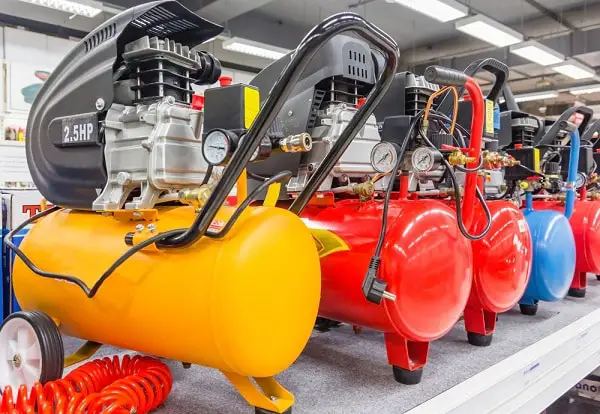
Your workshop’s compressor and air system need a tune-up so that they don’t sputter out on you midway through a project. You’re used to hearing what sounds like a jet engine inside the compressor but getting almost no pressure. More than likely the issue isn’t the machine; it’s the plumbing.
Too many do-it-yourselfers has one long hose running from the tank to an outlet somewhere. This creates a drop-off in pressure and allow moisture to accumulate. That moisture will ruin finishes and rust tool.
Build Your Workshop Air System From Scratch
Why You Need a Dedicated Air Distribution System
A dedicated air distribution system solve these issues. What was once a noisy utility becomes a dependable resource. The pipes behind the walls often separate the professional shop from the hobbyist.
You want no loss in the air going from one end of outlet to the other, and you want all the outlets to have air immediately. And then you need to keep the oil away from the water so that you don’t damage your tools. So think about it as a continuous service (like electricity) and treat shop air as such.
Planning Outlet Locations and Main Line Size
Calculate line size. Use correct material for the line. Install proper filters.
Do this correctly at the start. You will save yourself years of replacing tools and maintaining the system because it wasn’t done right. First: Plan the locations of the places you want air.
Don’t estimate. Take a tape measure, walk through your shop and mark spots that require a spray gun, an impact wrench or a nailer. Sketch it out on a piece of graph paper.
How big the main line is depend upon the layout. A common error is using 1/2 inch pipe in a two car garage. It’s too small for more than one tool.
3/4 inch pipe or even 1 inch pipe are better for most shops at home. They have sufficient capacity to sustain constant pressure if you’re running several tools. Size the main line based off the layout.
Installing Main Lines and Branch Fittings
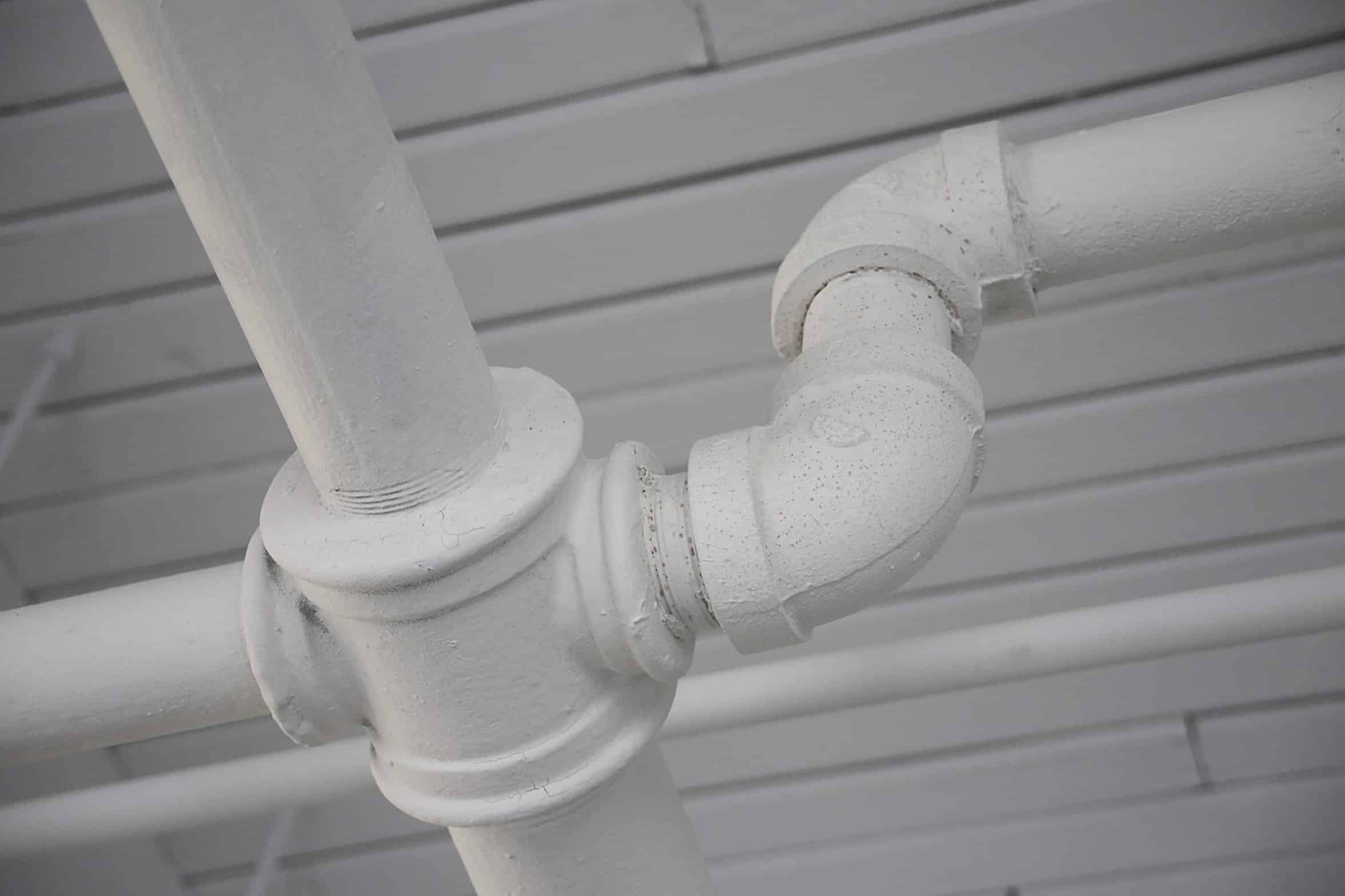
Install the main line in the ceiling or as close to the top of the wall as possible. Air is light; water is heavy. When you install the main line overhead, water will collect in the tank or filters.
Plan your main line then focus on the branch lines. This drops down to individual outlet. Here you’ll use 1/2 inch NPT fittings.
Don’t use quick connect couplers but rather the proper threaded fitting. If done right, they’re leak proof. Generously wrap the threads with PTFE tape.
Five or six wraps going in direction of the thread is ideal. Hand tighten till snug. Give it another quarter turn with a wrench.
Don’t be too rough, you can crack plastic fittings and strip metal threads. A little leak doesn’t seem like much. It drains your compressor constantly over a year.
Your compressor runs longer, wears out quicker. An efficient system is a tight system. What do I use?
Choosing the Right Pipe Material
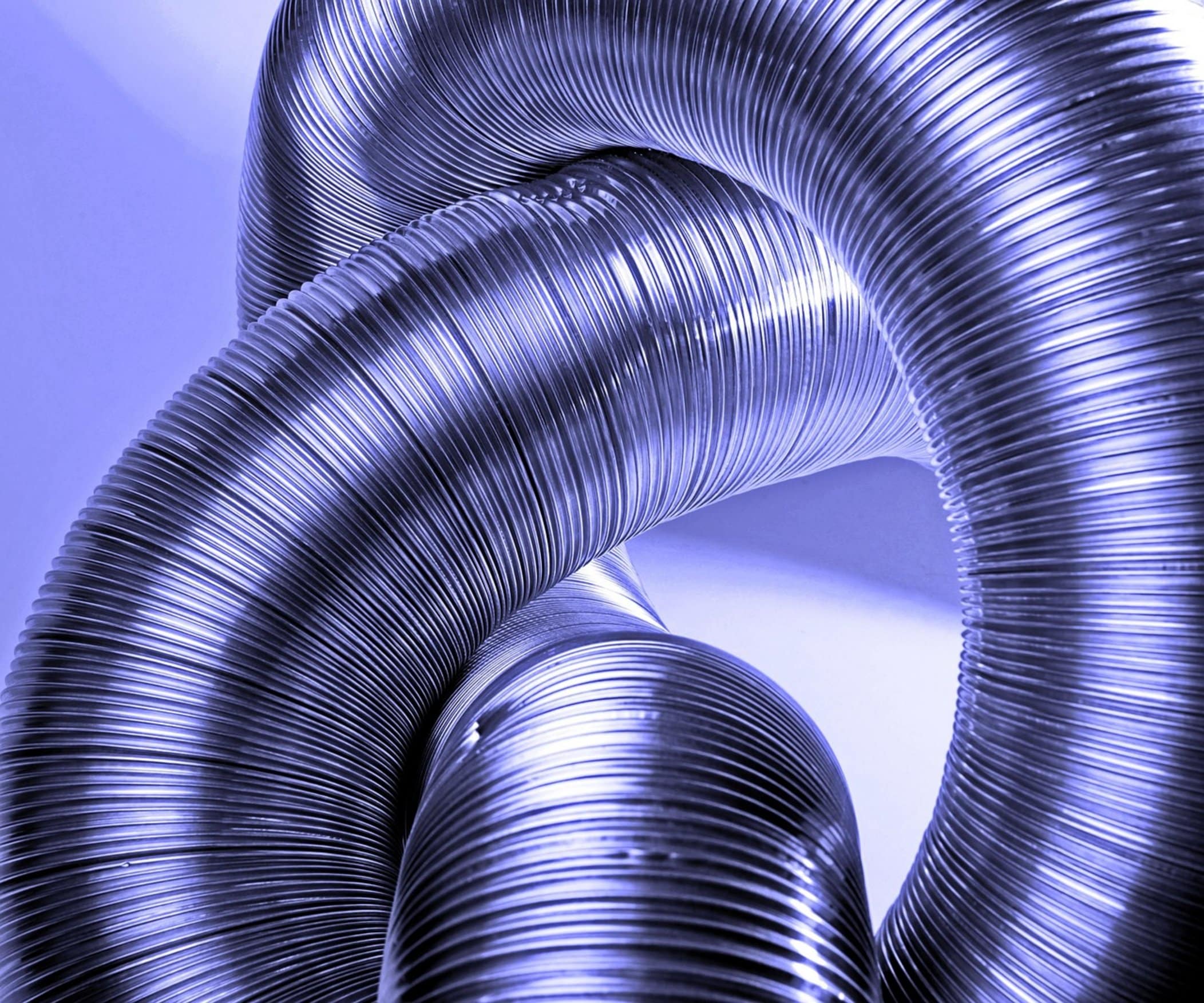
Copper is durable but expensive. It’s pricey but it lasts. Rusty steel is sturdy but no bueno.
Popular choices are special aluminum push fit systems and PVC. They install quickly, threadless (no more soldering!). They use push fit connectors that simply snap together.
The fast pace mean fewer mistake. Just make sure whatever plastic you use can handle air pressure. Regular PVC drainpipe will burst.
Get Schedule 40 or better. Consult your local code. Air shop stuff tend not to be under the same plumbing rules.
Essential Filtration and Regulators
A great system start with filtration. Ambient air entering compressors contain humidity, oil mist, and dust. Leaving this crud will ruin your tools.
Use a primary filter set & regulator close to the compressor. This remove most of the moisture. Use point of use filters at key stations such as air brakes, or before spray gun.
They’ll prolong the life of your equipment. Replace your filter elements often. Clogged filters reduces airflow.
It’s an easy maintenance task that avoids headaches. Now test it out then seal up the walls. Turn it on; pressurize the lines and hear any hisses.
Testing for Leaks and Final Maintenance
Then go around with some soapy water on each joint and look for leaks you can’t see. A bubble shows you right where it is. Leave it like this overnight.
Twenty-four hours. Dump all the traps. Tweak the main filter if there’s more than just a little water in them.
This last part is key, because it makes it last. You’ve created a utility that should of outlast all but the longest-lasting tools you own. The air will be forceful, dry and instant.
That’s what it feels like to finally work in a shop.