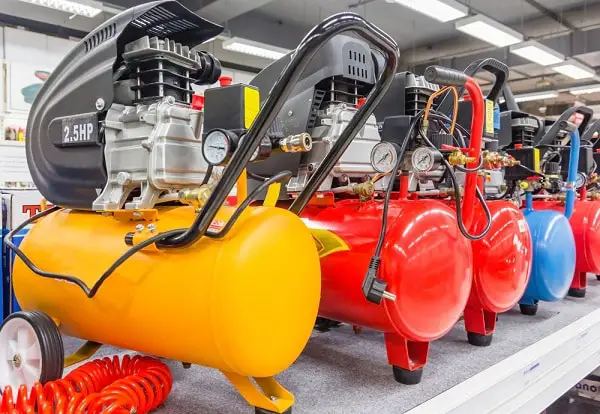
You’re frustrated because your impact driver is stalling out on you. Squeeze the trigger and it whine and tries to go but fails. Instead, it barely turn a quarter of way instead of driving screw all the way in.
You look at compressor; the pressure gauge say 90 psi. On paper, everything looks right. The problem lie in that clear plastic hose sitting on shop floor.
How To Choose The Right Air Hose Size
Why Your Impact Driver Is Stalling
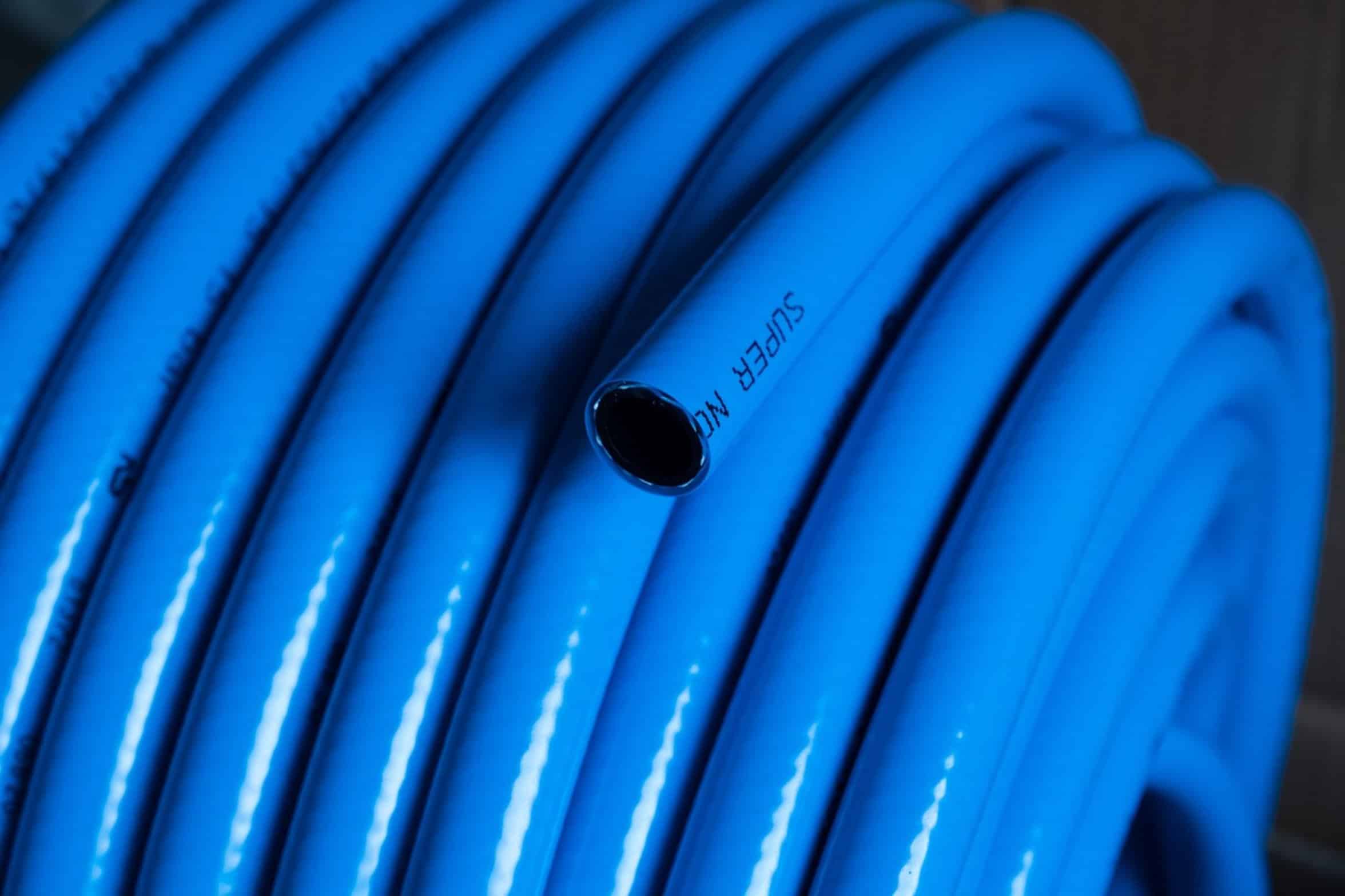
Hose Diameter Most home owners purchase their air compressor, then head to local hardware store and pick up first hose. Why? It is small, inexpensive, and typically a 1/4 inch ID hose.
If your goal is to inflate a bike tire, that’ll work. If you’re operating a Campbell Hausfeld sprayer or Senco nailer, it won’t. A hose isn’t a simple piece of tubing; it’s a restrictor.
How Hose Diameter Affects Airflow
Knowing about airflow through hose size will prevents pressure drop. Pressure isn’t the problem. Volume is the problem.
To work properly every pneumatic tool need a minimum amount of cubic feet of air per minute (CFM). Air traveling down small diameter tube experiences friction on its way to the tool. This friction manifests as a drop in pressure and a loss of volume.
The smaller the diameter of the tube, the more it resist air flow. Think about sipping a thick milkshake from a skinny straw. You can do it; you’ll just take longer.
Understanding Pressure Drop and CFM
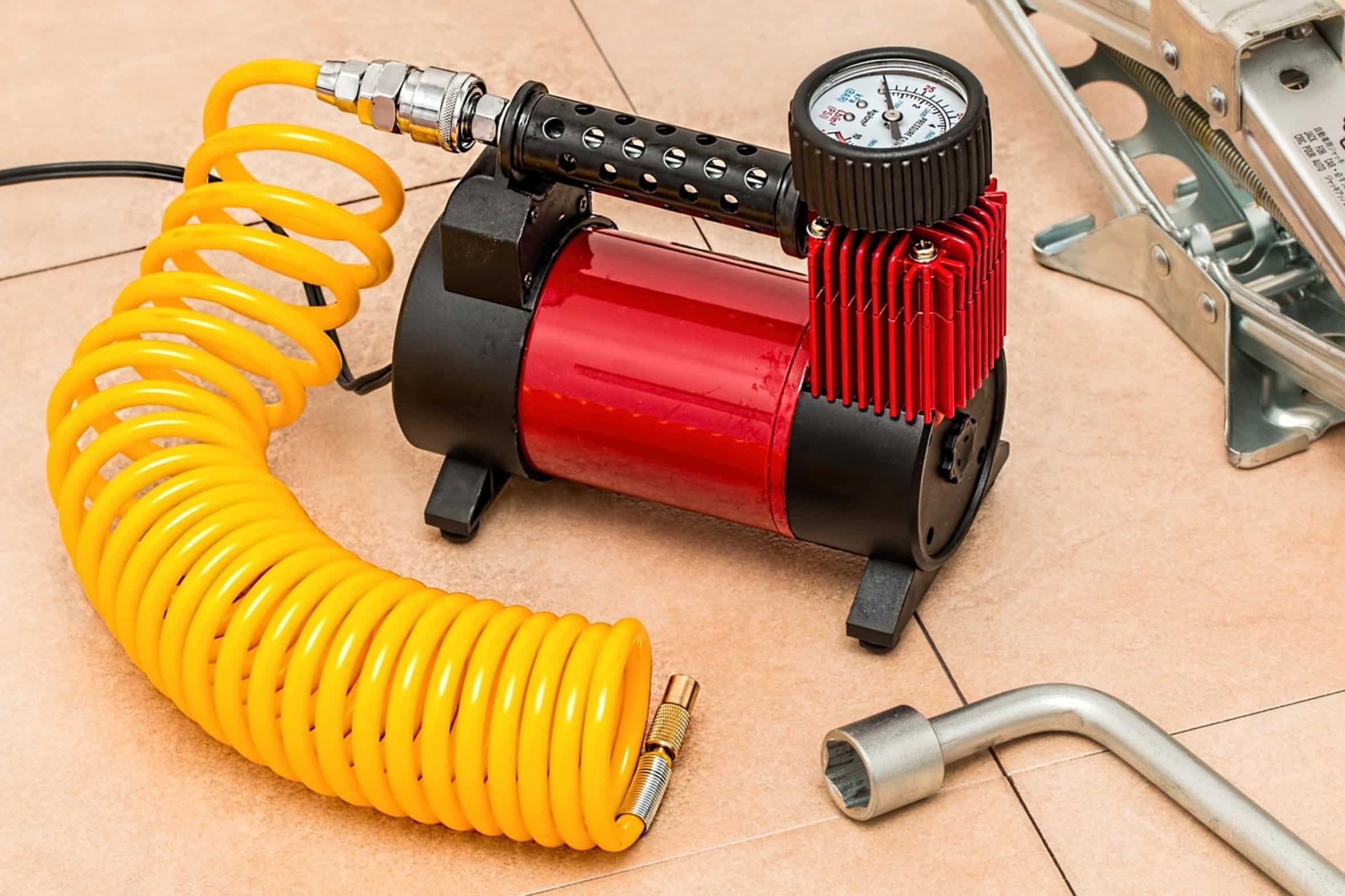
That’s lost time in your shop. That’s the math. The fourth power law explain why increasing your hose size by even a little bit will make big difference in performance.
Your airflow resistance will go down as the fourth power of your radius go up. While doubling the diameter of your hose increases the airflow capacity sixteen times, moving from a 1/4 inch hose to a 3/8 inch line are still a massive performance gain. So if you’re struggling with a high-CFM tool on your 1/4 inch hose, it’s a big change.
It changes whole system. That additional interior space let air flow along with less friction. It protects that CFM rating all the way down to the tool.
The Impact of Hose Length
The other equally important factor here is length of the hose. As its length increase it has more surface area where friction can occur. So a short hose like a 3/8 inch may still be choking off so much volume that it will starve your tool if you have to stretch it out over a big span across a large garage.
It’s often a balancing act between both length and diameter management. To keep the pressure consistent on a long run you often want to go up to bigger diameter hose. Many pros will actually pull a 3/8 inch or even 1/2 inch for their primary run from compressor to a central valve.
The run goes straight through that valve, then they’ll drop back down to a shorter piece of 1/4 inch for the actual tool connection. That give them balance between flexibility and reach. Beyond durability, hose material is important.
Choosing the Right Hose Material
Those cheap PVC hoses are prone to kinking. Kinking the hose effectively clamps it off and immediately reduces the usable inner diameter to almost nothing. The hose may never actualy kink, but stiffer hoses don’t coil well and they do form tighter turns which also interrupt smooth flow.
Better hoses are either polyurethane lines or rubber reinforced hoses. These holds shape while under tension. They last longer and can takes job site abuse.
Durable hoses from brands like Chicago Pneumatic is available for the long haul. They cost more up front, but no kinks or air leaks will kill your performance. Determining the correct set-up begins with understanding what your tool need.
Calculating Tool Air Requirements
First reference the CFM rating at the operating pressure (generally 90 psi). If using several tools, add all their demands together. Next, review compressor’s output.
If there is a significant difference between supply and demand, no hose will make a difference. However, if the compressor can keeps up, then the hose becomes the last limit. For most garage shops, a 3/8 inch hose are the sweet spot.
It carries a lot of air but without the bulkiness of a 1/2 inch line. It also coil nicely and fits into most tool bag. Next time your tool lacks some oomph.
Solving Airflow Issues Quickly
Before you accuse compressor, check the line. There’s no lack of air. Maybe it’s just not going where it should of go very well.
One quick solution at little expense is to swap in a wider hose. Now lost torque is back. You are no longer fighting the system.
And most importantly, the air flows freely again and the work gets done. Sometimes that small adjustment feel like you’ve got a whole new tool.