
A roll off PVC pipe from plumbing section might seem like an excellent idea for DIY air lines, it’s cheap, available in fittings you already have, and appears sturdy enough. If you use it for compressed air, it seems like a fine plan…until it isn’t. And when it isn’t, it won’t be quietly.
It will be loud with pieces of plastic raining down. Don’t let that happen. Air under pressure isn’t simply a fluid; it’s stored energy, waiting for the weakest link to give way so it can do what it does best: get out.
What tubing you use for your air lines will determine how efficient… And safe, your whole shop is. Anything less than robust will waste energy and ruin your finished work…and put anyone around you at risk.
That’s no good; we’re moving air here, not transforming your garage into a danger zone. PVC’s chemical makeup mean that it becomes brittle with age. This is not a hypothetical problem; this is a well-documented failure mechanism and one of the reasons that PVC are specifically prohibited from use in compressed air systems by the National Fire Protection Association.
Comparing Safe Pipe Options For Compressed Air
The Danger of Using PVC for Air Lines
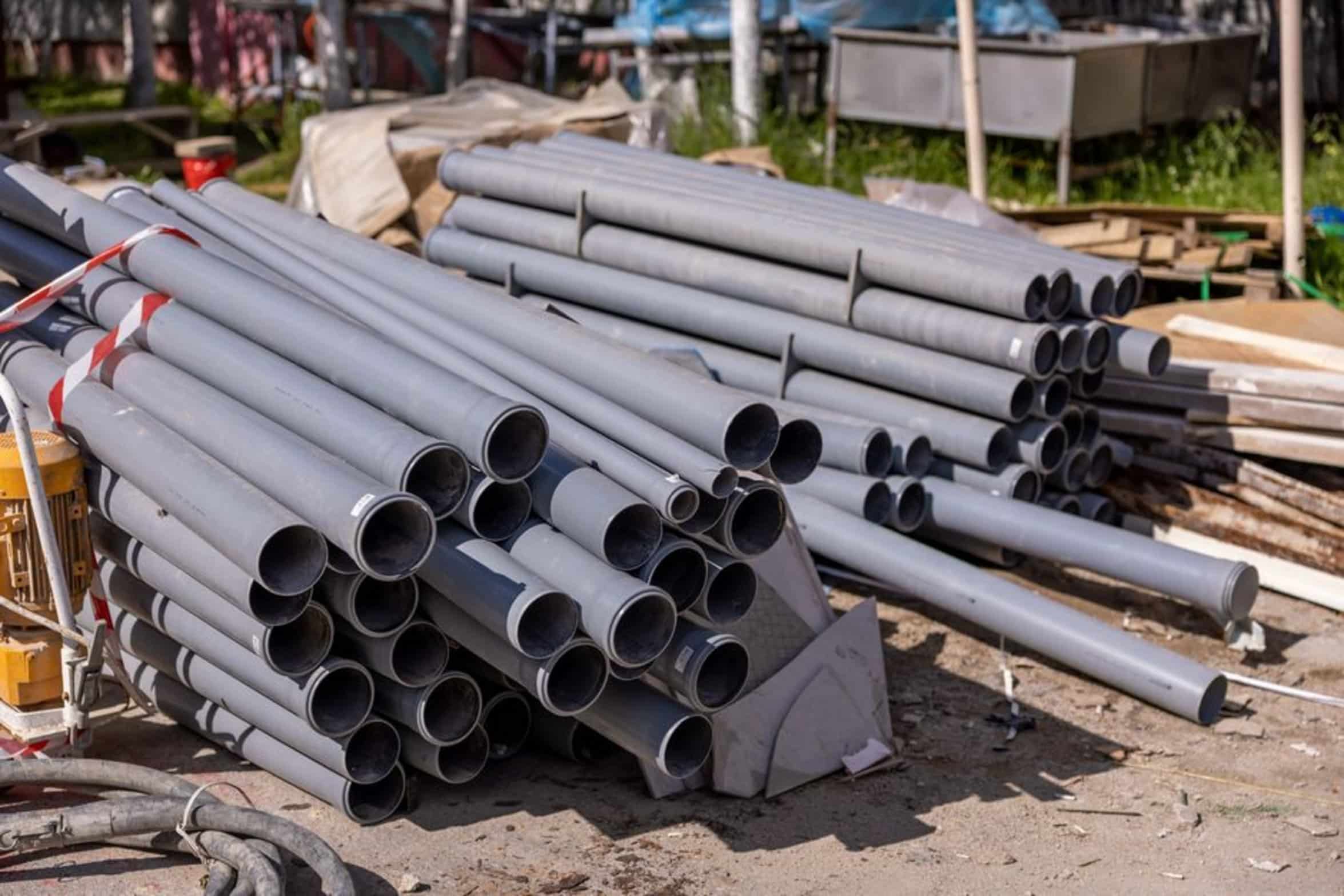
The polymer chain will degrade if exposed to air within the piping system. If a section of PVC fails under pressure, it doesn’t just pop at the joint: it explodes, sending shrapnel flying at high speed. Serious bodily harm (or worse) can occur as a result.
There’s no dollar value on human life, so there’s no dollar value worth making this compromise. For decades galvanized steel was the traditional standard due to its durability and ability to handle pressure very well. Unfortunatly, its downfall is how it’s installed.
Galvanized Steel Installation Challenges
It must be cut precisely and thread into joints. Any error results in a difficult leak to fix. Because it’s rigid, galvanized steel are difficult to route around corners without careful planning and lots of fittings.
It gets the job done but requires a certain level of craftsmanship that many hobbyists don’t like nor is good at doing. Many artisans love this in-between solution: Copper pipe. It’s more malleable then steel, yet rigid enough to be shaped with a tube bender, soldered at joints, etc. And of course copper doesn’t corrode over time.
Copper Pipe Pros and Cons
But it can get dented if hit hard with a heavy tool (use soft copper), and it adds up fast on your bill. Harder drawn copper is harder to rout, but it is stronger. If you have the budget and know-how, it is a good bet.
However, it is not the most efficient solution for elaborate system. For pneumatics, you want plastic tubing that’s flexible enough to snake around corners and through a tight space with minimal fittings. The less fittings you has, the fewer opportunities there are for leakage.
Flexible Plastic Tubing Benefits
And leaking is the silent killer when it comes to compressor efficiency. Because the tubing have a smooth interior that reduces pressure drop and turbulence, you’re getting the air to your tools in full form, giving you better tool performance. Generic industrial tubing and brands like Parker does an exceptional job here.
Another high-end choice is stainless steel braided hose. This stuff looks nice, is extremely durable, and you can drive your cart over it. It has no kinking issue whatsoever.
Stainless Steel Braided Hose Options
But again, this is very expensive. Again, use on short runs for when looks are important, and/or extreme flexibility is needed. Long distribution lines makes this too costly per foot.
Best Tubing Choice for Your Shop
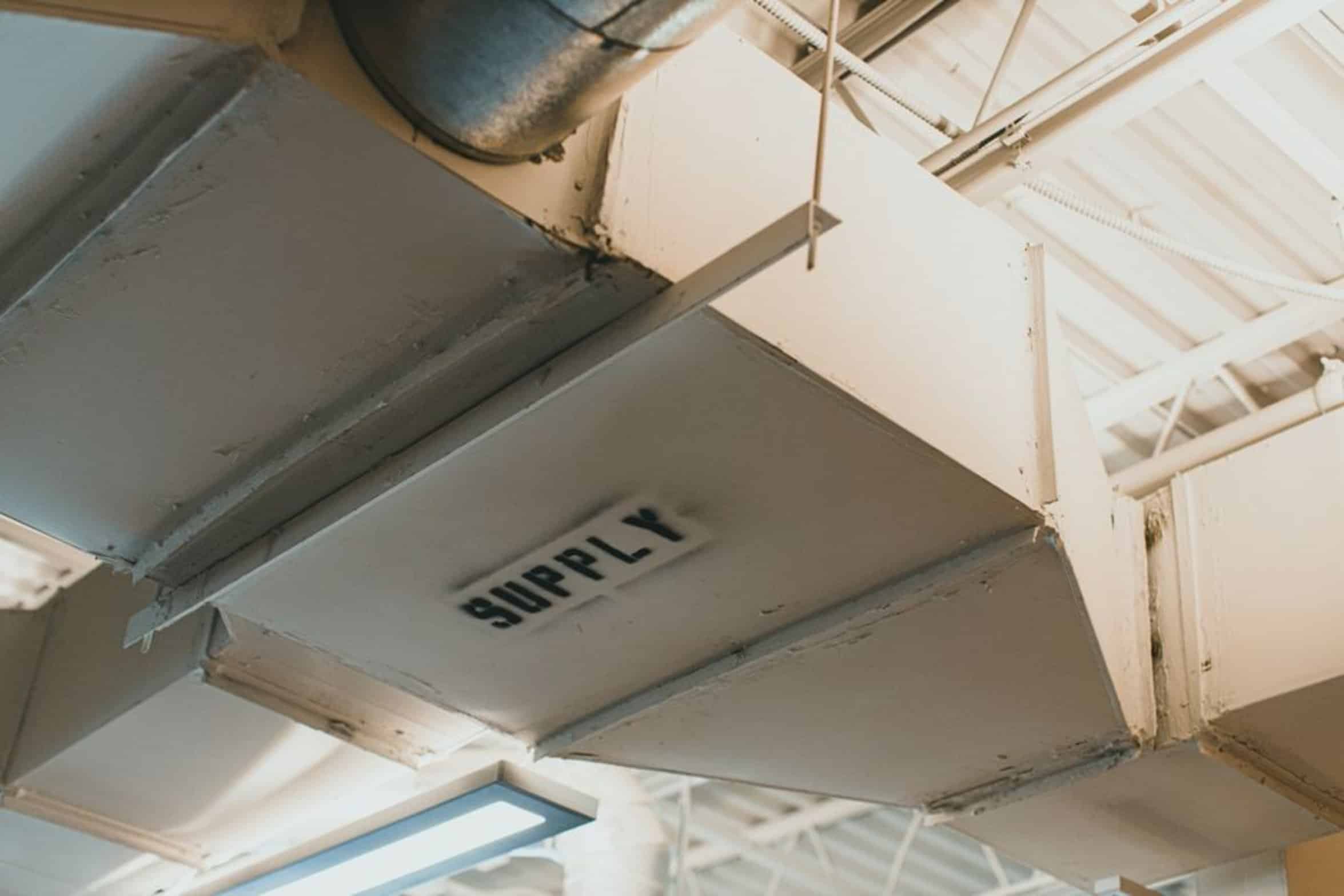
So what’s best? Well, it depends on your particular situation. Generally speaking, flexible polyethylene tubing perform better, is easier to install, and costs less for most workshops.
You’ll avoid the hassle of threading steel pipe and the danger of a PVC explosion. Instead, you can just secure it with basic clamps and route it cleanly through your shop. Without constant leaks to fight, your compressor will run cooler and your tools will perform consistently.
A good air system is not only safe to use but also reliable, which provides peace of mind with each trigger pull. Don’t skimp on your piping material, a low-cost roll of plastic in the corner is a trap. You should of spent your money on the right tubing, and your air tools, wallet and peace of mind will thank you for the upgrade.
Create a system that lasts, not one that barely holds together until it falls apart.