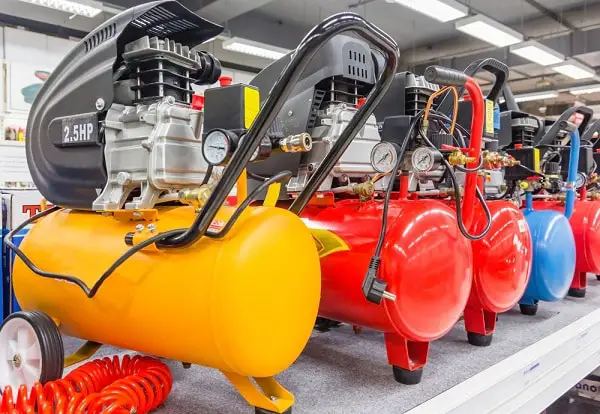
There you are in the aisle with a cartload of tool, and there’s a spool of hose that can powers your nail gun, fill your tires, and last through the summer heat. It seems like an easy buy: You just grab it and go. But PVC versus rubber versus hybrid make all the difference between a sputtering air tool and one that sings.
Does it freeze on cold mornings? Will it kink under pressure? Crack if drug across rough concrete?
Why does the material matter? Because the size doesn’t. But most of us build with the hose as an afterthought.
Pull off shelf what’s on sale. Cross our fingers, and hope it all works out. And guess what?
Later, you’ll be frustrated when that kinked hose mean nothing gets done. Or you have a busted fitting; and now you’ve got a mess. The right hose for your workflow will save your equipment and your money.
And it helps keep your projects rolling smoothly without pause. For decades, the industry has used rubber hoses and for good reason. Rubber handles extreme temperatures well, not getting soft or brittle.
Rubber PVC and Hybrid Air Hose Comparison
The Importance of Choosing the Right Hose Material
Durability and Performance of Rubber Hoses
Whether you work in the direct sun or in a cold garage, rubber hold up. It’s tough enough to be dragged on an abrasive surface without tearing. It also resists both oil and ozone exposure better then most plastics.
Because of this longevity, it’s a smart investment if you work it hard every day. Weight and flexibility are the downers with rubber. Because they’re so heavy, these hoses is a pain to move.
If you drop one from high up or coil it too tightly, there’s a good chance it’ll kink. The rigidity can blocks air flow and limit how much power gets to your tool. Durability come at a higher price tag, typically double that of other less expensive options.
To get more durability, you have to accepts extra weight and a higher cost. On the other hand, you have PVC hoses. These thing are super-cheap, super-flexible, lightweight and come on a coiled 100′ spool that costs much less than rubber.
Cost-Effective Flexibility of PVC Hoses
That’s great if you need to temporary rig up a hose to do something or just want something for light-duty task around the house. PVC is good enough for the occasional home job, like blowing up your bike tires or using it to run a nail gun for a few hours here and there. PVC coils well and lays flat; stores well without any tangling.
But PVC also has its limitations. When stressed it cracks; it gets brittle and splits in colder temperatures. Over time it absorb water that can either rust your compressor or freeze inside your line.
And dragging the PVC hose around will eventually tear holes because of its low tensile strength. For tough conditions on a job site, PVC just doesn’t have what it takes. Expect to baby your hoses?
PVC won’t make you happy. The gap is filled with hybrid hoses which are designed with a combination of synthetic fibers and rubber. Typically, you see brands such as Husky or AirKing selling them as a middle ground.
Balancing Strength and Weight with Hybrid Hoses
That means they feel like rubber but don’t weigh as much. The strength come from the braided synthetic layers instead of being weighed down with solid rubber. So you have greater flexibility but still reasonable durability.
You end up with a hose that doesn’t kink as easy as pure rubber and lasts longer than simple PVC. Most contractors bounce from job to job. For them, the hybrid approach has worked well.
It’s a nice balance between performance and cost. It won’t be quite as durable as pure rubber, but it is better then PVC in harsher environments. So, for day-to-day work, it’s the safe option.
It is not too heavy like rubber or fragile like plastic. It is a good compromise for the moddern workshop. What kind of hose do you need?
Selecting the Best Hose for Your Workflow
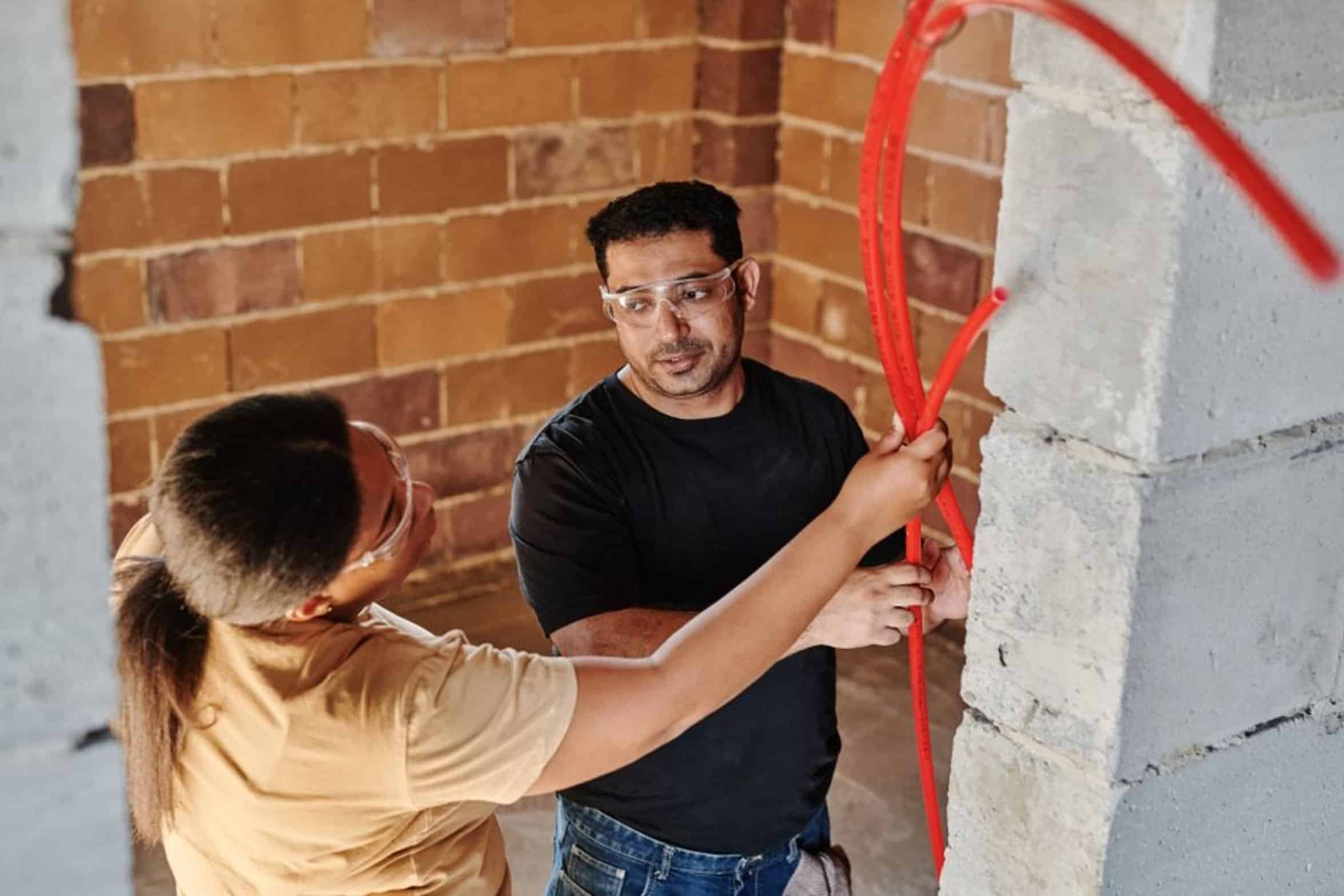
That’s where it gets personal. Rubber if you drag ’em around all day on concrete. PVC if you want a lightweight hose occasionally.
Most pros find that the hybrids are the happy medium. You should of consider the conditions, how often it is used, and what tools you are running through it. A quality hose prevents restriction so air flows freely.
It also protects your compressor, which in turn allows your tools to work as they should. Choose carefully and your next job will go more smoothy.