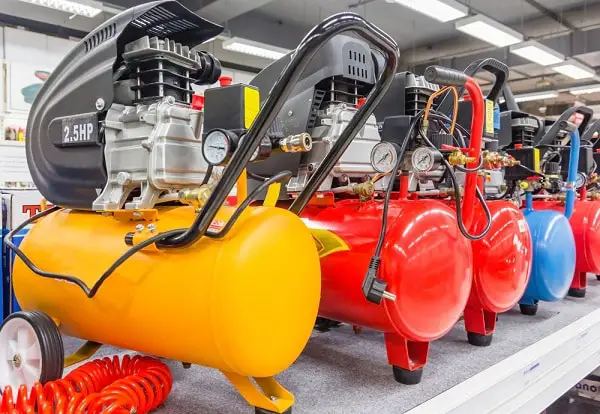
Compressed air is something every shop must eventualy acquire. It could be for keeping your impact wrench from stalling out on a rusty bolt, powering sander that eats away at the old finish, or running nailer that tacks down your trim. While tool is important, where that power comes from often determine just how smooth job will go.
Having best air tools in world won’t matter if compressor isn’t up to par and you’re spending half day waiting for tank to refill. When it come time to order a new compressor, pros and DIY’ers alike faces the same question: Do I buy direct drive model or belt drive? Size matter.
Price matter. But this question go beyond those two factors. Your answer will determine lifespan, noise level and maintenance schedule of your whole system.
Understanding Belt Drive vs Direct Drive Air Compressors
How Belt Drive Compressors Work
And that all starts with mechanical relationship between motor and pump. A rubber belt joins electric motor to crankshaft of the pump. The pump is turned by spinning of belt, which are spun by the motor.
By adding this simple belt, you completey change way machine works. Belt serves as a buffer for your pump, absorbing vibration and shock that would otherwise pass direct through the pump bearing. It allows motor to turn at an efficient rpm, but it will allow pump to be turning slower which is cooler.
And slower things gets worn out slower and produce less heat. That make for much more durable compressor if you’re using it hours on end. Also belt muffles sound.
Direct Drive Compressor Design
So you’ll still hear that pop from exhaust, but you won’t hear the higher pitched whine of motor grinding on air. Direct drive compressors has no belt at all because they eliminate it altogether. It’s as simple as connecting motor shaft straight to pump crankshaft.
That means smaller, less expensive and simpler unit. Nearly every pancake and hot dog compressor you find in Lowes or Home Depot are going to be direct drive. It is great for occasional use, such as driving a few brads into baseboards or airing up tire.
Stress and heat are the trade-off. The pump is being driven by motor. This means if there is load on the pump, it’s being put on motor.
This mean the pump will be running hotter and faster. This break down oil at an increased rate and strain the seals. They are loud.
Immediate and constant vibration. It is great for weekend warriors who only needs to run compressor for 20 minutes a month. They are not so great in day-to-day of jobsite conditions.
Noise Levels and Vibration
Also, noise is more important to many buyers then they think. Believe me, the belt drive units is much quieter. That hum versus a roar makes all difference when you have small garage.
Direct drives scream. There’s no damping and motor turns at high RPM, which means it sound harsh. Work in finished basement or share wall with your neighbor?
Many times only polite answer is the belt drive unit.
Maintenance Requirements
The two styles has very different maintenance routine. With belt drive, you’ll need to check your belt tension occasionally.
If it is too loose, it slip and burns rubber, so it does not provide any power. If it is too tight, you wear out bearings. Just visually inspect every couple of months.
With direct drive there are no belts to mess with, but you change your oil more frequent because of higher operating temperature degrading the lubricant quicker. Change that oil and keep your pump fresh or it would of seize up on you.
Cost and Long Term Value
The last consideration is price for most people. Direct drive units are less expensive up front. A good pancake compressor can be half as much than an equivalent belt driven pump and tank combo. Belt drives is a long term investment.
Upfront they cost more but don’t have to be replaced in five years. If you use tool enough, it works out.
Choosing the Right Compressor
Know where it’s going to live: Is this machine going in cabinet shop? Are you framing house? Then go for belt drive. Sure, it costs more and take up more room, but lower noise level and added toughness make it worthwhile.
If you’re out fixing fence posts and hanging pictures then pancake with direct drive suits you fine. It is cheap. It is compact.
It gets job done. It won’t break the bank. Pull trigger knowing what kind of work you’ll be putting it through.
The wrong one is nothing but an expensive piece of clutter.