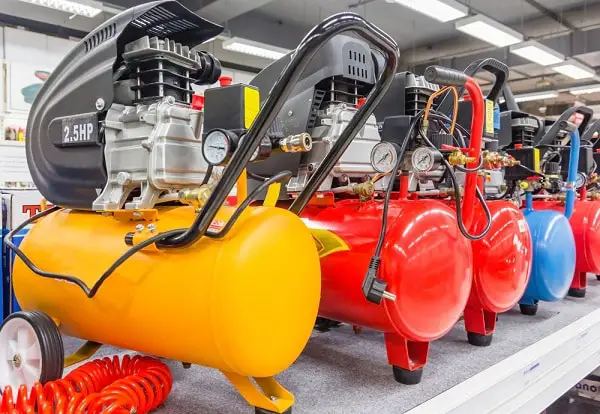
When you purchase a compressor, you want something that has the power. It should be something that can handle driving a nail or spraying paint without any worry. The size of the tank seem like a no brainer indicator of value (bigger should be better).
Right? Right… Until you’re halfway through the project and the motor overheat and cuts out. Then it’s all about duty cycle.
Understanding Air Compressor Duty Cycle Importance
Understanding Compressor Duty Cycle
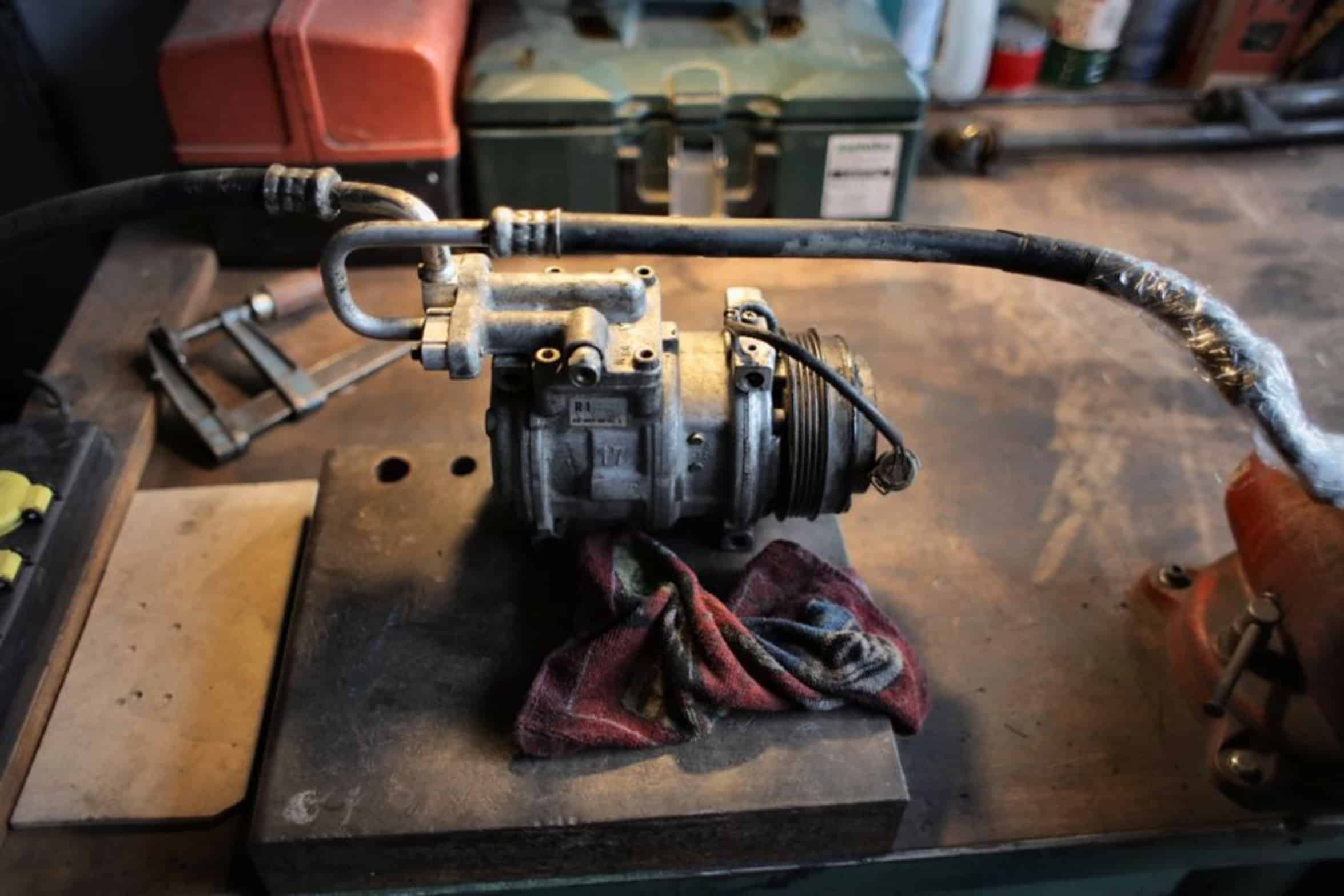
Duty cycle is most critical spec on that box. It’s technical-sounding terminology but in reality, it simply refers to durability. If you don’t pay attention to this, you’ll wind up with an expensive paperweight instead of something that can actualy be used for work.
This is what separate a real shop tool from a hobbyist set-up. It is the difference between marathon runner and a sprinter when it comes to your compressor. Duty Cycle refers to how much time in a given amount of time the compressor can be running continuously.
Commonly, it’s expressed as a percentage and measured in thirty minute window. If the duty cycle was 50%, that would equate to fifteen minutes on followed by fifteen minutes off before being able to start again. That’s not a recommendation.
It’s a hard stop meant to prevent thermal damage to the motor. Why does that matter? Because compressing air create heat.
Why Motors Overheat and Shut Down
As the motor fight the pressure of air being pushed into the tank, there is friction and wasted energy. Thin windings and little or no cooling fans on small hobby unit quickly lead to a hot motor. Push it too far and you’ll trip the internal thermal switch.
The compressor shuts down so it doesn’t burn itself up. Now you sit there while it cools off, watching your time tick away and your productivity melt. For extended runs, it’s a different story.
Industrial vs Hobbyist Compressor Differences
These industrial/commercial compressors is built to withstand daily abuse. Industrial/commercial compressors are designed by brands such as Quincy or Ingersoll-Rand to be rugged. If they have a one hundred percent duty cycle, that means they will not overheat running continuously.
Stationary two stage units from professional shops is designed this way. Compact size takes back seat to continuous air flow. There’s always a tradeoff: Cost and noise.
Trade-Offs: Noise, Cost, and Portability
High-duty-cycle machine are louder, more expensive to buy and maintain. They’re also heavier. While you can probably fit a quiet, lower duty-cycle machine like the Campbell Hausfeld pancake compressor into your budget (and garage), it won’t support high volume of nail guns all day long.
Capacity versus convenience: You get one or the other. Mechanical design always involve a trade-off. Duty cycle is often mistaken for tank size.
Tank Size Versus Actual Duty Cycle

Having a big tank doesn’t mean it has a high duty cycle. That simply means it take longer before your motor has to turn back on. So, having a larger tank when the motor have a low duty cycle will only delay shutting down the motor.
Sure, maybe you’ll buy a minute or two of runtime, but if you’re running the rated motor past its limit, it won’t matter how much air is in the tank because eventually it’s going to shut itself off. A tank is a reservoir, not a regulator. The rules are different when considering context.
Matching Compressor Specs to Your Workflow
If you’re using a compressor to inflate car tires on a monthly basis it doesn’t really matter if it’s a low duty cycle unit. If you are running a brad nailer for eight hours on cabinetry job, you need a continuous or high rating unit. The requirement depend on the application.
An industrial compressor for infrequent use as an occasional air pump for car tires is overkill. A hobby compressor for production use is a mistake. Read the fine print (You’ll save yourself some headaches).
Not just what’s printed on the side of the box but read the continuous duty rating in the manual. A few manufacturers advertise peak performance and bury their thermal limit in paragraph four. Understand your workflow…
How long do you think it will take to draw air from your tools? Then match that time with the rated capacity of the compressor. It’s also about heat.
Ventilation and Cooling Best Practices
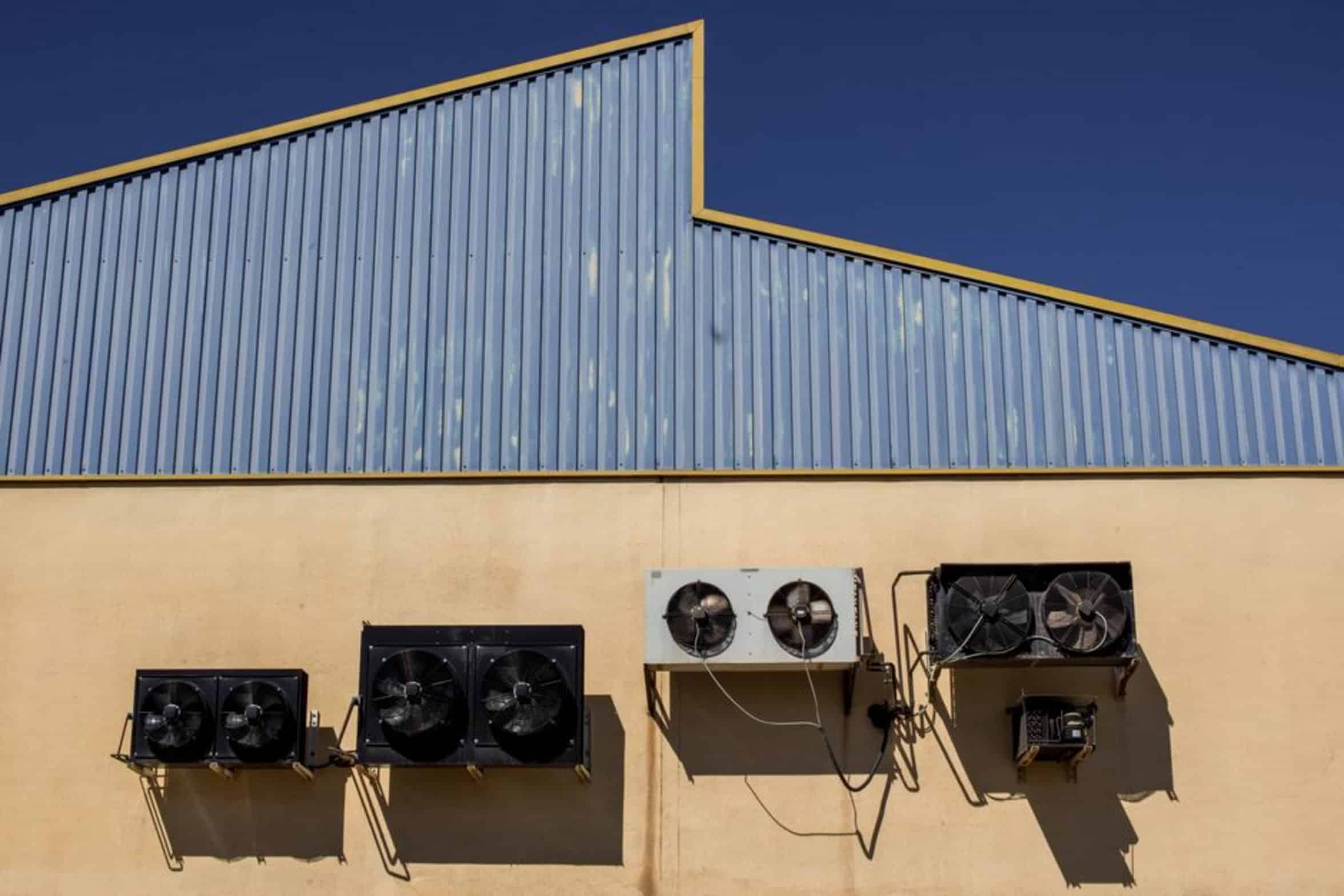
A compressor that runs often still requires air flow. Ventilation. Don’t cramp it up against the wall or in a closet where there isn’t enough air flow around the cooling fins.
It’ll run hot in tight quarters. That lower the effective duty cycle of your motor. Let the thing breathe.
Extend the life of the motor and keep it running well with this one simple step. You should of looked at the spec first. Ultimately, it just shows what the tool is capable of.
It takes away all the marketing BS about tank size and pressure. It exposes the mechanical boundaries of the motor. Respect its boundaries and the compressor will work well for you for years to come.
Ignore its boundaries and you’ll learn first hand why there are specifications. Don’t buy the tank that fits your budget; buy the endurance level that suits how you work. You would of liked a better one if you knew.