
The pressure gauge show one hundred and fifty PSI, as does your impact driver. You’re standing in aisle of Home Depot or looking at a spec sheet online. The specs match so everything looks good.
You pull out the air tool, it sputters, and doesn’t get the job done halfway through. How could that be? The specs said it was compatible.
Frustration sets in. This misunderstanding arises because there is actualy three sets of measurements (CFM, SCFM, and PSI) used to describe airflow in three different ways. One describes force, two describe volume, and one standardizes those volume measurement to account for varying conditions.
Understanding PSI CFM and SCFM Air Compressor Ratings
Understanding Air Pressure Measurements
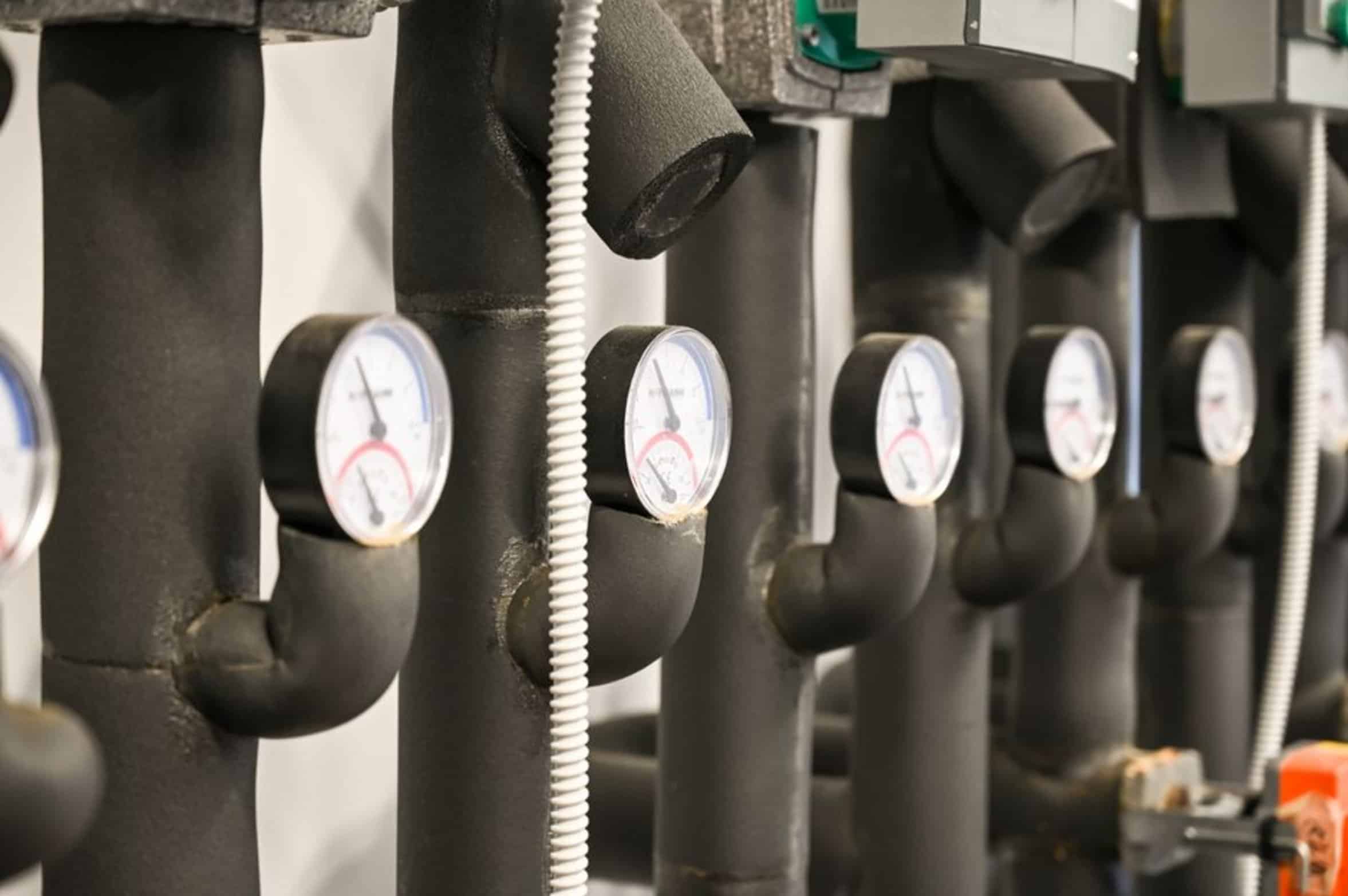
To properly purchase equipment suitable for you, you must know what each mean. Matching the PSI will not work. PSI stands for Pounds Per Square Inch.
This is the pressure of the air contained within your regulator or compressor tank. This is the force that push it from the hose. You can find the lowest safe PSI for your tool on its label or in its manual (such as a nail gun or impact wrench).
Your regulator will only pump as high as it’s set to, so if the regulator is set above what your tool require, an internal valve cuts it back down into the safe operating range. It’s simple and frequentaly misinterpreted as the only measure of power. But it isn’t.
Just like a strong wind can blow away, so too can pressure alone. You can have 40 PSI in your car tires, but unless you have enough flow rate they won’t be able to power heavy-duty jackhammer. You need both: sufficient air pressure to get through to the tool AND sufficient air behind it to operate the tool.
The Difference Between PSI and CFM
Enter following metric. The volume of air being moved by a system is measured in cubic feet per minute (CFM). In other words, how fast does the air move from your compressor to your tool?
PSI is like the pressure behind the water forcing it through the hose. CFM is like quantity of water going down the hose. A high PSI with a low CFM is like squeezing a spray bottle realy hard and getting no water.
Low PSI but lots of CFM is like having a soft flow but not enough force to push things backwards. The key difference that throws most people off are this: The majority of consumer compressors rate their CFM at the compressor head, not at output (this is commonly referred to as FAD or Free Air Delivery). It’s based off the assumption that you have no regulator, hose or tank between the compressor head and where it’s being used.
In reality, air loses volume and pressure as it travel. Whatever CFM is printed on the box is never what’s available at your tool. Expect a drop of 10-20% from heat and friction.
Why SCFM Matters for Consistency
Standard Cubic Feet per Minute (SCFM) is an attempt at eliminating the variables of altitude and temperature that make CFM ratings inconsistent. Because air get larger as it heats up and smaller as it cools down, the same CFM reading taken in your hot garage during the summer won’t be the same than your cold basement in winter. The SCFM standardizes the testing to some baseline condition such as sea level pressure and 68 degrees fahrenheit.
It also standardizes so you can compare one brand’s compressor against another accurately. For instance, if you read about a 5 SCFM compressor on Ingersoll-Rand, no matter who tested it and in what environment, it is the same thing. You do not have to guess what your environmental conditions might be doing to calculation.
If something says it need four SCFM, and your compressor is rated for five SCFM, you’re pretty sure it’s going to get it. This is true as long as the environmental conditions aren’t far off from standard. Now in practice: When buying a compressor to be used constantly, choose by SCFM first and then worry about PSI as long as it meets the minimum of what the tool requires.
Beyond this, there’s no benefit. The tool won’t get any more powerful or faster, but you’ll waste more energy doing so. The true limitation is how quickly the compressor can refill the air tank at a rate that keeps pace with how much the tool draws out.
Choosing the Right Compressor
If your compressor only supplies two CFM and your nailer sucks down four, it’s going to stall every few seconds. The first step is to check the actual amount of air your hardest working tool require. Read through the manual and look at SCFM requirement.
Next locate an air compressor with more than what you require. Give yourself a 20 percent cushion. That will keep your air cooler, extend the life of your motor, and prevent rust from building up in the lines and damaging your pricey tools.
Calculating Air Needs for Your Tools
Now that you see it in plain sight, it’s easy enough to understand how these two numbers relates. SCFM keeps air going into and out of the tool. PSI gets the air from A to B. One provides the push, the other provide the payload.
Without one or the other, it doesn’t work. The next time you’re shopping for an air tool, don’t get distracted by those big shiny PSI numbers printed on the front. Look for the fine print which details the SCFM numbers.
This is where the real story lies. What can this thing realy do? Get ready to make your projects run smoother.
Extend the life of your tools. Never wonder again what happened with all those numbers.