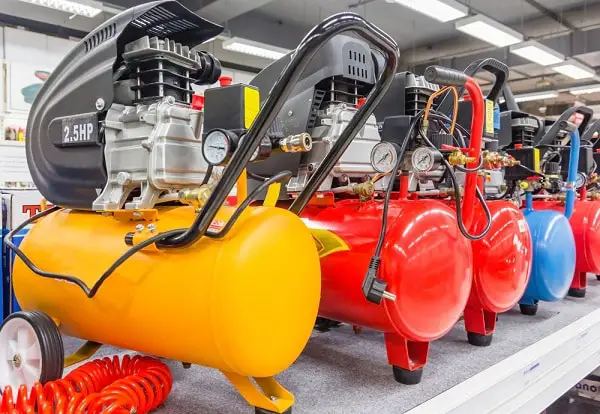
The morning is perfect; sun shine through the window and you see a pile of two by tens ready to climb the wall. Studs was cut, lines drawn out and now all you need is your framing nailer attached to that small six gallon pancake compressor you purchased cause it cost less than what you spend on lunch and would fit in the back of truck. You pull the trigger.
The nail go in. You smile. But then you try again, and the tool coughs.
Nail driven home and you’re smiling. Drive another one, but be prepared to pause so you don’t bend anything. Again.
This continues. Except when you do, it coughs. That driver blade barely nudge the shank of nail.
Waiting. Then the tank pressure drop quicker then your patience. Every DIYer’s nightmare has arrived.
Is that little pancake tank going to do the work, or will this be a frustrating experience? Yes, it will run your nailer. However that’s only part of the long answer.
Running Framing Nailers With Small Compressors
Why Pancake Compressors Struggle with Framing Nailers
And I say “long” because we need to change how we approach air power. It isn’t about having enough pressure to drive a single nail. Instead, it is about having enough volume to drive next nail before the compressor has to wait five minutes for motor to come back on.
Understanding PSI vs CFM in Air Tools
The difference between annoying yourself and nailing success depend on knowing the difference between flow and pressure. People tend to look at compressors and purchase based off PSI. Higher pressure = more power.
That’s where they get confused. PSI is potential energy. Actual work being performed are measured in CFM.
Nailers are thirsty tools. A typical twenty one gauge brad nailer will take a sip of air. A three inch framing nailer will gulp it down.
Most framing nailer demand between two point five and three point five CFM at ninety PSI. That’s a lot of air in a hose. Regardless of which pancake compressor you have (Bostitch, Porter Cable, Craftsman), they usually provides about two to two point five CFM at their rated pressure, which in this case would be ninety PSI.
So you’re right there on the edge. On paper it may look like it’s close, but real world is never as nice as the datasheet. This is where laws of physics come into play.
The Importance of Tank Recovery Rate
Tank size isn’t always the problem. Often it’s the recovery rate. A six gallon tank function like a reservoir.
It hold air and lets motor breathe without running all the time. When you fire a nail, you empty a chunk from that reservoir. The motor has to top off the reservoir.
Fire too many nails back-to-back and motor can’t keep pace. The pressure gauge drop to where it can’t provide full drive depth. Nails bend and fail to seat.
You’re not out of power. You’re out of time. It takes seconds for compressor to re-build the pressure.
Optimizing Air Hose Length and Diameter
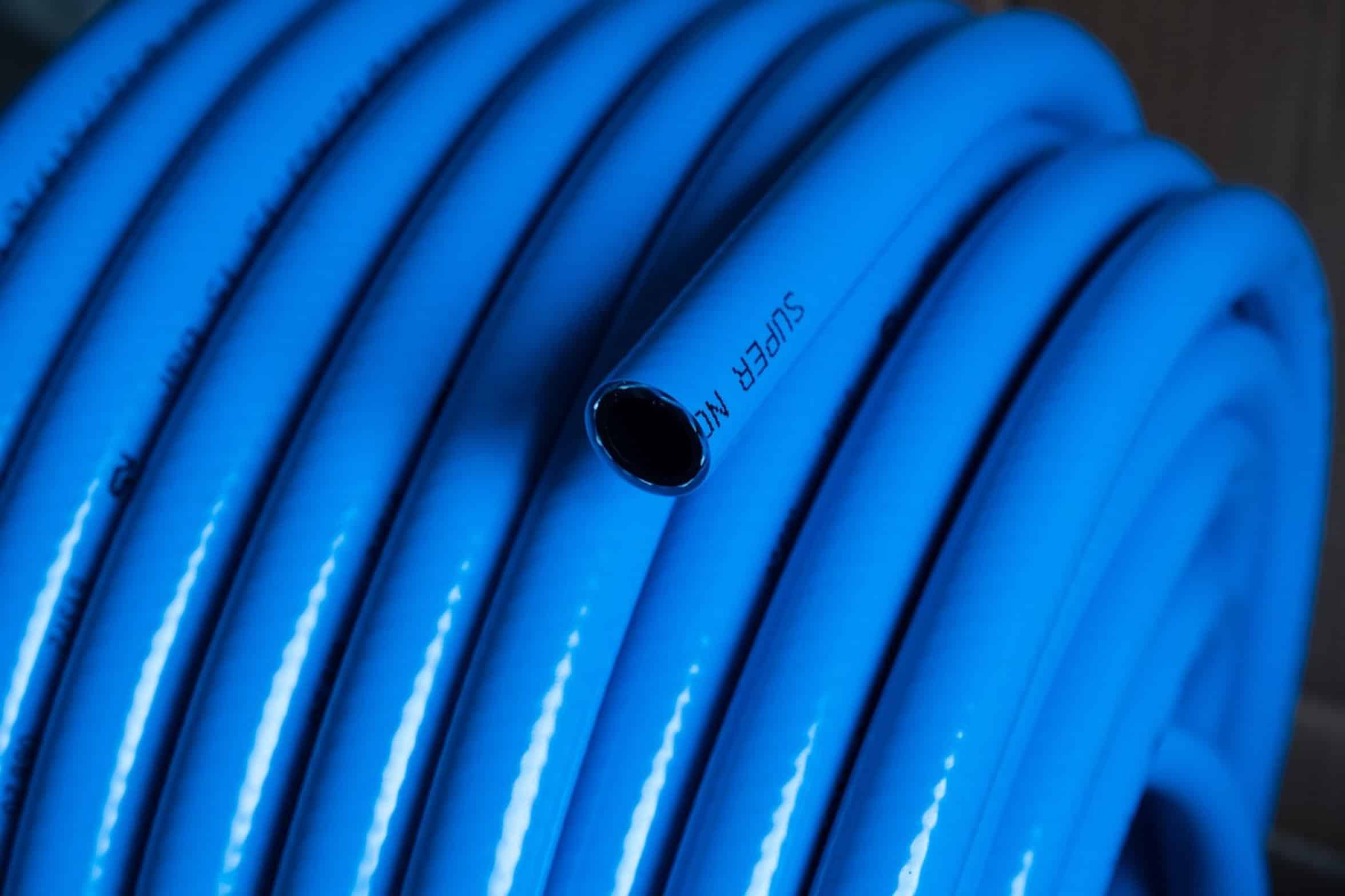
A pancake design provides burst action. A small motor and a slow fill rate create a burst. Surprisingly, this equation include the diameter and length of the hose.
Thin, long hoses limits air flow. Running 50 ft of quarter inch hose from your pancake to the job site significantly limits both the flow and pressure. This happen by the time the air gets to the nailer.
Solution? Simple. Use a three quarter inch hose.
It should be short, perhaps only ten feet or less. There is less restriction, which allows more of actual capacity of the compressor to deliver the CFM. Small change, big impact to performance.
Adjusting Your Pacing for Small Compressors
There are tricks to it. Your pace makes all of the difference. Don’t expect rapid fire.
That’s not possible with a small compressor. Find a tempo. Nail one.
Wait. Let motor run for a few seconds. Nail another.
The wait gives the tank just enough time to refill so that it can deliver a full drive when called upon. It slows things down, which you’re not accustomed to. But it saves time screwing around pulling shallow pins out of bent fasteners.
Patience will be your best friend. Embrace that fact. You’re giving up speed for portability.
Best Projects for Six-Gallon Pancake Compressors
Adjust your workflow accordingly. This isn’t going to be the set-up for sheathing a roof. You’ll run out of air before long.
A six gallon pancake compressor works perfectly well though for framing up a small room, making a shed, or even a deck frame. Respect its limitations and it’ll get the job done. Don’t think that you need one of those huge wheelbarrow compressors for everything.
Just use your head and work smart. Can I run a framing nailer off of it? Yes, you sure can.
It drives those nails straight and deep. Be mindful though to pause in-between shots. Keep that hose short.
Don’t get in a hurry. It’s a small compressor for the size of the job but if you would of give it time to breathe it’s strong enough. That little tank isn’t there just as a power source, she’s your partner.
Treat her like that and your project goes right on up.