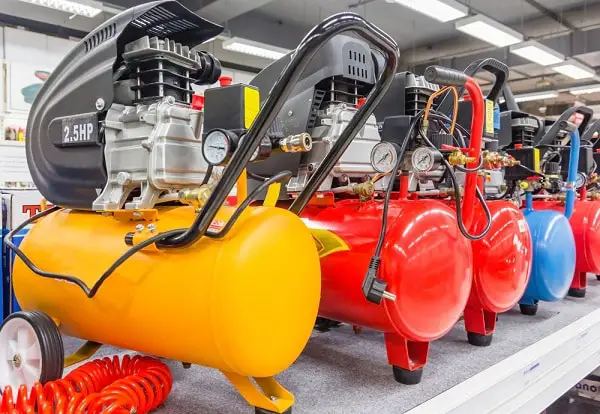
There’s always that one moment: you’re inflating a tire, trying to get dust off a keyboard, and realize that you are not prepared. You see a can of compressed air sitting there, it looks ready, and it promises instant relief. But after repeated use, the stream gets weaker and the mist start to freeze on your fingertips.
Before long, the can isn’t doing much good and you start to think there might be another way to handle pressurized air without all the waste. I don’t think this is a conveniance thing. It’s also a safety thing, and it’s a cost efficient thing too.
While some are simply using canned air because it seems like a permanent solution, others will look at getting an air compressor and think “well that would of being to loud” or “that would require me to spend money up-front. It’s a decision that impacts all sorts of things in your life, from delicate electronics to large pieces of machinery. Knowing what the tradeoffs are will help you avoid constantly throwing away money on something with a more long-term solution.
Comparing Canned Air And Compressor Costs And Safety
The Hidden Cost of Canned Air

This is where things get deceptive: the economics of buying canned air seems easy enough. At a few bucks a pop, it’s an inexpensive purchase when considered alone. One can is all you need to clean something.
Throw the can away when it loses its pressure. Repeat this three or four times a year. Three or four cans adds up to a lot of junk, right?
An air compressor, on the other hand, costs money upfront, usually around $50 to $200, depending off what you buy. However, once you’re past that initial year, you’ll start saving nearly nothing each time you use it, as opposed to purchasing disposable gas. Those things are filled to the brim with liquefied gas kept in an incredibly high state of pressure inside those tiny cans.
Safety Risks of Liquid Propellants
Using it upside-down will cause you to spray all that liquid propellant everywhere, and shaking the cans also do that. That liquid is really freaking cold, like frostbite cold, so keep your hands away from that stuff too. I’ve seen many people burn their hands or otherwise ruin keyboard by failing to heed the warning label on the back.
With an air compressor, you’re moving ambient air, so there’s never any worry about breathing chemicals in. The hazard becomes one of mechanical force, and it’s relatively straightforward to control with some common sense. Compressors has functional downsides: size and noise.
Tradeoffs Between Convenience and Power
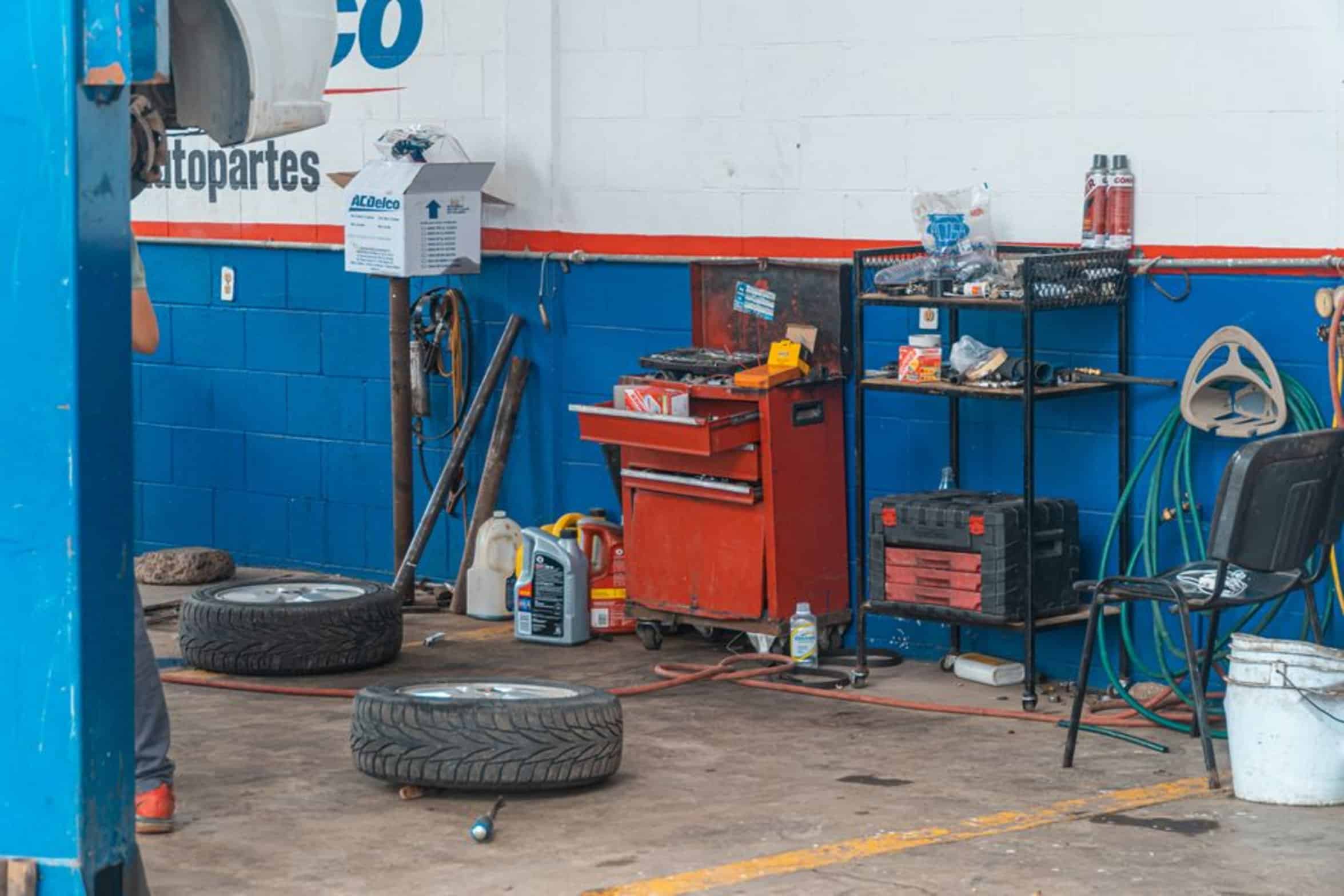
A traditional shop compressor occupies some floor space, kicks on at regular intervals when pressure falls (which is annoying in a home office), and is also loud. Canned air is compact and silent; you can stash it in a drawer. So if you use air intermittently and don’t have much room to work, a compressor may seem like overkill.
The question is whether the convenince of being quiet is worth more then being long-lasting and powerful. You can see the difference in how it performs in real-world situations. A canned air gives you a soft breath of air, which will do okay with light dust on surfaces.
Performance Differences in Cleaning Tasks
But it won’t pick up anything heavy. It isn’t strong enough to operate tools, nor could it remove grease trap. An air compressor offers reliable pressure and amount of air, as well as the ability to hook up a nozzle and blow out debris from hard to reach areas.
Because it’s not wet, but rather has a dry forceful stream, it’s good for doing things that need more oomph. Canned air is just inadequate for any serious application. But what size?
Choosing the Right Compressor for You
It’s an individual thing, how hard do you use your tool. Is it worth buying a small compressor if you only use your computer occasionally and need some air maybe once a year? Maybe a can would suffice.
Or perhaps you clean your laptops out each month; a little compressor could save you money and protect your gear. The moddern technology has advanced, and the price of portable compressors continue to drop as they become more available. There’s no need for a giant industrial tank for home uses.
You’ll get good, safe air that way. Compressed air isn’t a disposable commodity anymore. Moving from cans to a compressor means moving from reactive spending to proactive ownership.
It gives you control over your own space, it’s environmentally friendly, and while the initial setup takes an afternoon, the return on investment lasts for years. You’ll never again see a can go empty mid-job; instead, all you have to do is pull the trigger and get to work.