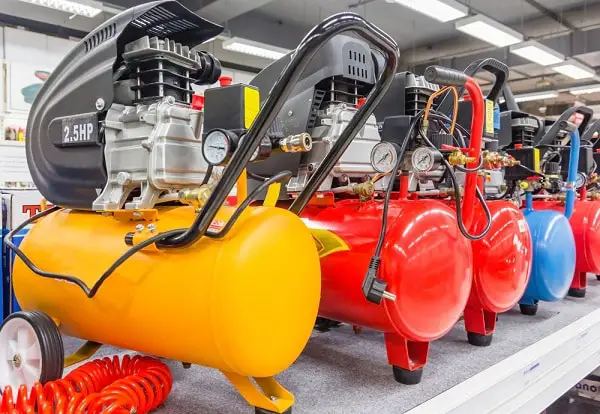
In recent years, the argument over whether to go electric or pneumatic (air) with your nailer have evolved. For several decades it was simple. Drag out the hose, lug around that air compressor, deal with the noise and weight.
Electric nailers was clunky battery packs with not much juice. Not anymore. Today, by 2026 we’re almost even on technology.
It’s not about what it can do anymore, it’s about where you work and how you like to work. Know what system is best for your job. If you don’t, you’ll waste time and money by purchasing one that’s too much or too little for what you need.
You’ll have bought an expensive top-of-the-line electric unit but now it won’t work at all when you’re out in the boonies. Or you’ll get a really heavy tank-type air compressor that you hate having to carry up ladders. Save yourself some hassle and time with correct purchase.
Comparing Electric Nail Guns And Air Nailers
Power Delivery and Performance
The first big thing to look at is power delivery. Pneumatic nailers are driven by compressed air, so they delivers a consistent level of power. That translates into each nail receiving the same amount of driving force whether it’s your first or last shot.
Mechanical drivers (electric nailers) runs off batteries. In the past, slow recovery time and heat issues was a problem. That is not the case anymore with newer lithium-ion platform out there today (DeWalt/Milwaukee).
These provide burst fire capabilities up to par with their air-driven versions in both finish and framing applications. The playing field is leveled and performance is equal. For most of us it’s mobility that swings the scale.
Mobility and Workspace Flexibility
With an air setup you need a hose and a compressor. A small pancake compressor still add bulk to your equipment. You have to deal with a tangled hose and make sure the compressor stay in range.
Cordless electric nailers are complete units. Strap ‘em on and get going. That mobility is extremely important when working on a steep roof or in a completed room where lugging a compressor around isn’t practical.
When you’re working fast from one end of a big area to another, cordless electric nails wins. There’s always a catch with convenience. In this case it’s an expensive initial cost and cheap operating expenses.
Cost of Ownership
With pneumatic, you purchase the gun and then purchase the compressor. Once that is paid for, there are minimal additional costs (air, and occasional oil). With electric nailers, you’re going to pay for batteries.
And you’ll need several battery to power through a day’s work and not wait on charge cycles. And those batteries don’t last forever. You’ll replace ‘em every couple years.
Electric systems may be more expensive in terms of total cost of ownership within five years. That’s something that catches folks off guard when they first see the sticker price. There’s a big difference when it comes to both noise and vibration with the two types.
Noise and Vibration Levels

Air compressor are noisy. In an interior finish project, or in a residential setting, that continuous hissing and intermittent venting sound can be annoying. And those pneumatic nailers passes on much more vibration to your hand.
Electric nailers run quiet. Battery pack and housing dampen impact. If you spend lots of time at your job site, less noise fatigue makes a difference.
Quieter operation will make your hands (and ears) happy. Air is a little more reliable in extreme conditions. An air system are mechanically simple.
Durability in Extreme Conditions
It has no vulnerable electronics to malfunction in a dusty or wet environment. Yes, the new electrics are water and dust proof. But they still has fussy circuit boards inside.
Extreme cold can impact batteries as well. If you work in bad weather outdoors, air will always be the long shot bet. As long as air lines is kept dry, air works reliably even at freezing temps.
Choosing the Right System
In the end, it’s going to come down to your main application. For big, open jobs with plenty of room to set up a compressor, if you’re doing lots of heavy framing, stick with air. It is by far the most durable and inexpensive option to operate.
For remodelers, roofers, finish carpenters, folks who like their tools mobile and silent, go electric. With the moddern tech from 2026, it makes sense now. They’re both pro-grade tools.
Use the one that fits how you work, not necessarily what you saw on an ad. The best tool is the one you actualy enjoy using daily.