The media shuts off when you pull the trigger on the sandblaster. Your sandblast gun sputter. You see the pressure gauge drop like a stone.
It sound like machine is failing. Or maybe you’re thinking there’s something wrong with the abrasive. That it needs to be changed.
But if you’ve been fighting clogs for over a week, chances are good that you’re fighting the wrong thing. Chances are, it is never because of the nozzle or sand itself. What you’re seeing is dampness in your air lines that you can’t see.
How Moisture Causes Sandblaster Clogs And Fixes
Why Moist Air Ruins Pneumatic Tools
The damage moist air does to a pneumatic tool cannot be overstated. Moist air turn dry garnet into gooey globs. It rusts internal parts on inside.
But worse yet, it forms partial vacuums that choke off your blast pot. Spend as much money as you want on latest and greatest nozzle. Your moist air will ruin everything.
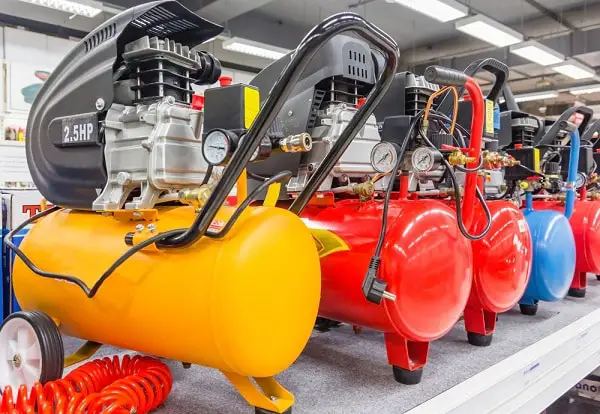
How Compressed Air Creates Condensation
Here’s how to fix it: First you have to understand what causes it. Second you have to accept that air hold water vapor when compressed. Heat come from compression.
So as the air gets compressed on the way into your tank, it’s going to get very warm. Now we know that hot air contain water while cold air expel water. The second your compressor sucks in the air, it will get heated.
All of the water vapor get trapped in the hot air. Then it enter your steel tank where it begins to cool off. That cause all the vapor to turn to liquid.
And what happens? It pools at the bottom of your tank. Waiting for you to open the valve.
At which point, the rushing air grab that water and shoots it right into your blast gun. From the tank to the nozzle is a long journey. There is several valves, some rigid couplings, and some flexible hoses.
Every place where they connect can be a catch point for moisture. Then there’s gravity…water wants to pool in the low places. Most often the low spot is your blast pot.
It’s a waiting bucket for condensation. Then you throw abrasive media into the mix. It gets all wet and heavy and won’t budge.
Instead, you has sputter not blast.
The Limits of Standard Inline Filters
The issue isn’t usually caught by a standard inline filter. A lot of people use one of those little bowl filters along with simple regulator.
Sure, it catch the big stuff that’s coming out of your tank as droplets, but what about fine mist? What goes into your pot? It go right on through.
It coats your media in a microscopically thin layer of film. What happens then? Glue.
Yes. Film bind the particles together. The bond is strong enough to prevent the venturi from opening, and blocks the venturi tube itself.
Now there’s no way for the air pressure to overcome the weight of the gunked up media and the water won’t flow. Drain your tank. However, if you don’t have a way to remove the water before it enters your blast pot, then you’re not done yet.
You should of cleaned it out sooner. What you want are some type of filter that trap tiny droplets using special media. The media combine smaller particles into larger particle that you can drain off.
This is called a coalescing filter. Mount it near the gun so the drain valve is easy to reach. Each job change, empty it out.
Choosing the Right Abrasive Media
The second error: The media you’re running is incorrect. Certain abrasives absorbs water. This means they will absorbs water out of air around them.
A classic example is silica sand. It soak it up like a sponge. That is why you still have problems with clogged machine due to the sand, even if you are running dry air through the machine.
Run garnet or aluminum oxide. These two is very good dry media that don’t soak up moisture. They flows well.
They’re gentle on the equipment. Cost is slightly higher by the pound. However, you also get cost savings in time.
Proper Hose Routing to Prevent Clogs
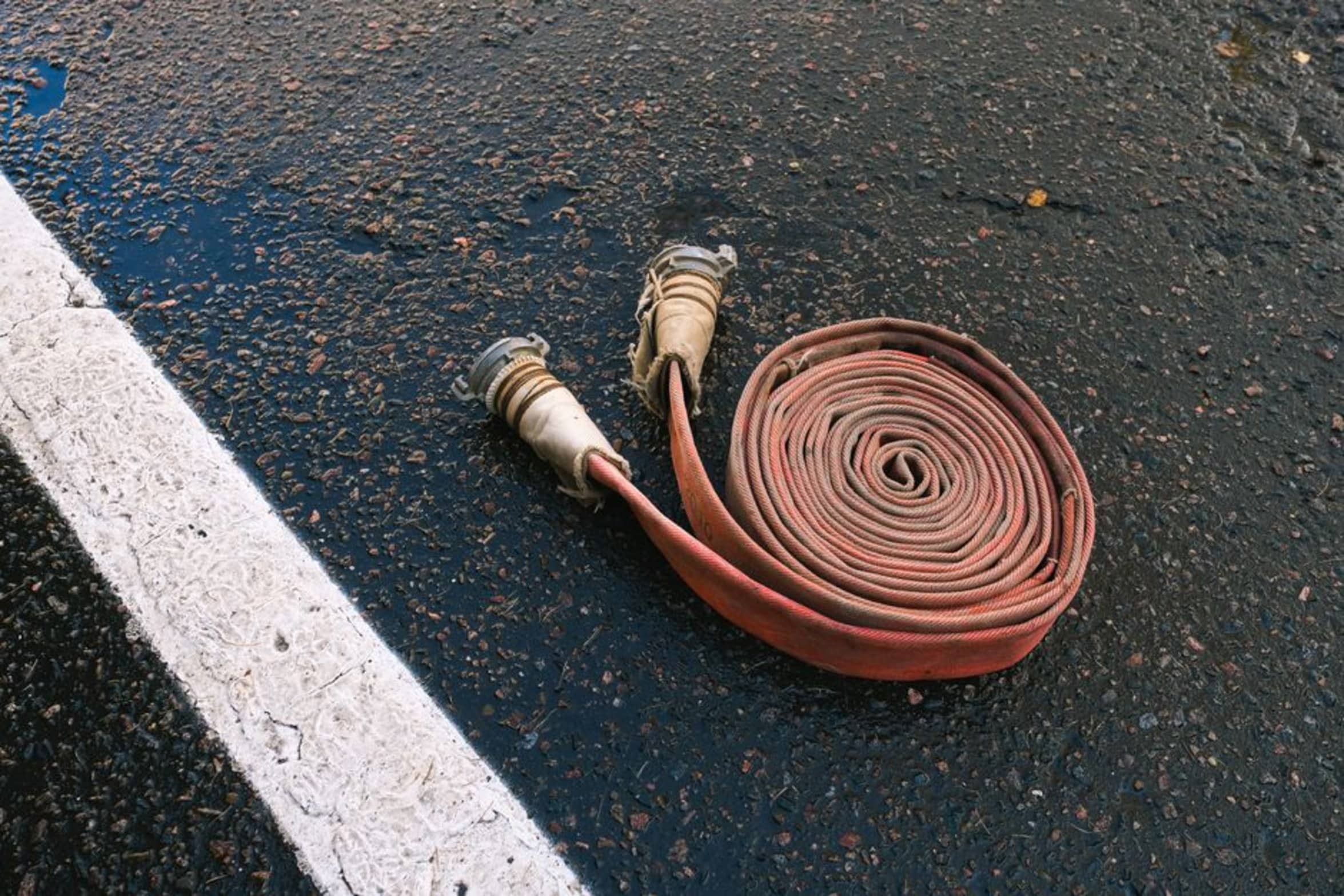
Lastly, inspect how you route the hose. Air flow downhill toward the gun. Water collect at the top of any loops in the hose.
Make sure the line running from the regulator to the blast pot have a downward slope. Get a good quality hose that doesn’t crack. Any cracks allow surrounding humidity into system.
This contributes to the moisture load. Make sure the lines are tight and the hose slopes well. The truth of it: A clogged sandblaster has more to do with flow then force.
Manage the flow of water and you manage the blast. Make sure your lines is sloped properly, your media flows freely and your air is dry. Master the moisture and the clogs will dissapears.
The sputtering stops. The job gets done.