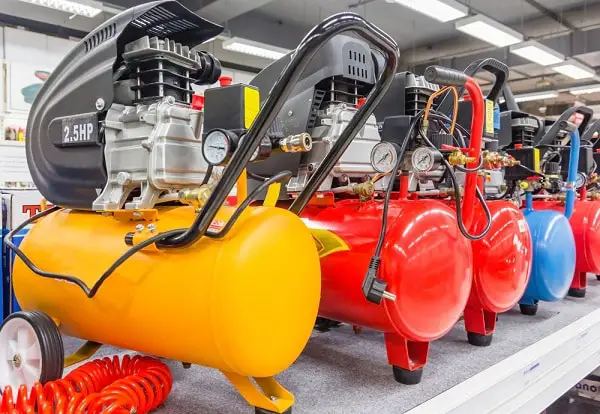
The word pneumatic has probabley come up in your life. You’ve certainly read it somewhere on a spec sheet for a nail gun or perhaps overheard someone use phrase while working in factory. It is pneumatic.
Sounds like an industrial word. Sounds technical. Sounds like something involving complex engineering and heavy machinery.
Here’s the surprising truth: it isn’t. And it drives a massive part of our moddern world. Learning this one word will change way you view everything from industrial assembly line to car tire.
Understanding Pneumatics and Compressed Air Systems
What Is Pneumatics? The Basics of Compressed Air
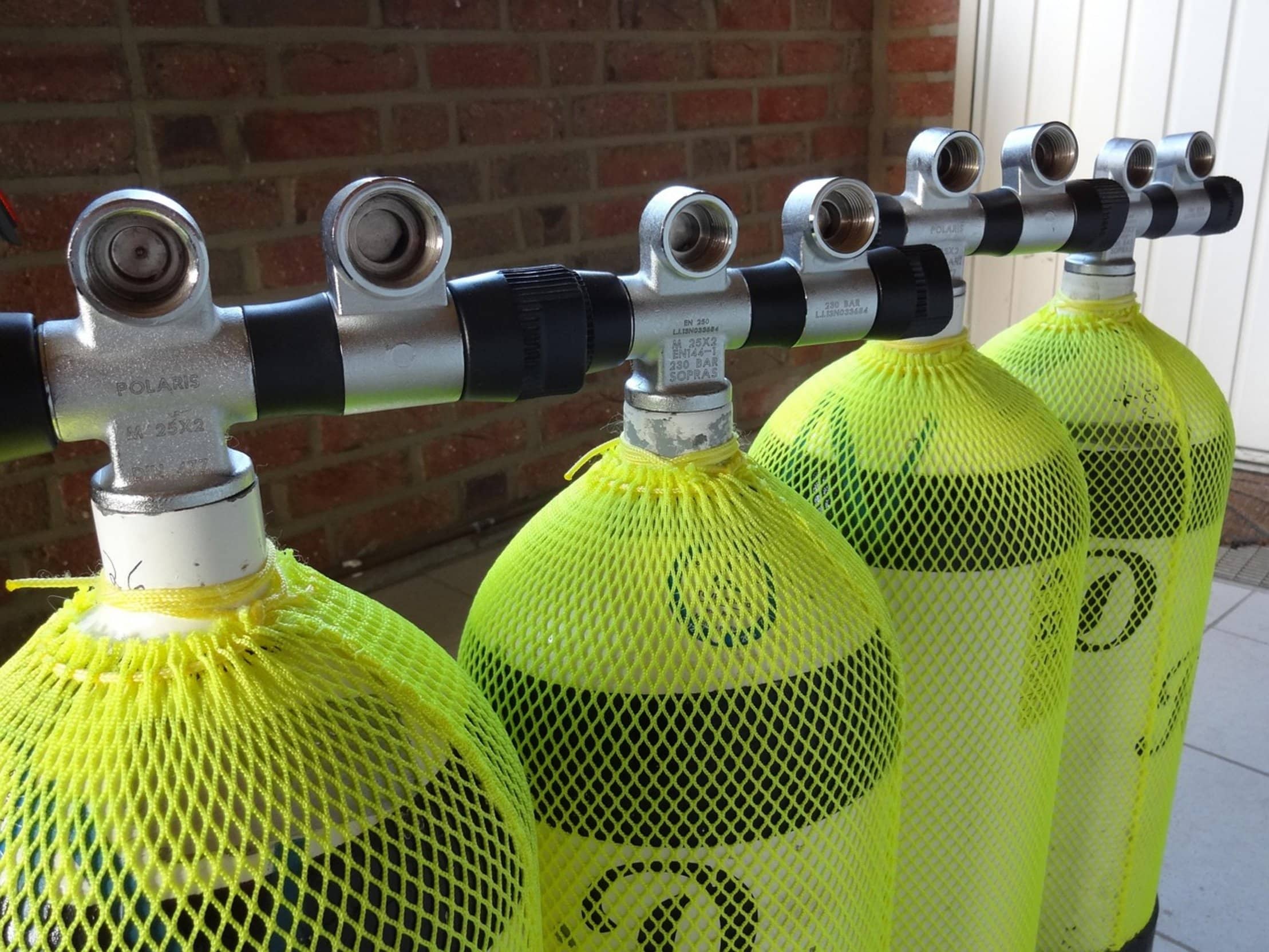
Simply put, it is operated by gas or air under pressure. Opposite than hydraulic, using liquid. Why?
Because how you apply power determine its force, speed and safety. Hear pneumatics, think compressed air. This straightforward translation will help you better understand not just the tools in your garage, but also system keeping the plants around it running.
It’s simple elegance in physics. Ambient air go into a compressor. That compressor squishes the air down to a smaller volume.
Doing so greatly increase its pressure. Opening the valve release that air. Because the air expand rapidly, it forces air out of a hose, makes a piston move, and turn a motor.
And that force are the magic. It store energy as pressure and lets it loose when desired. Air is an extremely versatile energy source.
You can generate it on demand and store it for future use. You can also send it down a hose, losing very little as it go. That’s why it’s so great for power tool.
Why Use Pneumatic Tools? Speed, Weight, and Safety
An air impact driver runs off compressed air, while its battery powered cousin, like this Milwaukee M12 Fuel impact driver, run off batteries. The air-powered one never needs to wait to charge up, since you can have a continuous flow. It also has no need for a bulky battery pack and motor, which lighten the tool considerabley.
When a guy on a production line is putting in thousands of screw, that weight reduction really matter. There’s also safety. No spark-producing pneumatic tool.
You know, they’re safe to use in a dusty environment. They are also safe in environments where there is flammable vapors. If you have a battery tool, it could arc inside itself.
Your electric motor can get too hot. What about air? It is inert.
It won’t explode if it leak out. That’s why pneumatic equipment is normal at chemical plant and refineries. It just lowers the risk.
It is a little thing, but it is important when people’s lives are at stake. It’s easy to maintain too. Unlike electric tools, pneumatic tool have fewer moving part.
The Critical Role of FRL Units in Maintenance
There are no electronic board to go bad. There are no brush to wear out in motor. For the most part you simply want to make sure your air stays clean.
The enemy, oil and moisture. Oil can clog small passage. Water in the air line can rust the internals.
This is solved with a simple filter regulator lubricator unit. It add a drop of oil when needed, regulates the pressure and remove water. Cheap insurance.
Efficiency Trade-Offs: Power Density vs Energy Cost
This is where efficiency come into play and the story become complicated. Air compressor are very inefficient. To create compressed air they takes a huge amount of electricity which is mostly converted to heat during the compression process.
Pneumatics is less efficient than direct electric drive for this reason. The benefit is you can get more power out of something smaller. That’s power density.
In many case that trade off is worthwhile for large duties. It’s one of those capabilities versus cost calculation. The applications have changed The batteries have gotten better Cordless tools have gotten more powerful But for high duty cycle jobs, pneumatics still win.
Pneumatics in Heavy Industry and Assembly Lines
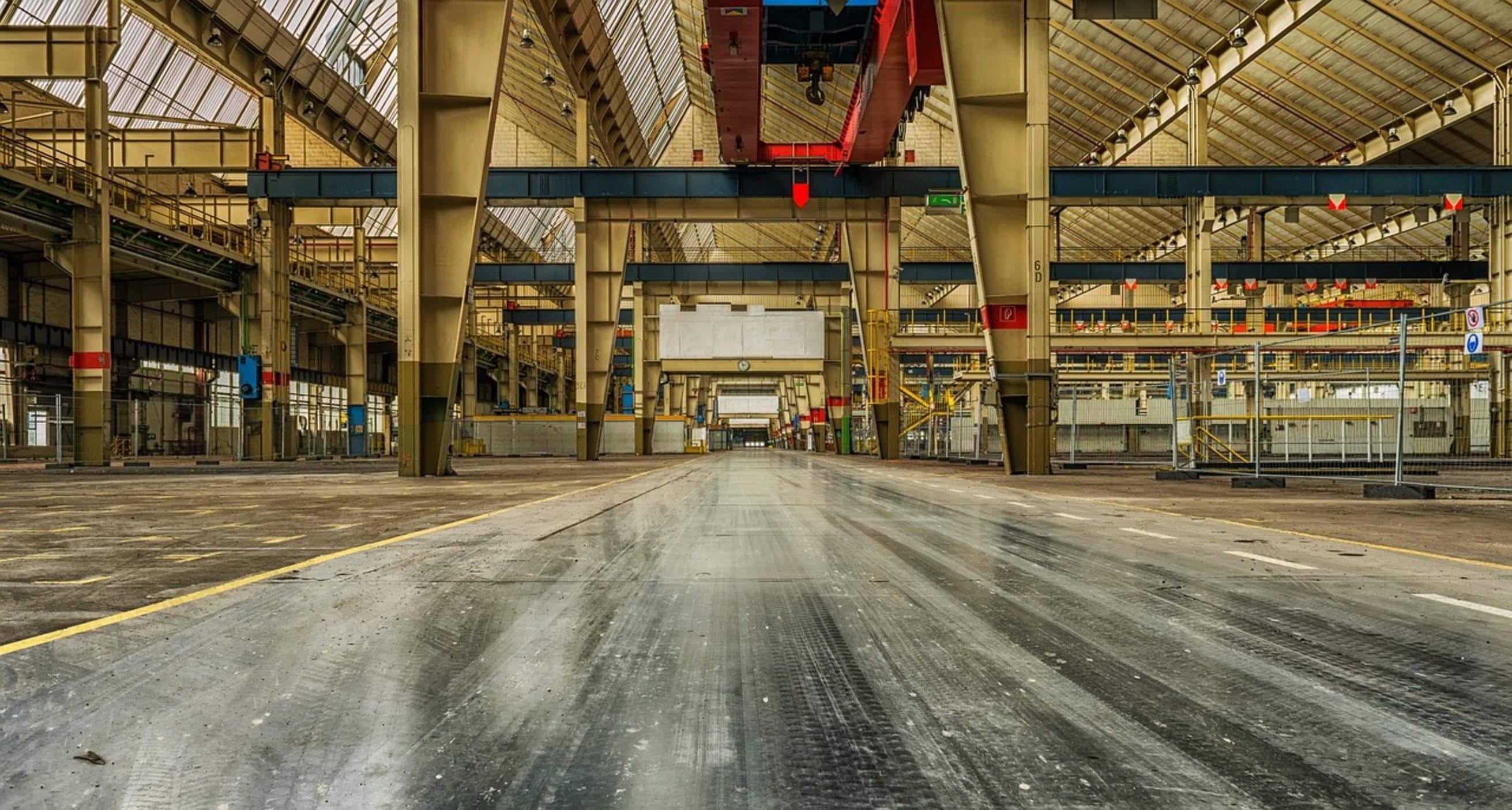
Consider an automobile assembly line. The robot must continue working uninterrupted to keep up their pace. There is never any shortage of air.
And it also scale. Need a few tool? A hundred?
Pneumatics can handles either and you only need one central system. Add hose as necessary. Ever been in a factory where they make cars?
Ever seen an air line? Look closely at those quick connect fitting and those flexible hose. Also, look at the air lines connected to tools like staple gun.
Listen as the air escape with a hiss. That’s not nothing. That’s the release of stored energy.
That’s sound of work. Pneumatics are the power behind construction and manufacturing (simple), reliable and powerful. Understanding pneumatics will help you value the unseen forces that create our world.
You should of known this sooner.