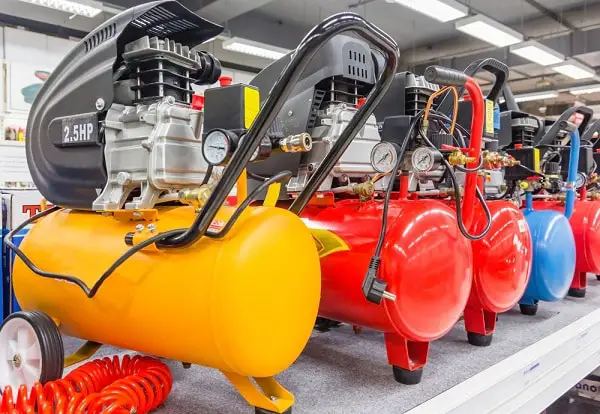
When you get moisture issue, one of the first things you do is look to your air compressor. When your spray gun start shooting water, you twist that knob on your water separator. It feels like a magic fix, but it isn’t.
If it’s not in the proper location, the device will do nothing. It’s like filtering a filthy hose; you are pushing the issue downstream and never solving the root cause. Many people think inline filters is a perfect solution that catches everything.
They don’t. Inline filters will catch what they can. But if there’s a bunch of liquid water in the air already when it reaches the separator, then the separator become rapidly clogged.
Or else the filter allows the worst to pass through. You end up with dirty pneumatic tools and a ruined finish. In most cases it’s not because the separator is inferior.
It’s nearly always because placement is off. Get the sequence correct and save both time and money. First, the big tank on your compressor allow the air to slow down and cool so moisture can settle out.
That’s why it is important to drain the tank. However, even when you drain that tank, some warm vapor will remain inside. You want something to handle that vapor before it reverts back to a liquid in your tools.
Best Practices for Water Separator Placement
Why Placement Matters More Than the Filter
The separator should be close enough to the tank to catch most of moisture. However, it needs to be far enough away so it doesn’t have to deal with sludge that should of been drained out. Consider how the air runs.
Air come out of the tank and down a hose and into your separator and then off to your tool. That section from the tank to the separator is key. How long is that initial piece of tubing?
The shorter the better. If you have ten feet of hose running from the tank to the filter, the air will condense in the hose. When it gets to the separator, it’s not just air anymore, it’s got water in there too.
The filter has to work twice as hard. Make sure connection is nice and tight. Two feet is plenty.
Mounting Orientation for Gravity Separators
Depending on the type of separator, rules have some variation. A gravity separator (like the simple bowl type) works using gravity. Vertical is the key.
Mounting it horizontal will cause the water to pool where it shouldn’t and may never drain. Read the manufacturer instructions, but the physics speak clearly. Gravity goes one direction.
Make sure the drain value is lowest part. Mount it vertically. Do that and the gravity separator will work.
Otherwise, the bowl becomes a reservoir for rust and other fun things. That is not what you want in your air supply.
Protecting Coalescing Filters with Pre-filters
Another option is the coalescing filter. It’s an expensive filter and it is not made of sturdy materials. Coalescers use a fine media that traps microscopic particles and vapor. Put one in-line with your tank too close and the large droplets will immediately blind the media.
The filter is now toast and needs a pre-filter up-stream. And what’s a pre-filter? It is something simple like a bowl style or spin-on unit that captures the big stuff.
Now the coalescer catch the tiny stuff. Why does it matter which comes first? Because the big filter go first followed by the fine filter.
Reverse that and you waste some good filters.
Managing Condensation from Temperature Changes
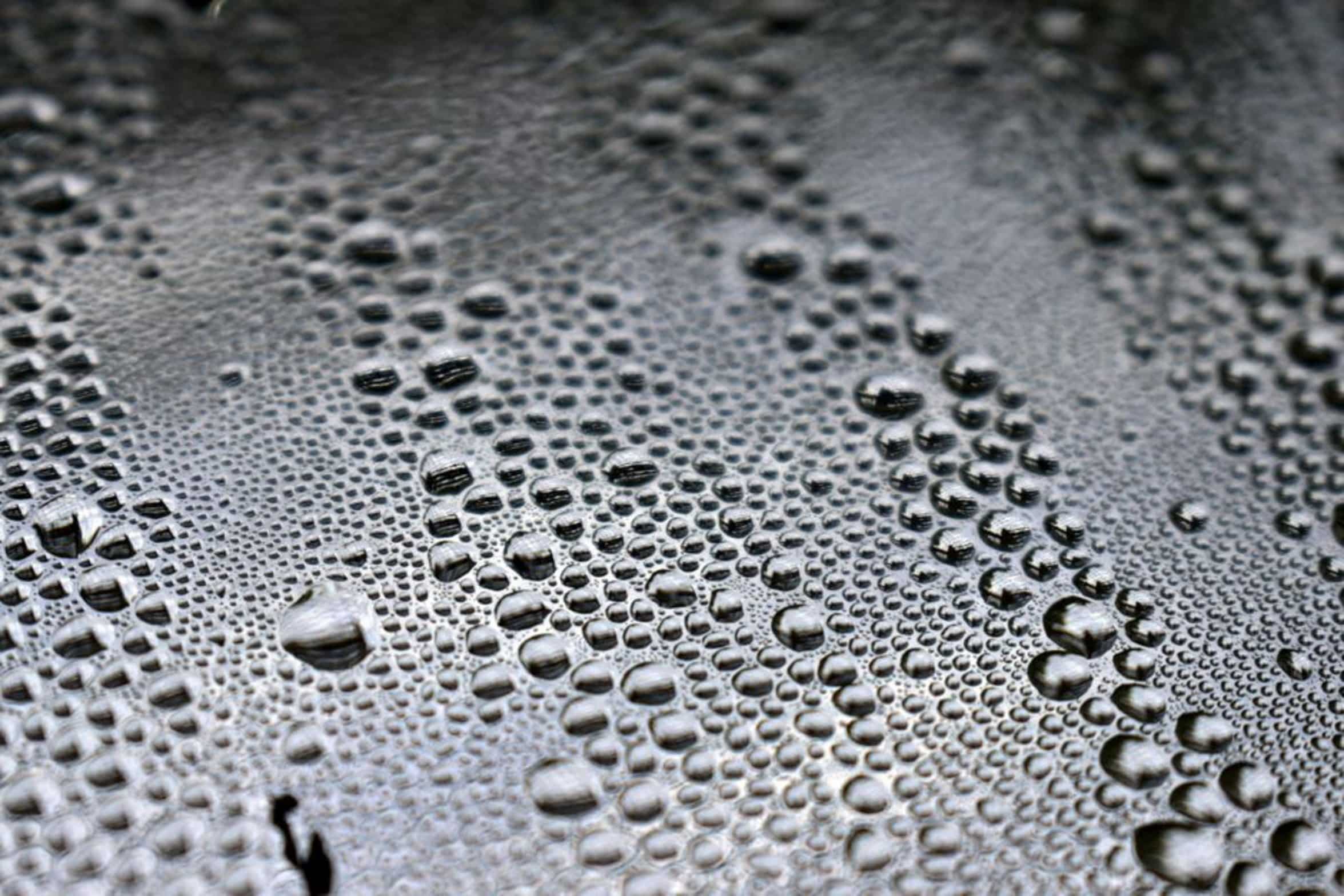
People also overlook the temperature part. Hot air can hold more moisture then cold air.
As it cools it let go of the moisture. The air coming out of your compressor tank is warm. It then goes through your hose into a cold garage.
There, the air starts cooling off and condensing in the hose. That’s why you want to see water in the separator. That means it’s doing what it’s supposed to do.
Water after the separator is either bad filter or the separator need to be moved closer to the tank. Watch for that. If the air going downstream feel moist, move the separator closer to the tank.
Point of Use Filtration for Final Protection
Think about what you are spraying. Are you working in a remote area with air going there? How long is that line?
Do you have a long drop line into a sandblasting cabinet? A nail gun can handle a little moisture, but a paint booth cannot. Then think about if you have a secondary separator close to the spray gun.
That’s called point of use filtration. It’s the insurance policy. The big separator does the bulk.
The small inline filter are for the final touch. It’s more expensive, but it gives you peace of mind. When you pull out of there and the finish looks perfect, you’ll be glad you did.
Daily Maintenance and Drainage Routine
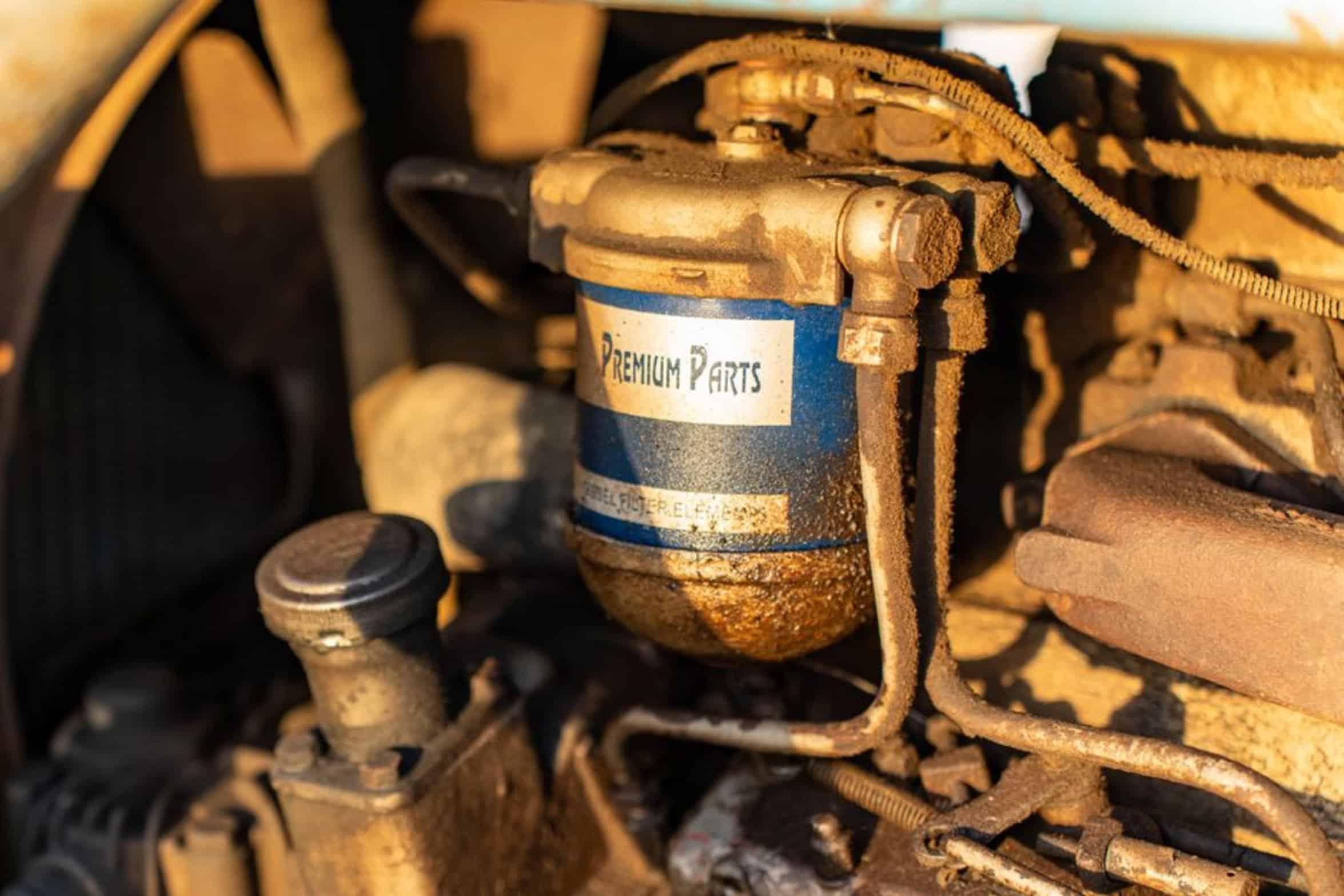
The other half of the equation is maintenance. If you have the perfect separator in place, what good is it if you don’t ever drain it? Metal sitting in water rusts out.
The water also makes sludge that sits there and clogs up your lines when it gets blown out. Check your drain each day. It will only take 10 seconds, yet most people don’t do it till they notice water in their tool.
At that point, the damage is already done and it’s too late. The separator is a trap, empty the trap. Tools last longer.
It gives a better finish. You will have less frustration. Dry air.
And the water separator is just one piece of that puzzle. It is a system, if you will. So while the separator alone doesn’t solve everything, the water separator does work best as part of a system made up of the following components: Tank, hose, separator, filter and tool.
Where you place those parts matters. Where you place those parts matters. So put the separator where the water wants to go.
Put it before the fine filters and where gravity can help. Put the separator in the right spot and respect the order so your tools last longer and your projects run smoother. You’ll stop asking yourself why your air seems wet because it really is about where you put the filter.