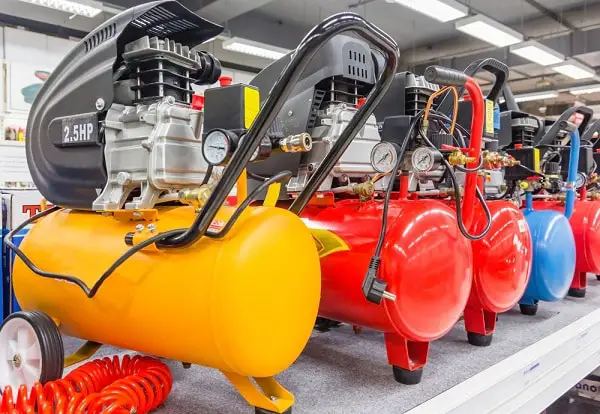
I am sure you have been there: You pick up a pneumatic tool and it doesn’t want to drive a nail and sputters. Often the issue is upstream in the air preparation system. It has nothing to do with the tool.
What’s an air dryer? What’s an aftercooler? Why does someone call one the other?
Because both units is used to deal with hot moist air coming from your compressor, people gets them confused. In some situations they even resemble each other. Both will make the air better, but they perform entirely differnt functions.
Water harms pneumatic systems. Rust forms within the cylinder, motors has their lubricants washed out and lines freezes up in cold weather. That’s why you want it removed.
But there is a difference between removing liquid water and removing water vapor. There is one device that removes the liquid and another that handles the change from liquid to gas. Knowing the differance can save dollars on damaged equipment.
Understanding Aftercooler vs Air Dryer Functions
Aftercooler Basics and Function
First, let’s talk about why an aftercooler is different, and what it does. An aftercooler sounds like it would cool something, but in reality, it’s involved with drying. How?
When you have air cooled down, that water vapor will condence into a liquid. That happens when you take a cold can of soda out on a hot day. You notice beads of water forming on the can’s exterior.
Same thing happen inside the aftercooler. The aftercooler makes that happen. It reduces the temperature of the superheated air coming off the compressor very drasticly which in turn forces the water vapor to convert into liquid droplets.
And that is the important part of the process. If the water didn’t go through this phase change, it would stay gaseous. You don’t drain gas.
Gas is a vapor. You can drain liquid. This is the point at which the aftercooler prepares the water to be drained off.
It doesn’t do so very well itself. All by itself, it simply renders the water palpable. In most conventional air compressor, there is some kind of cooling incorporated into the system either through the tank walls or a simple heat exchanger.
Larger industrial systems use dedicated aftercoolers when the built in cooling won’t suffice. These will maximize condensation. So when all this water condenses, where does it go?
Moisture Separators and Air Dryers
Enter the moisture separator, or air dryer. An actual air dryer is a complex machine that reduces the dew point of the air. It uses either desiccants or refrigeration to extract water vapor from the air stream.
Not only are they expensive but also energy intensive. Air dryers would be required for such things as powder coating or sensitive electronics. What folks frequently refer to as a dryer is actualy a moisture trap or a coalescing filter, which is fine for general shop use.
The trick with these traps is that they depend on the aftercooler already doing its job. If the air does not cool, no water droplets will condence. Nothing happen in the trap.
Instead, it lets the water pass straight through. Liquid droplets form because the air was cooled in the aftercooler. Now the trap gets busy.
Using either filter media or some type of cyclonic action, it separates the liquid from the air. The liquid drains out. The drier air continues on.
Combined Air Treatment Packages
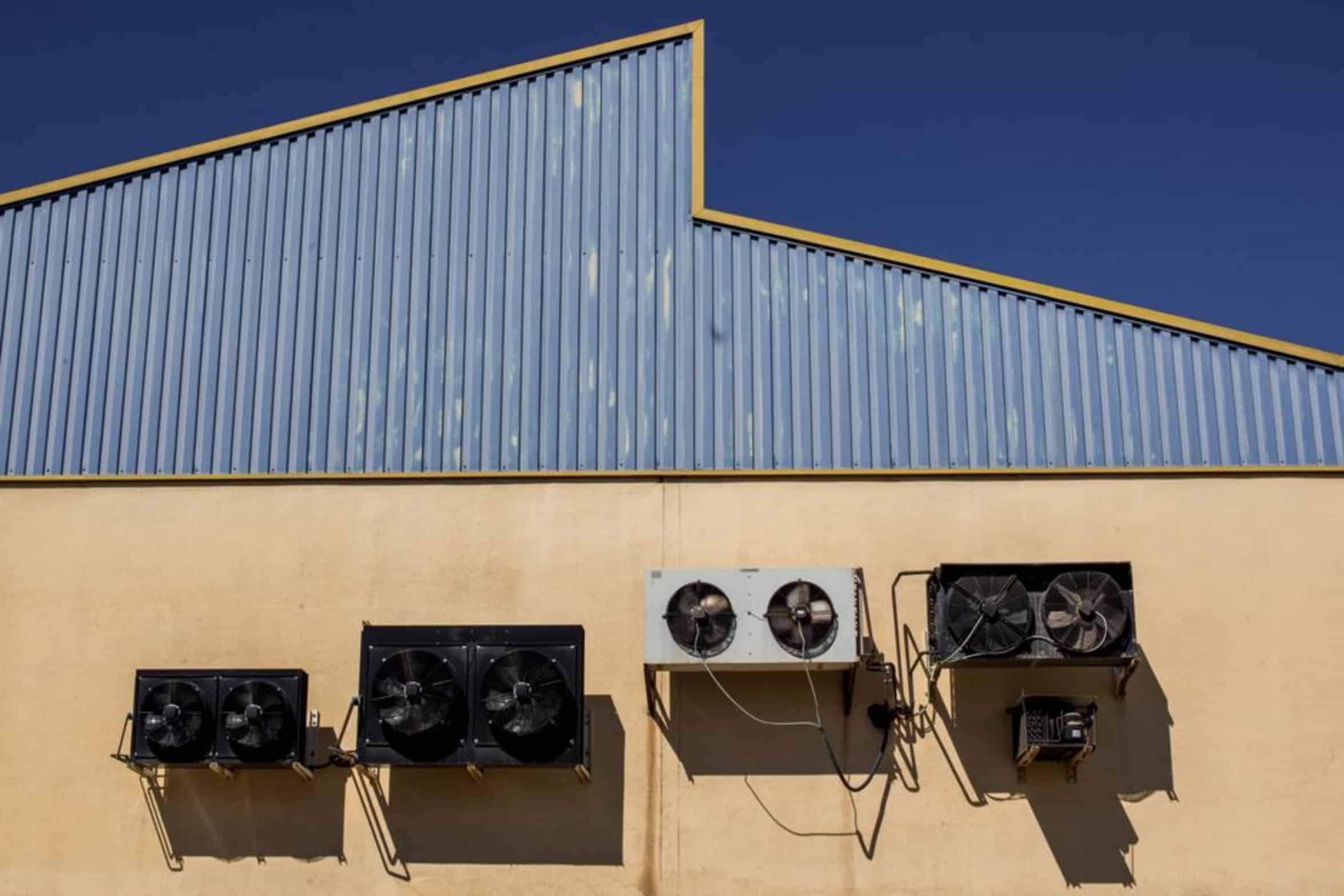
It’s a two-step process: First cooling. Second, it separate. Today many compressor combine the two functions.
Some refer to them simply as an air treatment package. What you will find in there is typically a separator right behind the aftercooler section. The beauty of combined units are they are easy to install.
And more importantly, they cool the air first and then send it through the separation step. Manufacturers understand that neither does any good without the other. If you purchase a stand alone dryer for a poorly cooled system, you have wasted your money.
Choosing the Right System for Your Needs
So what do you use? Well that depends on how you plan to use it. For example, if you have a simple nailer that’s sitting in the warm garage then your compressor tank will be a primitive aftercooler.
It’ll sit there, cool the air and the water will collect on the bottom. Simply drain the tank. That is good enough.
On the other hand, if you’re using precision automation or spraying with guns, you want true drying and aggressive cooling of the air. This requires a refrigerated air dryer which will pull the dew point down far enough that nothing will condence inside your lines. It’s strikingly expensive.
A heat exchanger or aftercooler isn’t too pricey. A real air dryer is a heap of money. If you’re spending big bucks on a dryer and it doesn’t solve your problem, don’t overspend there.
Troubleshooting Cooling and Drying Issues
Inspect your aftercooler. Is it undersized for the amount of output from the compressors? Is it blocked up with oil?
Without sufficient cooling, no dryer in the world will address the issue of moist air. All that water will simply re-form downstream. Consider it functionally.
The aftercooler handles the heat. Contaminants go to the air dryer. Both are necessary for best operation.
If the cooling system doesn’t work properly, replacing the dryer won’t prevent failure. Same can be said about your air system. Cool it first.
Worry about drying later. Your tools will operate better. Your repair costs will decrease.
You’ll spend less time debugging and more time constructing.