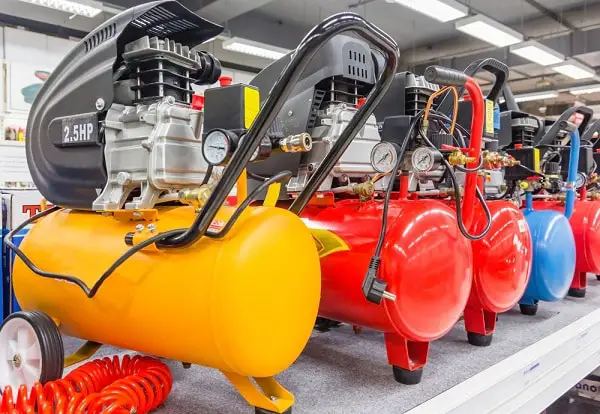
So there it is, a new door or deck sitting before you with a can of stain and a sprayer gun in your hands. You pull the trigger, nothin’! Or maybe its a sputtering, uneven mess.
The gun isnt usually the issue. Almost always it’s the compressor lurking behind you. Most folks purchase a good gun and an inexpensive compressor and ask why the heck does this finish look so bad?
The answer: Mismatched equipment. They’re fighting a losing battle. There’s no denying Wagner offers one of the most homeowner-friendly options in spray guns.
From basic HVLP units all the way up to more heavy-duty industrial ones, they has something for everyone. The company knows that since some paint sprayers are so expensive, most users don’t want to go into debt just to get a good system. However, there is a point where being affordable doesn’t matter because of physics.
You can’t get away with providing too little air pressure or volume to your Wagner gun. The result is poor atomization and a bad finish. Knowing exactly what your Wagner gun require from your compressor makes the difference between a weekend project gone right; or a lifelong headache.
How To Match Compressors With Wagner Sprayers
Understanding Air Pressure and Volume
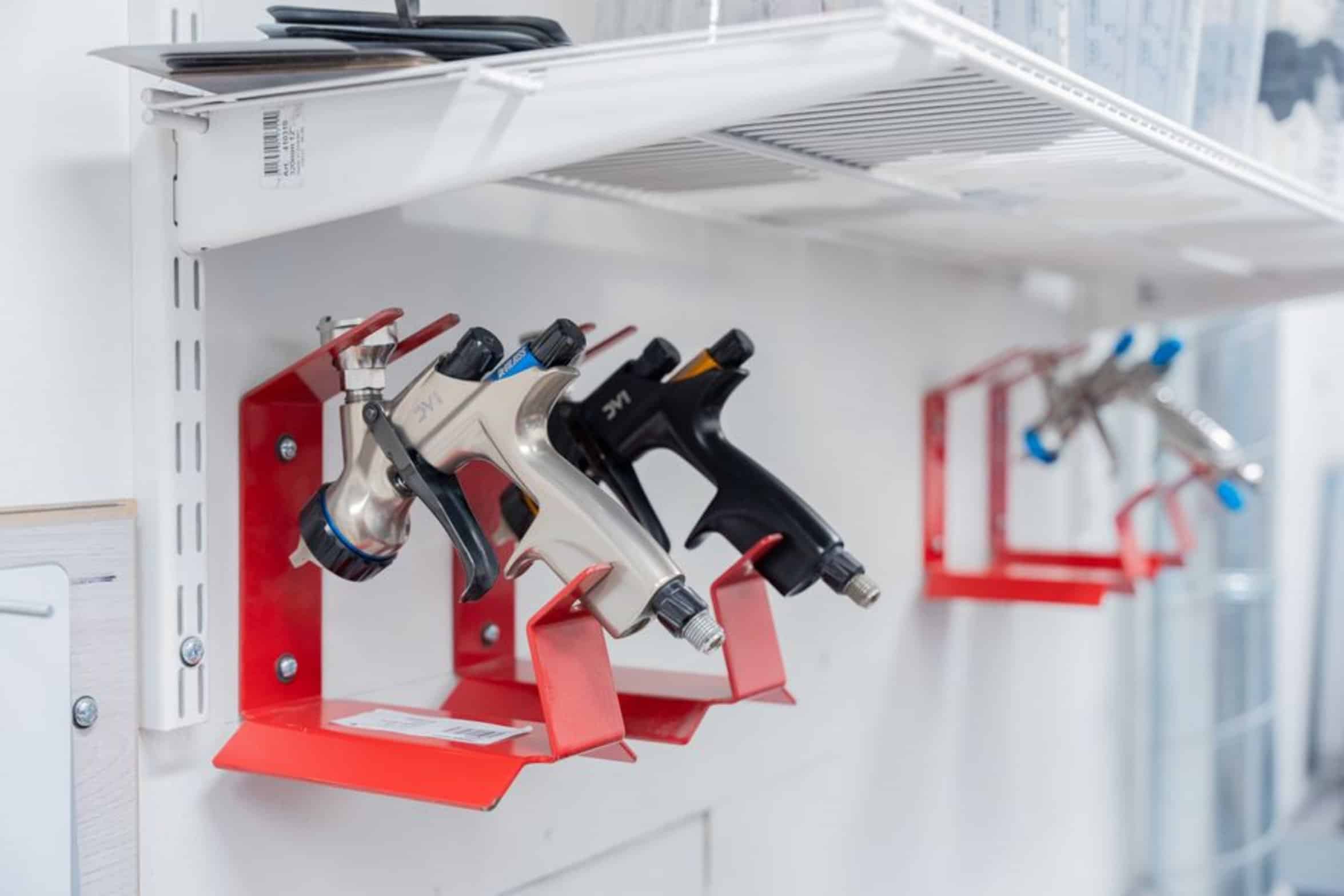
Understanding the difference between pressure and volume Pressure First, you must understand the difference between volume and pressure. Most individuals looks at the PSI rating on their compressor tank. If they need 40 PSI for a tool, they think that all compressors capable of reaching 40 PSI will do the job.
That’s very hazardous thinking. The PSI is simply the force of the air. Cubic feet per minute (CFM) is amount of air that flows through the hose.
HVLP Technology and Air Demand
Both are needed by your gun, but volume is more critical. Starve the gun of CFM and it doesn’t like it. The Wagner guns also operate well on less volume than the old pressure sprayers due to the high volume low pressure technology.
They pull a lot of air at low pressure to create an atomized material using HVLP technology. That means you get less bounce back and less overspray. It is also easier to handle and clean, but it requires a constant supply of air to keep operating.
The moment that air supply drops off, because your compressor can’t deliver, the air pressure drops and so does the spray pattern. The paint sag and runs again, wasting both materials and time. Take a look at the Wagner ControlMax 105, for example.
Matching Compressor to Sprayer Model

It’s one of the most popular fence- and deck-staining models on the market, and like all these tools, needs plenty of air to run properly. Look in the manual for the CFM needed at a given PSI. Before purchasing, compare those figures.
Your old pancake compressor outputs 2 CFM? That won’t do it. You’ll find yourself topping off the tank continually, and your gun will stutter with each stroke.
Get a compressor capable of delivering the steady airflow the gun demands, no struggle required. On the smaller end of the Wagner spectrum, such as the Flexio line, things differ. For smaller projects or furnitures projects, these units don’t require quite as large a compressor.
Small Projects and Duty Cycles
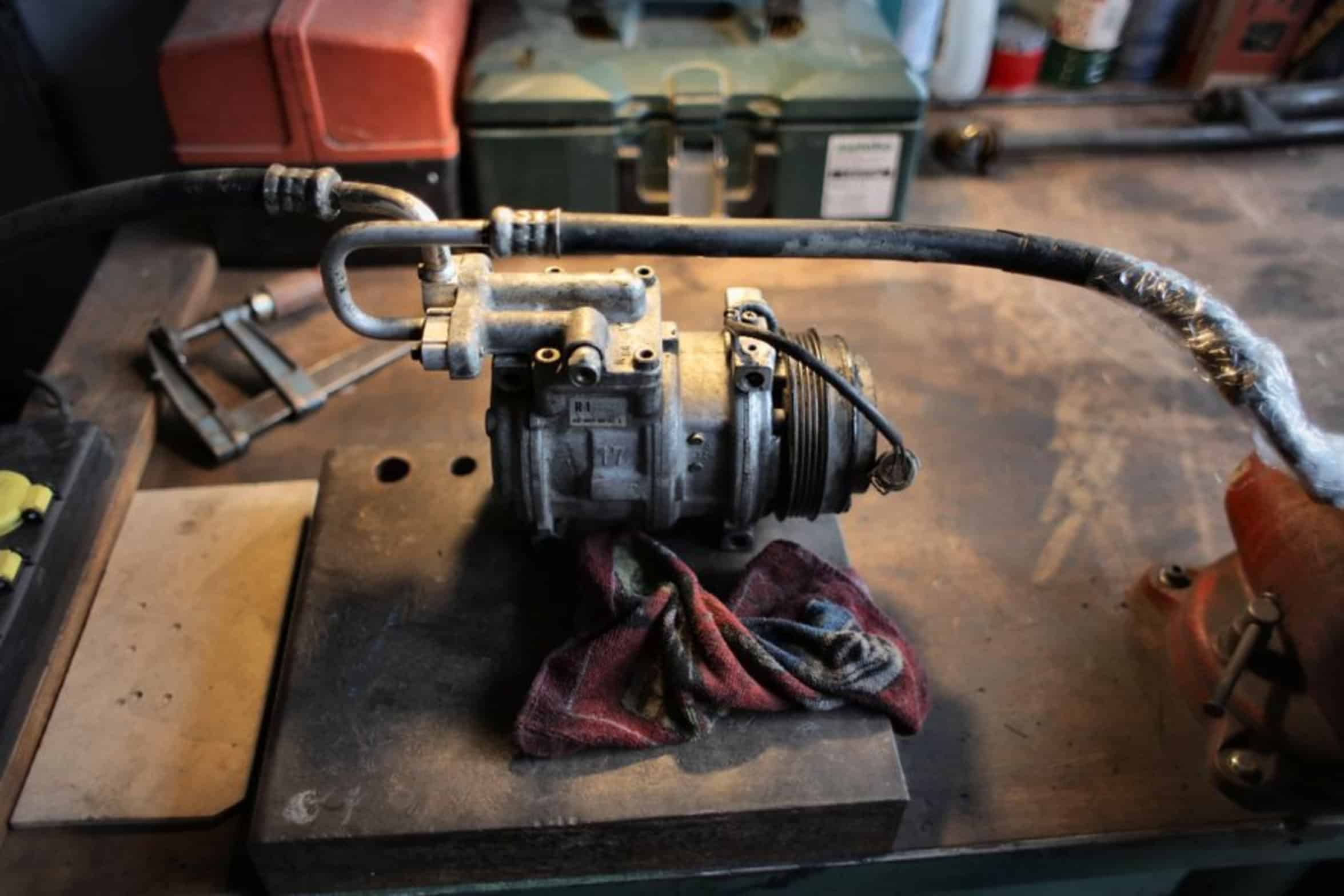
You can get away with a 6-gallon unit for small tasks with a Flexio 4000. But be aware that you are still pushing it in terms of duty cycle. Running the motor continuously just trying to catch up to the gun is asking for trouble.
Compressor needs time to refill and take a breath. For extended spray times (more than ten minutes), you’ll want a more powerful motor or bigger tank. Again, match your machine’s capacity to the scale of the task.
The Impact of Hose Length and Diameter
The other side of this compatibility issue that no one ever discusses is the dimensions of your hose. The longer your hose is, the more friction it has. This chokes the air coming through and restricts the airflow itself.
Throw on a 1/4-inch 50-foot hose with even the most powerful compressor and it will look like a wimp. In terms of transmission, you’re going to have lost both volume and pressure. When possible, go for the largest hose diameters you can and always use the shortest hose available.
This little tweak alone can make a mediocre compressor perform adequately. A lot of folks forget about this detail and end up pointing the finger at the wrong equipment, it’s a fairly inexpensive fix to a very common issue. Another limitation creates problems: electricity supply.
Electrical Requirements for Large Compressors
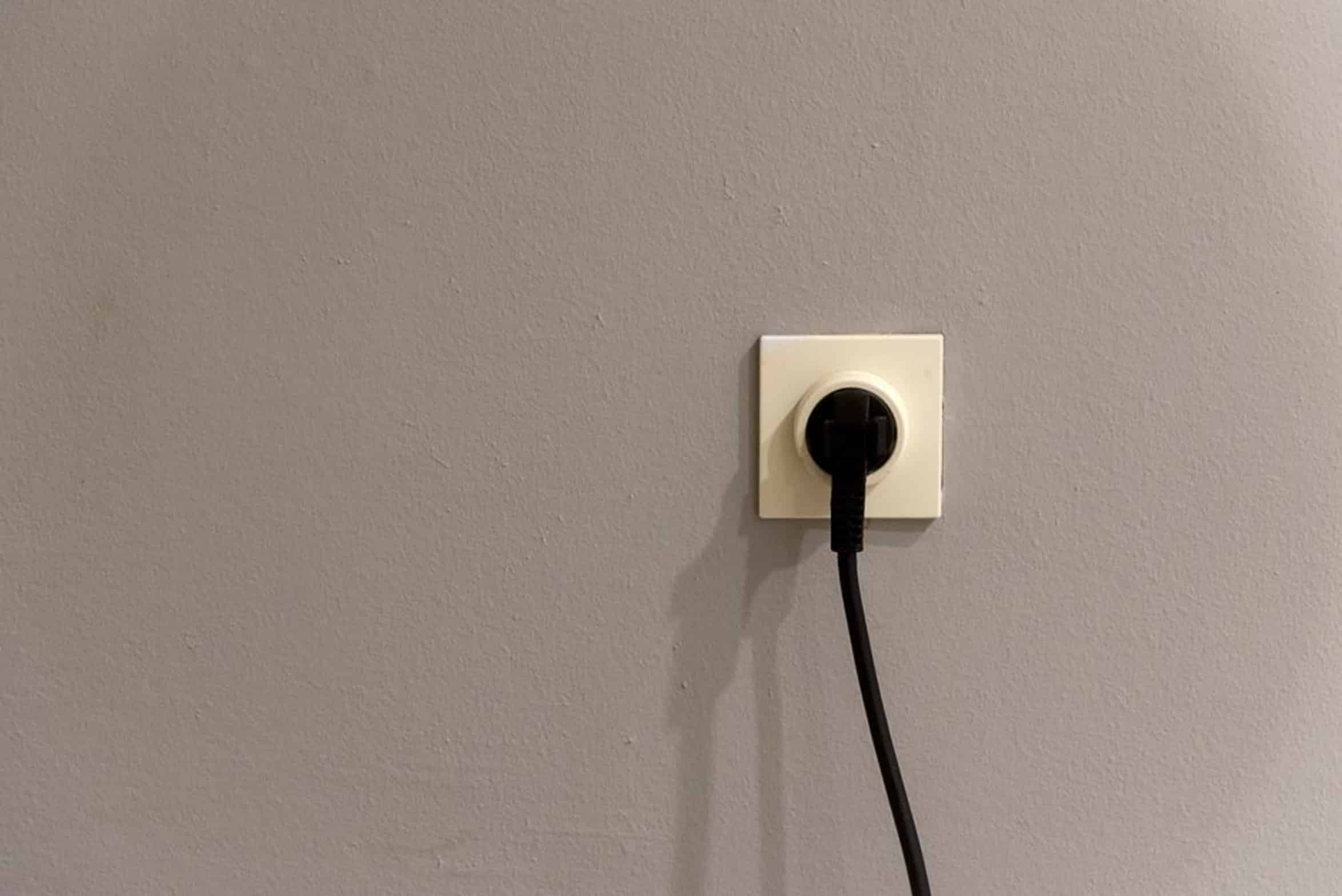
Most of us live in houses with 110-volt electrical service; big compressors requires 220-volts. Plugging a large compressor into a typical wall outlet is asking for trouble (you’ll blow a fuse or ruin a motor). So inspect your workshop’s power before purchase.
In some cases, the available electrical infrastructure within your garage may be the limiting factor… Not necessarily the size of the compressor. That’s a logistics issue that takes planning, and perhaps an electrician to install a new circuit.
And that’s money. It adds up fast. Choosing the right compressor for a Wagner gun affects the quality of the end product.
Buying the least expensive unit isn’t always the best choice. Selecting the right size compressor that matches your tool is all about how the tool works with the power source. If they are matched, then the work goes well, the finish is smooth and using it is fun.
If not, you struggle with the machine, blow through paint, and lose faith in yourself. So spend the extra few minutes checking the CFM and reading the spec sheets. Match the volume to the demand.
Your future projects will appreciate the effort.