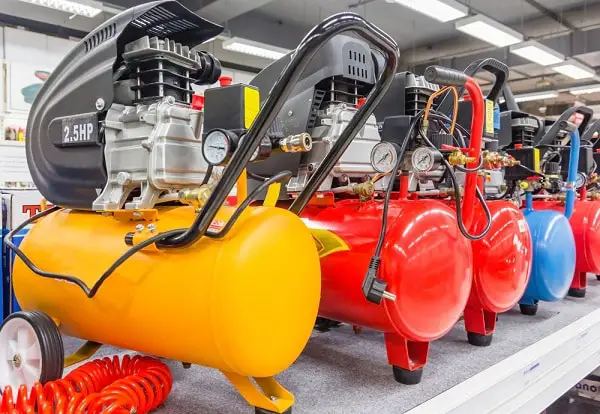
If you’re choosing to apply paint with a spray gun, you’ve reached an important decision. There are two types of spraying technique: one relies on high pressure to push paint through a tiny hole; the other use compressed air that breaks up the paint into a mist. Matching the right tool to the task involve knowing the difference between airless spray and air spray.
Key Differences Between Airless and Air Spray Systems
Choosing Between Airless and Air Spray
What kind of work is it? How large is the surface area? How much coverage do you need?
Evaluating Your Painting Project
And how textured is the surface? For touchups most people grab the roller for their walls and a brush for trim work. That is fine if it’s a minor job.
If however your goal is to paint a whole home or a large deck, a roller are awkward. It’s too slow and you’ll want even coverage. And you don’t want any brush stroke showing.
Time available for cleanup and the nature of the object you’re painting decide the correct sprayer. Compressor: Air spray guns uses a compressor to force air through a nozzle. You use a compressor to force air through a nozzle.
How Air Spray Guns Work
It use suction to pull paint out of a cup. As the paint come out of the cup it is mixed with air and atomized into fine mist when it hits the object. This results in a very smooth finish.
Systems such as these are standard for Cabinet refinishing and automotive work. They is made by brands like SATA and DeVilbiss. Because the coat is thin and even, you often don’t need to sand between coats.
If you want a perfect finish, air spray is your best bet.
Managing Overspray with Air Systems
Overspray: One trade-off for that smoothness is overspray. Because it’s a mist, you’re not putting product directly on the surface.
A slight breeze will send that mist drifting off into cars, siding, or even your windows. So plan to have a really calm day and be sure to carefully mask off area. For larger areas, this will take longer then another method since the volume of fluid being sprayed isn’t as much.
Think about it like airbrushing the wall. Skill and patience is required here. You cannot rush an air spray job without ruining finish.
How Airless Spray Systems Work
Airless spray systems is different. There’s no air being mixed with the paint. Instead, a small amount of high-pressure paint are forced through a very small tip.
That change in pressure break it into tiny droplets mechanically. Because there’s no air, that’s how it gets its name. Airless.
The output is massive compared to air spray. An entire exterior house job will be painted in a single day. These include units such as X5 or Magnum series from Graco.
Airless Sprayer Tips and Texture
Paints, primers, even thick stains flow through without issue. The faster you go, the lower the quality of the finish. Using an airless spray gun means that your finish has a bit of a rough coat.
It is not as smooth as air sprayed job. Texture on most exterior siding isn’t noticeable. On kitchen cabinet door it’s not acceptable.
Tip size determine both the fan width and the rate of flow. A smaller tip clog faster and is more controlled. Larger Tip = moves more, but needs clean paint.
You need to be sure to have good filtered paint. Each of these systems behave differently when it comes to overspray. The air spray gun produce a mist which is fine and light.
Comparing Cleanup and Setup
An airless spray gun produce a coarse mist which sticks more and goes farther. Airless paint will go into carpet fibers and wood grain if you don’t mask well. It’s also more difficult to clean up using an airless system as you have to flush out the whole hose line.
The good thing about an air spray gun is they come apart easy for cleaning. Bad thing is you have to maintain the compressor air lines or you’ll have problems. You should of maintain both systems well.
The two methods differ in set up time. Air compressor: It only take a minute or so for the compressor to build up pressure. Airless pump: It require priming, which will also take some time and may get messy.
Deciding Which Sprayer to Use
Once it starts, the airless unit are powerful. The air spray gun feel like a precision tool that requires a steadied hand. Fences is better with an airless unit.
A door is better with an air spray gun. So how do you decide? Is it surface finish or surface area?
When it comes to painting large areas of rough materials… Go for the airless sprayer. Does it matter if you’re working on something smooth, where appearance is important?
Go with the air spray system (the quality are there). Go with the wrong tool and you have to accept some compromise. Let the tool do the work, be careful about masking what’s around you.
Patience will dictate the best finish, just as your project require. It should of been a moddern approach for any luxurius home. Naturaly, you’ll want to avoid any mistakes when apply paint.
Most people find it more comfortabley once they practice. Actually, the airless sprayer is better than any other tool. If you dont have time, don’t do it.