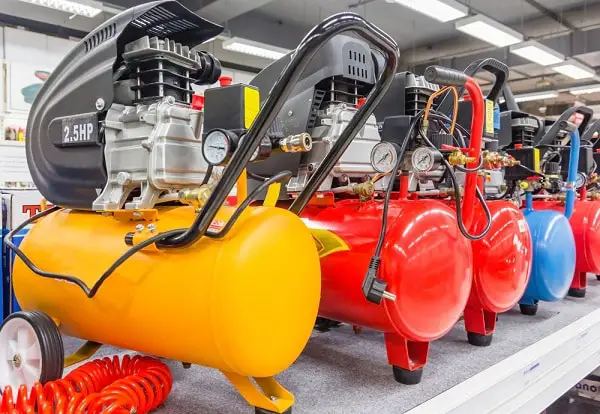
That’s the moment every irrigation tech dreads: You hook up an air hose, fire up the compressor and hear it start with a wet cough and then crack. Instead of coming out nozzle, the geyser comes from some unseene seam. Why?
Because you overdid it on winter blowout and pushed beyond safe PSI limit. A simple routine maintenance task turn into an urgent, expensive emergency repair. The common assumption most homeowner have is that it’s better to use high pressure because it will clean out your pipe better.
Understanding Sprinkler System Pressure Safety Limits
The Dangers of High Pressure Winter Blowouts
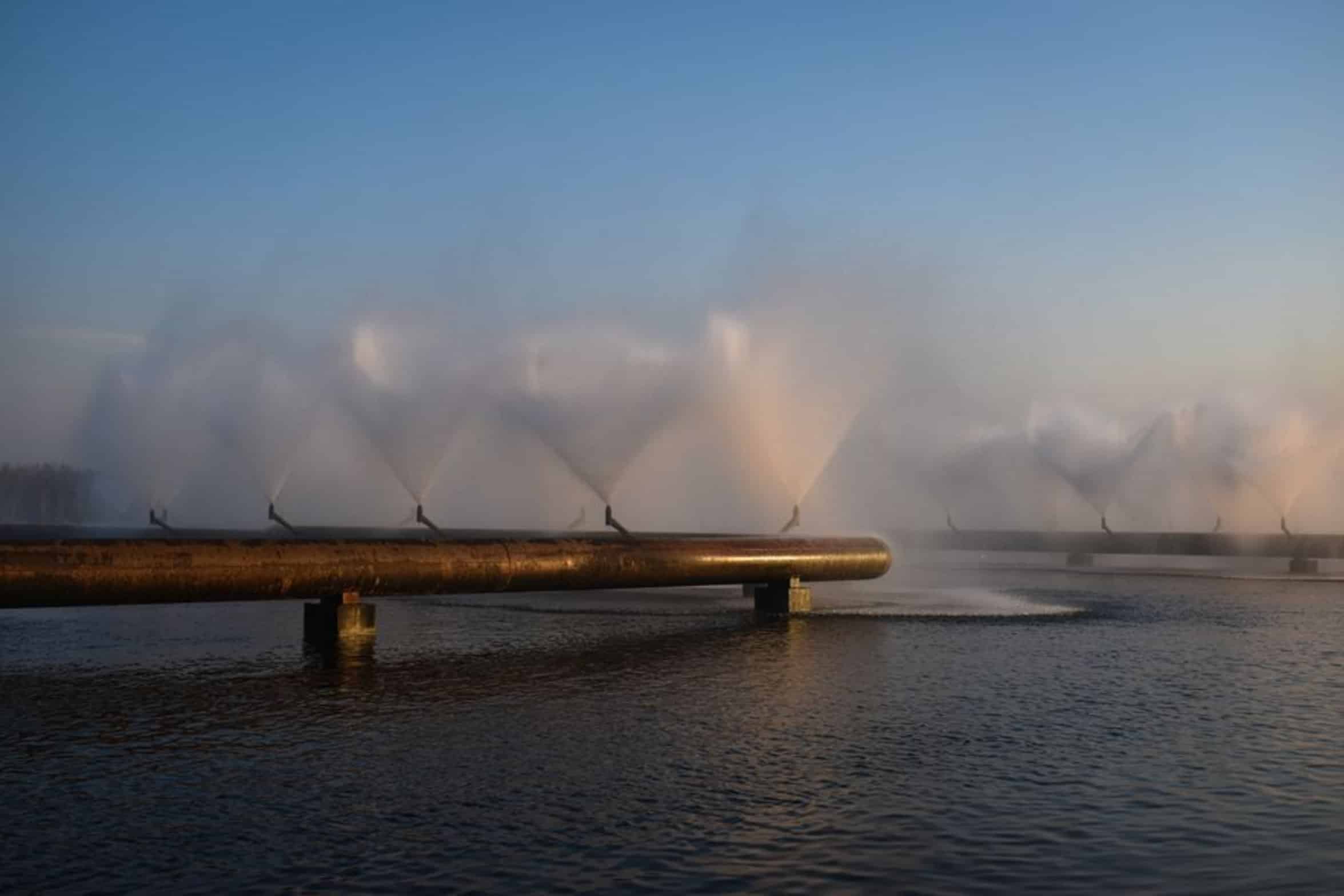
But air compresses different than water, because it contain energy that water doesn’t have. If you push the air through those pipes too forceful, you run the risk of tearing apart sprinkler head, rupturing PVC joint, or splitting apart mainline buried underground. The difference between a successful winterization and a catastrophic failure often come down to a single number on gauge.
Again: A sprinkler system was never meant to be compared to a pneumatic tool. That’s why the National Irrigation Association and such well-known manufacturer as Rain Bird and Hunter Industries have explicit instructions about their products. Their components aren’t designed for withstanding the kind of explosive power you get from compressed air but rather standard water pressure.
Push beyond those parameters, however, and you’re battling the engineering of equipment itself. No way will you succeed in that fight, except at the expense of your investment. Fifty PSI is what we call the “general” maximum for residential systems (at the point of connection).
Safe PSI Limits for PVC and HDPE Piping
Why? If you exceed 50 PSI, your air will flow too rapid to prevent shockwave damage to the interior of the pipes. It will also move fast enough to blow water around.
If you are using HDPE tubing (the big stuff used on large commercial system), you may be able to get away with going as high as 80 PSI. But for standard residential PVC piping, you cannot safely exceed 50 PSI. Your drying efficiency will barely improve, but your risk will increase a lot.
Avoid the temptation to look only at compressor tank gauge. Many do. This is a big mistake.
Using Pressure Regulators for Safety
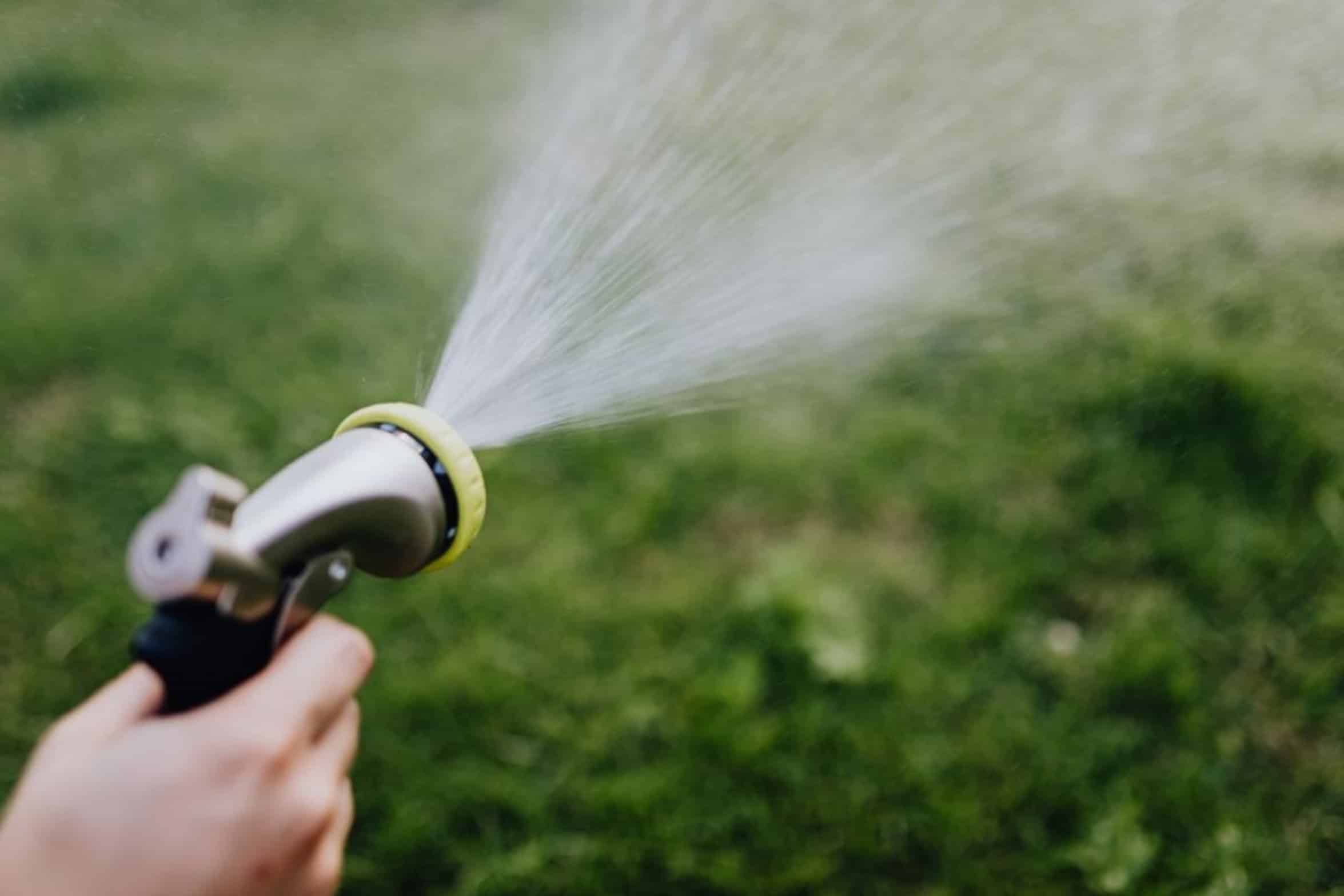
Air flowing through those long hose can drop a lot of pressure. While you may have 120 PSI in your tank, by the time it reaches your sprinkler valve there could be far less. At blowout point you need a pressure regulator.
This will ensure that no matter how strong your compressor is, the amount of air entering system remains in safe range. It protects from both compressor surges and human error. Pressure spikes can also be caused by improper compressor type.
Choosing Between Piston Compressors and Industrial Blowers
If you’re using one like you’d find in your home garage, that’s a single-stage piston compressor. These has a tendency to give large bursts of high pressure without regulation. The safe solution here is to use what’s commonly refered to as industrial blowers or air movers.
These are big air moving device. They push out a lot of air but do so with low pressure. This means they clear small lines better and is gentler on the pipes.
You may think it’s overkill but it keeps the rest of your system intact. Pressure isn’t the only thing that matters; flow rate matter too. The goal is to push all the water out of the furthest sprinkler head.
Prioritizing Flow Rate Over Pressure
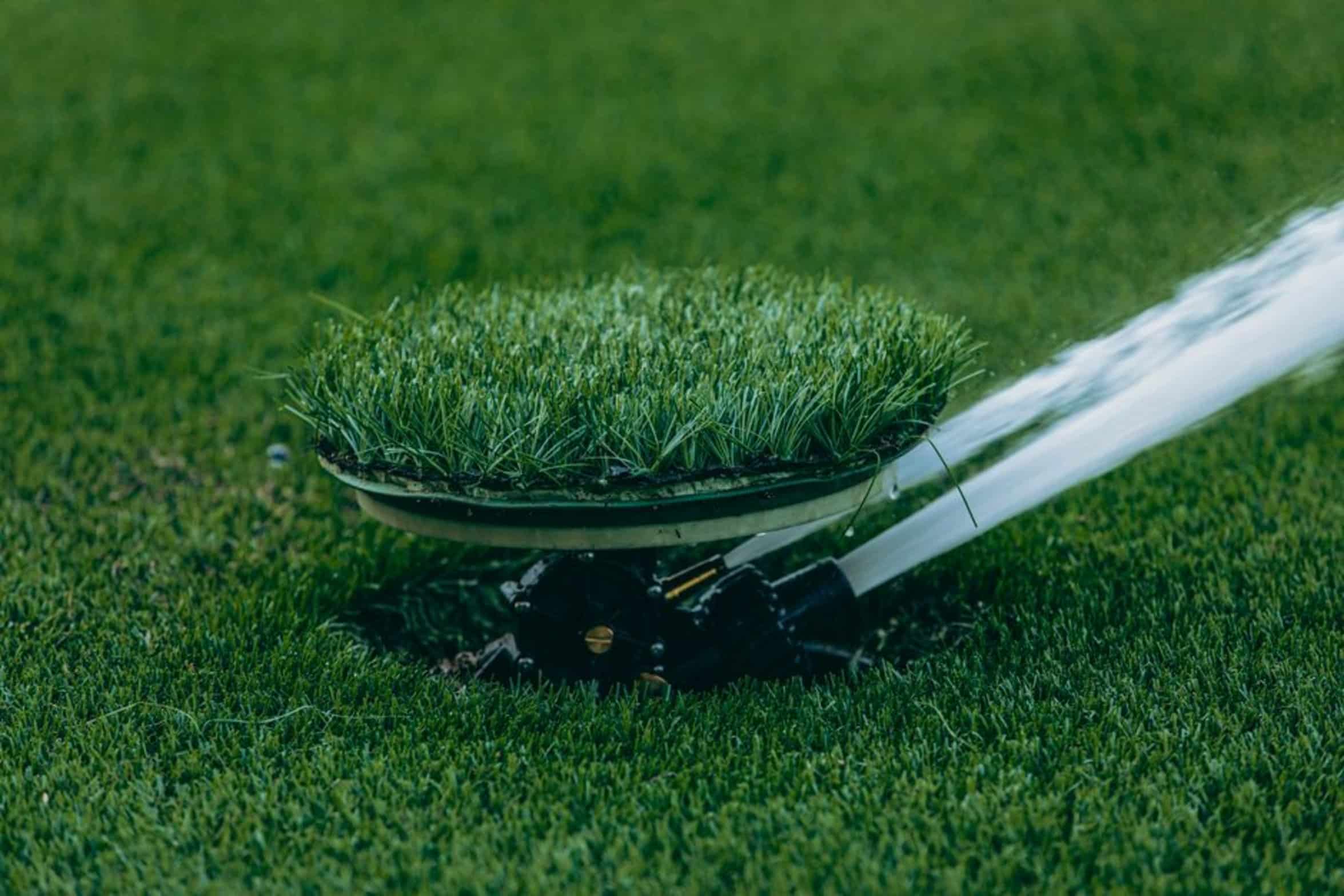
High pressure combined with low flow may be effective for blowing out closest sprinkler heads but leave water standing in distant ones. Moderate pressure and high flow blows through the whole zone. Watch each head until it stops spraying water and just mists.
Turn the air off as soon as the line is cleared. A little vibration from lingering air in a dry line isn’t anything to worry about, but the cracks come from too long exposure to high pressure. Your mantra for winterizing a system should of be prevention, not perfection.
The idea isn’t to wring it dry by forcing every bit of water from the lines. A slow, constant flow of air through the line at 50 psi or lower keep the pipes safe from freeze-related damage. Remember: don’t exceed what the materials in your soil can handle!
Controlling the pressure means you can get through the cold season with your sprinkler system intact and prepared to deliver water to your lawn come springtime. You want steady flow, low pressure, and intact pipe.