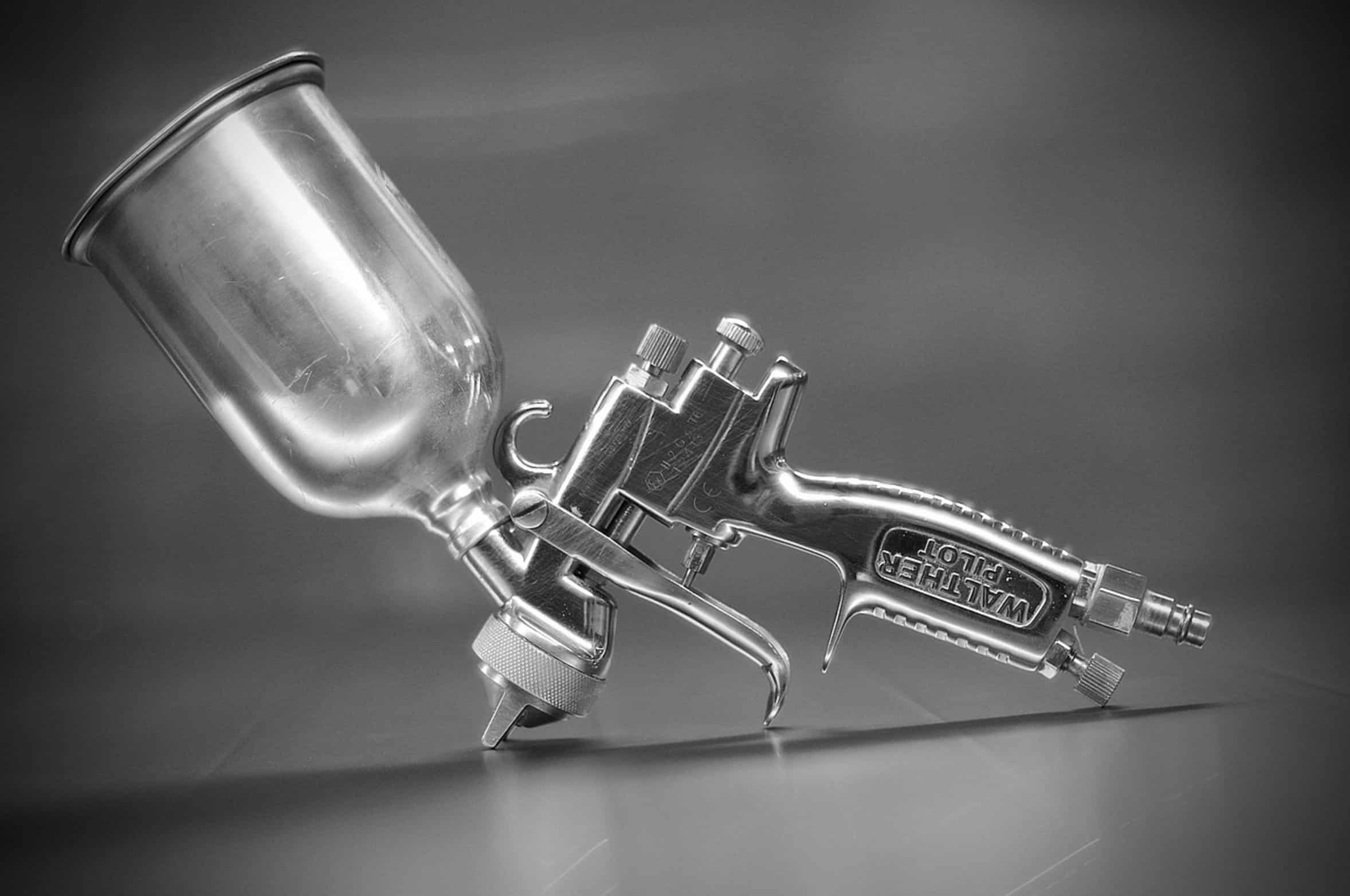
A spray gun has a nozzle assembly that can mean all the difference between rough texture and smooth finish. The biggest thing isn’t necessarily the brand name on the gun; it’s what size nozzle opening you select. Selecting the wrong size mean fighting with how the liquid moves.
Selecting the right size allow the material to flow smoothly. Nozzle selection come down to using the right-sized nozzle for the viscosity (thickness) of your material. It’s a matter of knowing where the sweet spot is between flow rate, thickness and atomization.
No, you don’t have to get a degree in engineering. You simply want to know what nozzle number corresponds with which material. There are clear coats and base coat.
How to Match Spray Gun Nozzles to Materials
Choosing the Right Nozzle Size
Clear coats and base coats does well with fine atomization. They’re formulated to lay down smooth. If the particle get too big, the finish will look rough.
Typically pros use a 1.3mm or 1.4mm nozzle for these jobs. A small opening produce a fine mist which lays down thin layer of material. Let the solvent evaporate before applying the next coat.
Applying a larger size tend to cause sags and runs. There is too much weight on the material for it to hold up. For topcoats keep to the smaller sizes.
This result in a more precise outcome and gives better gloss.
Spraying Clear Coats and Base Coats
For primer and filler, it’s another story. These products are thicker, so they must flow into cracks and other imperfections.
The goal with these is to fill in the holes versus merely covering over them. So a bigger 2.0mm or larger nozzle work really well because of the greater amount of material it pass at one time. It provide a wider spray pattern, which help ensure even coverage on big panels.
It also let much more material through without plugging up. This is because primer tend to contain larger particles that will plug up smaller nozzles. Don’t be afraid to use a bit of a wider spray pattern, don’t go looking for a fine mist here.
You want some substance! Going too small with your nozzle here are a frequent error. You will have to make multiple passes, which runs the risk of causing dry spray.
Dry spray occur when the material has landed before it’s settled. This leave an uneven surface that you then have to sand off. Avoid all that effort by going with a bigger nozzle.
Applying Primer and Filler
Somewhere in the center are single stage lacquers and enamels. These require both finish and color, all at once. Generally speaking you want about 1.4mm to 1.6mm nozzle here.
That’s because it’s neither too thick nor too thin. Thicker then a clear coat but thinner than a primer. You’re looking for some body so that your colors has depth.
If it’s too small, your color will be streaky and not very deep, almost pale. Too big and it run. Environment can change the viscosity.
Humidity and temperature affect this. Testing first on a scrap piece are recommended. The nozzle size will vary based off formulation and brand.
Tweak it up or down a bit to account for environmental conditions.
Using Single Stage Lacquers
Nozzle size is important for high viscosity materials such as body fillers and catalyzed primers. Use at least a 2.0mm nozzle if possible.
Even bigger on these items. Remember that these are paste type products. Mix them up and they won’t go through a small hole easy.
There is too much resistance. Pushing it will damage the seals on the gun. What happens is you don’t get a good spray pattern either.
It just blob. You want that fan shape on a spray which spreads the load. A big nozzle cut down on how hard you have to squeeze to force the material out.
That make it easier to handle the gun. When using heavy body fillers in particular, control is a factor. You do not want to add any texture to the surface.
You want it to be even. Nozzle size determine the weight of your spray. Follow a simple rule to match the nozzle to the material.
That save time. That keep you from clogging up. That give you a professional result.
The right size makes the job easy. The wrong size make it a chore. Examine your paint’s technical data sheet.
Often, it recommends the nozzle size. Follow that advice. There’s a reason they recommend what they do.
Use the correct parts. Respect your tool… Your gun (for an improved finish).
Right nozzle hole should of started the job right.