A spray gun come in two types: a siphon feed or gravity feed. A siphon feed has the paint below nozzle and gravity feed holds it above the nozzle. Depending on how you want to apply the paint, choose wisely.
Some require more control then others. Know what you’re painting, and know if you prefer a siphon or gravity feed. Most novice learn that applying paint is all about fluid dynamics.
How does your paint move? Too much or too little? Too fast or not fast enough?
Drips or uneven? Knowing makes for better painting. Knowing help you choose the right tool before you even open the can.
Key Differences Between Gravity and Siphon Feed Guns
Gravity Feed Spray Gun Advantages
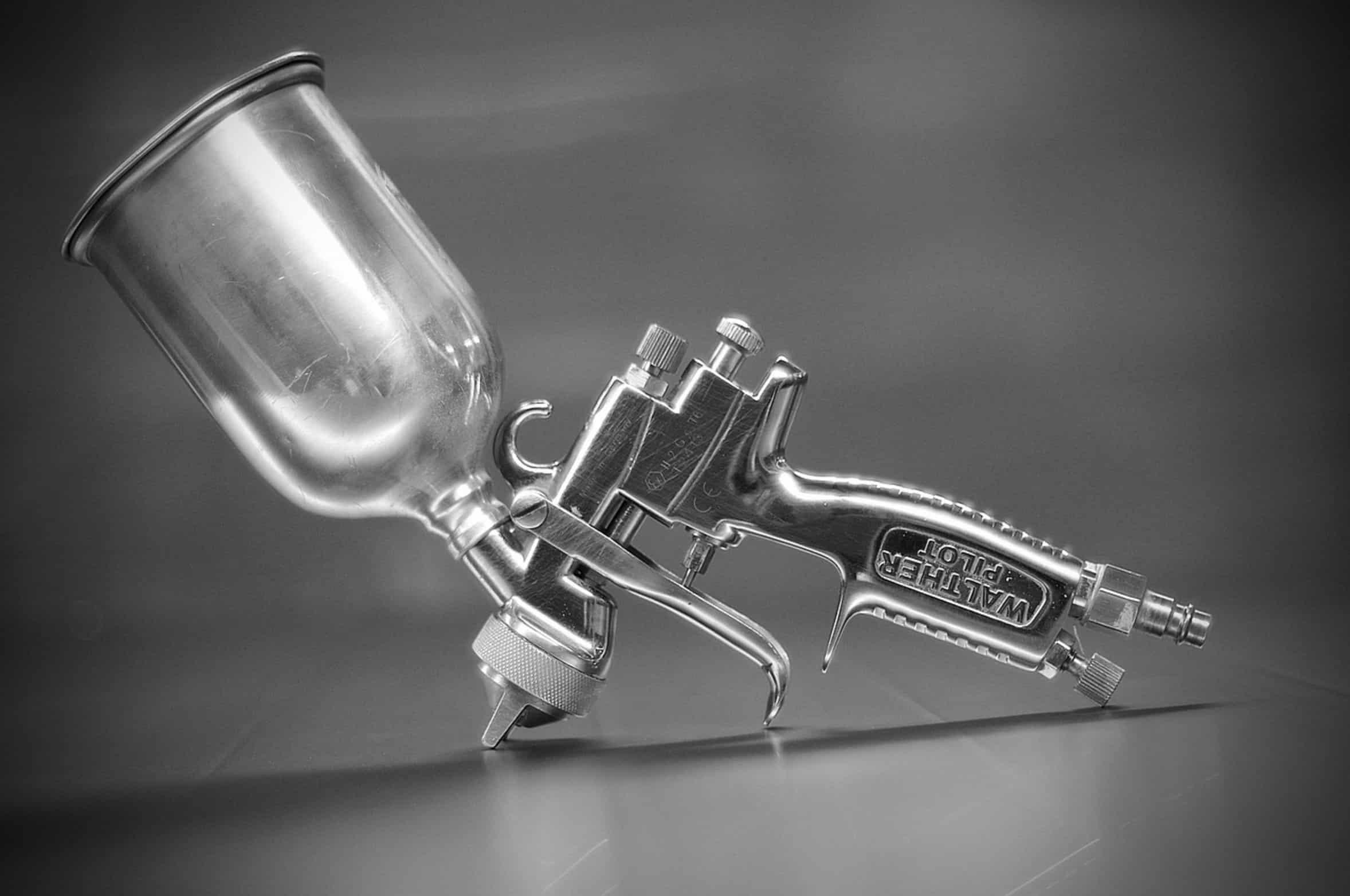
To achieve this, gravity feed guns (the kind where the paint cup sits atop the tool) is standard. Why? Because gravity helps push material into nozzle, requiring less air pressure to push it through gun.
Less air pressure mean less overspray and bounce off surface. A wetter coat means less waste. Finishes used in auto and furnitures refinishing require high quality.
This make the design ideal. Models from brands like Graco and Wagner offer this precision support. For that accuracy, however, you sacrifice what you see out of tip.
Gravity Feed Visibility Challenges
There’s no way to see through the cup on the top unless you look from the side or shoot it by feel. You have to get used to that blind spot. And as the paint starts running low, you need to pay attention to level of the cup because flow will start to get funky if you don’t keep it even.
It require a steady hand and anticipation to achieve a solid stream.
Siphon Feed Spray Gun Benefits
The siphon feed gun has a side (or bottom) mounted cup that draw paint upward against gravity. The result is keeping the cup hidden from view.
Because you can clearly see where you are pointing the tip, it’s better for spraying vertical surfaces and detail work around tight corners. For awkward angles, visibility edge is meaningful. If you’re accustomed to handheld spray cans, this is going to feel naturaly.
Siphon Feed Overspray Issues
But there’s a price to pay for good visibility. To really make the paint come up off surface you’ll have to run it with much higher air pressure. And with increased pressure you increase atomization, which usually mean more overspray as well.
Some of that material go into the air instead of onto your substrate. That means you’ll be using more paint per square inch to get coverage. Getting a nice heavy coat become difficult without risking drying on surface.
For large flat areas this inefficiency can add up fast.
Paint Viscosity and Thinning
The thickness of the material is also something to consider. Stains, primers and other heavier fluids is easier for gravity guns because they pull the denser liquid downward with force of gravity.
Thick paint presents issues on siphon guns without thinning. Thinners will affect dry time and durability and change chemistry of the product. Decide if being able to see what you’re working with outweighs the necessity of altering products.
Cleanup and Maintenance
Another consideration should of cleanup. Typically gravity feed cup come off easily and rinse clean. Siphon feed tube can get gunked up with residue inside suction line.
This make them difficult to flush out old paint. A gravity gun would be a bit more convenient if you change colors often. The simpler the flow path, it is easier to maintain.
Choosing the Right Spray Gun
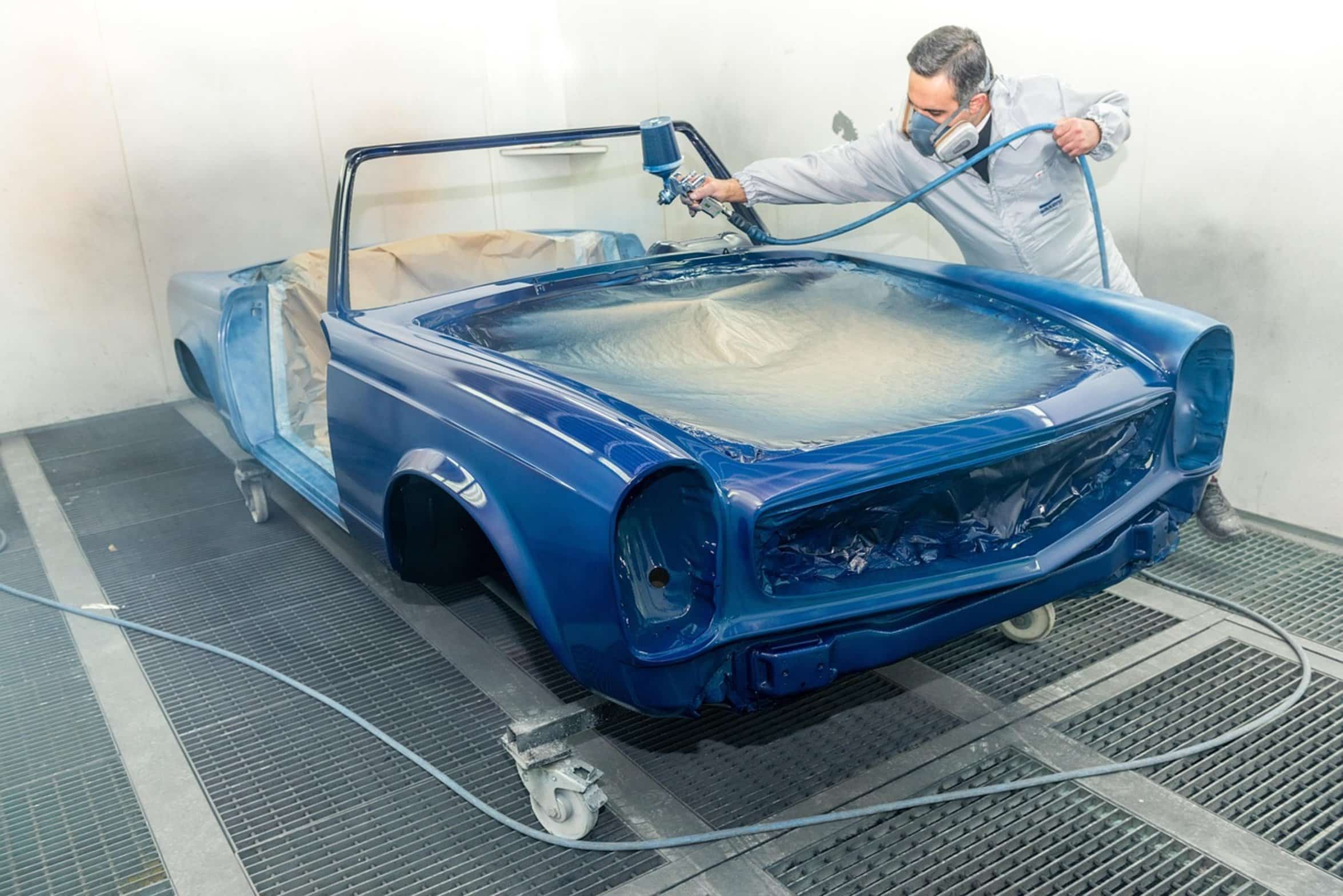
The right choice depend on your specific job. For refinished cabinets or a car door, go with gravity feed. It makes sense to learn the process for better finish.
For refinished cabinets or a car door, go with gravity feed as it makes sense to learn the process for better finish. For painting a big wall that might not be totally flat, or spraying something like a fence, you’ll have the reach and visibility of the siphon feed. Understand who and what you’re spraying and let the gun take care of the rest.