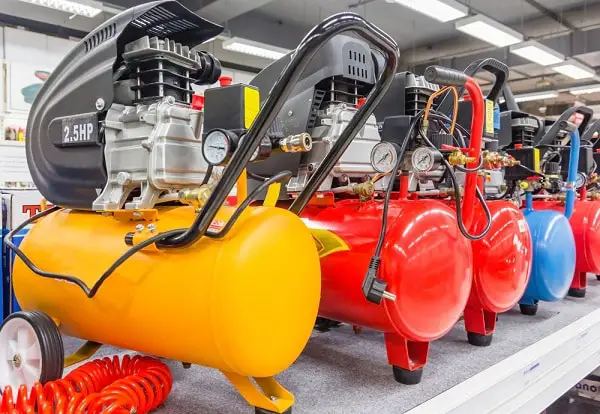
Compressed air is an essential component in many industries but moist air decreases it’s efficiency. Moisture corrodes metal air lines, gets into pneumatic tools, and causes premature failure of sensitive electronics before anyone notices something is wrong. Most folks believe that their air compressor removes moisture from the air.
While the compressor moves air, it doesn’t clean the air. That job are left up to the air dryer. For most commercial and industrial applications, the refrigerated compressed air dryer takes care of most of work.
To ensure consistent product quality, you should of have an understanding of how these devices operate so as to protect your downstream equipment. Air quality is often an after thought at many facilitys. Install a compressor (hope for the best).
This is not good over time. Water in the air line cause corrosion. Lube gets diluted.
Freezes in winter. A refrigerated dryer is the usual answer. It are reliable and energy efficient.
Complete Guide to Refrigerated Compressed Air Dryers
The Problem with Moisture in Compressed Air
Air is cooled to condense water vapor. Liquid drips out. The theory is simple, but the execution are not.
You must understand dew points. Getting it right saves money on repairs. Let’s start with the pressure dew point: what does it mean?
Understanding Pressure Dew Point
Well that sounds technical, but realy, it’s not. Pressure dew point is simply the temperature at which water vapor condenses (changes into liquid water) given a certain amount of pressure. So, refrigerated dryers drop the dew point down to approximately 38 degrees Fahrenheit, or 3 degrees celsius.
That’s enough for most typical industrial uses. As long as your air remain above that dew point, it shouldn’t cause line condensation. For more extreme dew points, you want a desiccant dryer.
But for typical shop air, you’re good with refrigerated units. They’re a great combination of price and performance. This process works like this: the compressed air is warm and moist.
How Refrigerated Dryers Work
Compressed air enters the dryer. It travels through an air-to-air heat exchanger. This warms up the dry air that exit the dryer and preools the incoming fresh air.
This recovers cold energy. This makes it more efficienty. Then the moist air come in contact with the refrigeration coil.
Here it quickly gets cooler. Moisture turns into water droplets. They fall into a collection chamber.
A drain automatically empty them. Air leaves the system slightly warmer. That temperature change matter.
If it goes out too cool, it’ll start getting damp again when it encounters warmer air in the room.) Where most people go wrong is selecting the proper size. Most people see the rated HP of their compressor and then select a dryer that matches there rating. Wrong!
Sizing Your Air Dryer Correctly
You size your dryer by the amount of airflow volume. Measure that in SCFM or CFM. The dryer’s rate is strict, while the compressor’s rate tend to be inflated.
So if you have an under sized dryer, you can’t pull enough moisture out of the line…so it stays there. If you get an oversized dryer, you waste both energy and money on the purchase. Read the manufacturer’s data sheets carefully.
Take into account ambient temperature and operating pressure. Hotter air will cut back capacity of the dryer. So a hotter shop requires more.
Impact of Ambient Conditions

More than many operators know, ambient conditions matter. For example, refrigerated dryers will operate well in temperatures of up to 100 degrees Fahrenheit. Above that, efficiency starts to decrease.
At some point, the refrigerant can’t sheds enough heat. If your environment lacks good ventilation (e.g., a foundry), then removing moisture might be difficult. Consider a larger unit, or perhaps forced air cooling.
Also factor in the inlet air temperature. Compressors produce heat, which means inlet air to the dryer is typically hot. The warmer the inlet air, the more work the unit need to do.
An aftercooler reduces this issue by lowering the air’s temperature before it reach the dryer. This stabilizes the dew point and prolongs the refrigerant life. When it comes to maintaining refrigerated compressed air dryers in shops, we often wait for problems before doing anything.
Essential Maintenance Tips
That’s not good. Dryers needs periodic care to perform properly. Oil and dust build on the air-to-air heat exchanger with use.
They create an insulating layer that blocks efficient heat transfer. This result in a higher dew point and moisture cycling back into the system. A clean exchanger is money well spent.
Filters are another consideration. Check them regularly. Airflow is restricted by clogged intake filters.
That result in a drop in pressure. Also check the drain valves. If they leak, you’re wasting compressed air.
If they become sticky, water backs up into the system. Both cost money. Maintaining records of your work will allow you to track how the equipment perform and when something might be headed for failure.
This area is dominated by brands such as Atlas Copco, Ingersoll Rand and Kaercher. Their unit are strong and have proven track records. When you shop around seek out models with efficient compressors and good thermal insulation.
Buying and Troubleshooting Advice
The energy costs starts to add up over time on the machine. Spending a little more upfront for a more efficient unit will pay for itself over time through electricity savings. Consider too the noise level.
Some dryers can be so noisy that it bothers other people working nearby. There are low noise units available. These tend to have slower fan speeds and include sound dampening materials.
This is important if your office is close to the plant room or it is an open plan facility. Don’t overlook comfort at work. The first step in troubleshooting a refrigerated dryer is typically testing the dew point.
Ideally, use a hand-held dew point monitor. Compare the read-out against what it’s supposed to be. If the measurement are greater then expected, inspect your heat exchanger(s) and filters.
Replace or clean where necessary. Test the refrigerant charge if the dryer continues to perform poorly after cleaning the filters and heat exchangers. Reduced refrigerant causes a reduction in cooling performance.
Most of the time this will be caused by a leak, not good. Leaks get progressively worse over time and require professional attention to repair. Regular visual inspection help you catch problems early.
Watch for ice forming on the coils. Ice signals one of two thing: either the system is running too cold or there’s insufficient airflow across the coil. Ice clogs the air passage.
To correct, either set the thermostat back or remove the blockage. Keep the system clean and properly charged to keep it running longer. A refrigerated dryer is also an investment that pays off with reliability.
It guards your products, as well as your tools, from a silent enemy: Moisture. By learning how it works and what it need, you insure reliable performance. Know the ambient conditions and do not guess at the size.
Be thoughtful when planning and diligent with care. Efficiency comes from dry air, which makes for trouble-free operations and keeps your products free from defects. Your diligence in choosing and maintaining your dryer will be rewarded with each stroke of your pneumatic tool.