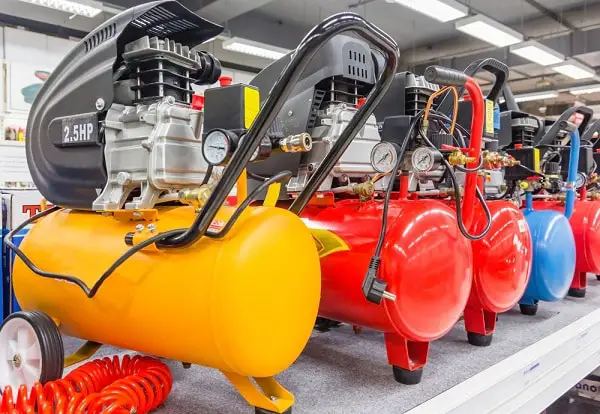
The problem with a shop compressor is that they’re loud, the hose gauge tend to be tiny and there’s no way of knowing whether you’re pumping five PSI in or fifty. A lot of folks just guess their way through it. They adds some air, go fast, and hope for the best.
Over-inflating can cause harsh rides and less tire traction, while under-inflation result in lower gas mileage and faster tire wear. It’s a little job that costs you big time on both your wallet and your safety. But it doesn’t have to be complicated.
A Step-By-Step Guide To Inflating Car Tires
The Dangers of Guessing Tire Pressure
And you don’t need to buy fancy gear to get it right. Know the numbers, know how the compressor operate, and respect both. If you’ve got one of those little pancake compressors at home (the kind you can pick up at Harbor Freight), you’ll tear up a tire if you’re not careful with that hose.
Whether you have a common pancake model or a heavier duty unit from Campbell Hausfeld, you need to use it in a way that keep you both accurate and safe. The pressure of your car is something you should of been absolutely clear about. It’s not printed on the side of your tires!
Finding Your Vehicle’s Recommended PSI
That is the max amount of air that can goes in that rubber shell without damage. Find the sticker inside the fuel filler door or on the driver side door jamb. Find the recommended PSI for normal load conditions.
Before turning on the compressor, write this number down, or better yet, adjust your tire gauge to read at this level so when you start pumping air into the valve stem, you don’t freak out because you can’t remember how high you’re supposed to go. There’s no prize for being fastest, just prepared.
Preparing for Safe Tire Inflation
Pull off the valve stem cap and stick it in your pocket.
Not onto the greasy shop floor. You’ll lose that thing. Losing the cap will let dirt and moisture wreck the valve core.
Before injecting any air, use a good digital gauge and verify the tire pressure. If it’s way down, add air in small, slow amounts. Be sure to keep nozzle firmly pressed onto the valve stem.
Properly Seating the Air Nozzle
It should seat all the way or at least click into place. A loose fit sprays air back into your face and also lets you think the tire is filled when it isn’t. When pulling the nozzle out, folks don’t hold on long enough or let go with air still coming.
Always let all of the hissing stop before letting go of the coupler. If you don’t seat the nozzle fully, you will hear air escape. Seat the nozzle again and repeat until it doesn’t happen any longer.
Pulling on a still-connected hose will cause the spring-loaded chuck’s mechanism to violent snap back. This will whip the hose around and cut you up. Patience will save both your sanity and fingers.
Inflating Tires Gradually and Accurately
Near final pressure, start checking often. Add air in short, one second spurts and check again using your gauge. It is easier to add air then to let it out.
Overshoot? On most tire gauges, you will probably pop a tiny button that releases air, but it won’t happen fast. Better to back off just a bit below your goal pressure and creep toward it slowly.
Accounting for Temperature and Maintenance
If your compressor has an onboard air filter, clean it. A plugged filter impedes airflow and causes the compressor to work too hard. This warms the air and can momentarily throw off the gauge reading.
Let the tire cool before topping off if the air feels warm to the touch. Hot air expands and will register higher than actualy pressure. Check the final pressure when the car’s sitting idle for a while or you’ve driven it around a little bit.
Temperature affects tire pressure. If you pumped them up in your cold garage, they may register low as soon as the engine warm the tire. Shoot for the door jamb number when the tires have warmed to their normal working temperature.
If you’re routinely low, check for slow leaks. Over the course of weeks, a bad valve core or even a puncture will drain off air pressure. That’s a little maintenance practice that pays off big time in longer tire life and better handling.
Let’s be honest: air fills tires; it doesn’t require brawn, but rather brain. Treat the hose with respect and let the compressor do the hard work of inflating. Pay attention to the gauge and don’t listen to the tire screaming for release.
When done right, an inflated tire is like riding on a spring. Solid yet responsive. Take your time, check the reading and drive off feeling comfortabley.