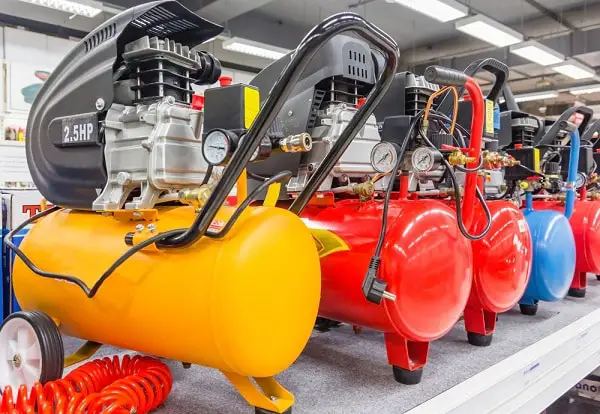
Here you are, standing in aisle staring at three similar-looking tools. Chuck openings? Check.
Do they make noise? Check. They promise to save time.
Check. Which will you grab? The one with the best battery?
The heaviest one? Chances is it’s a bad move. A tool isn’t just more powerful.
A tool is how that power get applied. Stripping screws makes for a bad day, so do broken bits and frustration. Understanding the reason make all the difference.
Choosing Between Impact Wrenches Drivers And Drills
The Power of Precision Over Guesswork
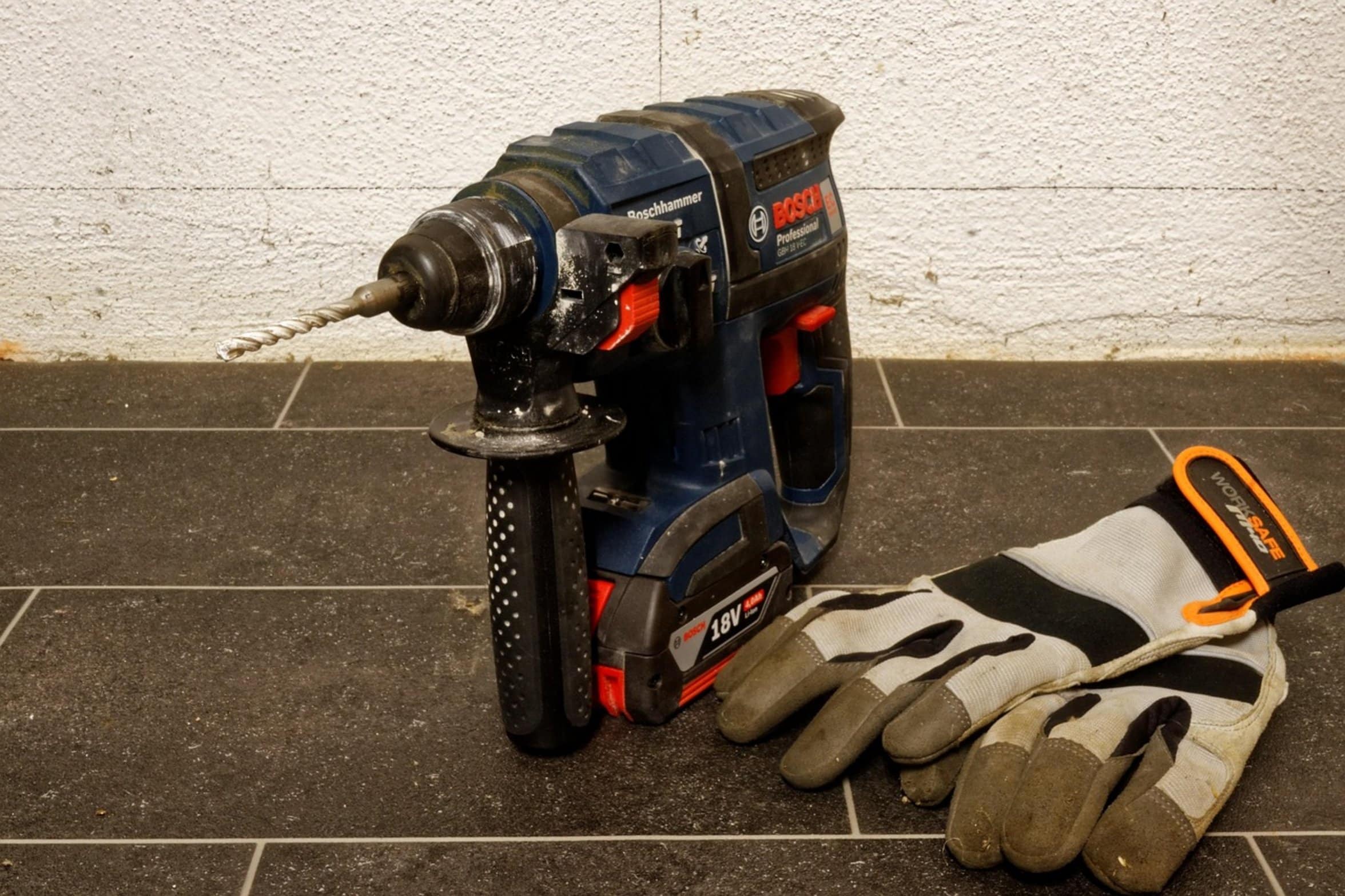
Choose precision instead of guesswork. Mechanics are a way to work smarter not harder. A drill is your shop’s generalist.
How Drills Work and When to Use Them
Squeeze the trigger and it just spins. Your finger regulates how fast. If you need to make a hole in metal, drywall, or wood…
That’s a drill! A drill has to be guided by steady rotation. Drills has a clutch which allow you to set the torque limit.
The clutch prevents screw from stripping when it seats flush. That’s the safe option on delicate work. It is a keyless chuck.
Most drills features one of these. The keyless chuck is made from metal jaws, which grip bit. Three jaw hold onto the shaft.
That design increase bulk and length at front end. This can be awkward in tight areas such as behind a cabinet. You must also tighten the chuck manually, which takes time.
Impact Drivers for Fast and Powerful Screw Driving
When building a deck or installing hinges, speed matter. An impact driver is smaller than a drill. Packs a punch.
In combination it provide bursts of rotational force rather then continuous rotation. Adds hammering action internally as well. This drive long screws in hard lumber.
Do not lean on it with your body weight. The tool do the work. It is great for assembly.
You have no control because there is no such thing as a clutch on an impact driver. Hold down the trigger and screw goes all the way until it bottoms out or the head snaps off. Don’t use it to drive screws into something soft like trim.
Use hex shank bits only. A regular drill bit has a round shaft that will spin around in the chuck. Separate them.
Using Impact Wrenches for Heavy Duty Bolts
For nuts and bolts: That’s what an impact wrench does. For wood screws? Nope.
Impact wrenches creates huge amounts of torque. They can be rated in foot-pounds. They are meant to turn items such as structural steel beams, bicycle pedals, and car lug nuts.
Their sockets has a square drive. It do not have a hex shank like a driver. They does not have a round bit like a drill.
That’s where compact comes into play. A small impact wrench fit in tight places. It still delivers thousands of inch-pounds of force.
Big hammer-style wrenches breaks loose rusty bolts. You’ll burn up your drill doing that. An impact driver might work on small bolts but will fail on heavy equipment.
Won’t do it on big stuff like equipement. Size matter. Pick the right tool for the bolt.
Matching Tools to Specific Project Needs
What’s the proper combo? It vary by project. If you are doing home renovation, you’ll need a drill (for hole boring).
You’ll want an impact driver (for screw driving) but not necessarily a big ol’ impact wrench. If you’re a mechanic, you’d want a heavy duty impact wrench (for tire turning), though maybe not a drill or even a driver. Maybe if you’re a do-it-yourselfer, you only has one tool, the drill.
Work slow and careful with that. Mix ‘em up and you break ‘em. The drill is for making holes.
The driver is for driving in screws. The wrench is for tightening bolts. Make sure they stays separate.
Use tools that fit your tasks. If you think of buying one, don’t get the biggest because you can use this for everything. Versatility is overrated when precision are required.
You’ll be fine and overrated. Get yourself a decent drill. Get an impact driver if you has trouble driving long screws.
Get an impact wrench if you service vehicles. When you know the power of the spin, you’ll never be confused again. Holes is drilled by continuous rotation.
Screws are driven in by rotational hammering. Bolts is broken loose by high torque impacts. Knowing which type of force is required will save you time.
Save you tools. It would of saved your sanity. Use the proper tool for the task.
And let it perform the task it was designed to do.