For do-it-yourself mechanics, there’s nothing worse than fighting with a rusty lug nut until it finally sounds like you’re stripping the metal away. A good impact wrench can make all the difference between a quick tire change and a waste of an afternoon. But how do you choose?
An impact wrench isn’t just about pure brute force. It is also about balancing speed and torque. You also need it to be comfortabley use in your workspace, no matter what car you are working on.
The idea is that bigger is always better. More air is good right? Wrong.
It’s a common myth that results in loud, huge compressor taking up space in your garage. When it comes to breaking loose lug nuts, you need that quick burst of rotating force but not prolonged, high speed drilling. You’re looking for a tool that hammer through corrosion rapidy and lets go.
What makes the difference is torque, air consumption, and drive size. What really breaks this nut? Understanding these factors will save you both headache and hard earned cash on the job.
How To Choose The Right Air Impact Wrench
Understanding Drive Sizes and Torque Ratings
The drive size determine how much torque the tool can output. You won’t get very far if you’re using a quarter inch drive on stubborn lug nuts or heavy trucks. This drive is just not strong enough to break through severe corrosion.
The standard automotive drive is half-inch. It provides enough rotational mass and a good array of socket sizes for use on light trucks and most passenger vehicles. One-inch drives is sometimes necessary for big machinery and large rigs.
Half-inch drives strike the sweet spot for the vast number of home garage uses. They are not too unwieldy and has more than enough oomph to tackle nearly anything on four wheels. The second big consideration is torque ratings, and you must read them correctly.
Companies publishes a large “breakaway” torque rating which looks great in print. What does that mean? It means that’s the most amount of force the tool will put out on one blow.
But then there’s the average torque rating and that will tell you what the tool puts out on average. That is its consistent output when working normally. If your average torque rating are lower than its “breakaway” rating, the tool may struggle to start loosening the nuts.
Plus, because it strains so hard trying to hit full strength, it can overheat and burn up faster. So look for a healthy combination of both, something with a good strong average torque so it won’t wear out your motor while still having enough punch to get the job done.
Matching Air Compressor Capacity
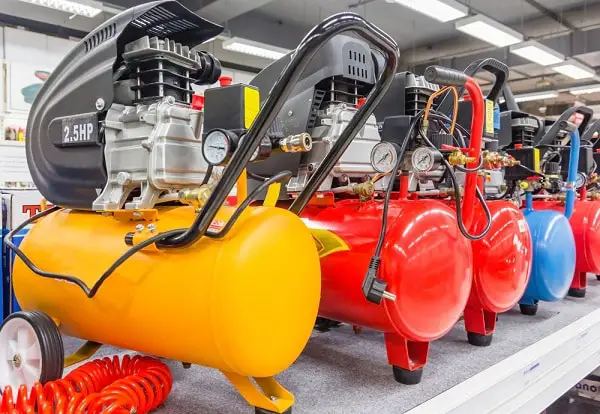
In order to operate the tool, you’ll need to know how much CFM (air consumption) your compressor can provide.
And here’s where most buyer get stuck. They purchase a bad-to-the-bone wrench without adequate air support. A typical half-inch impact requires from 4-8CFM @ 90PSI.
If you’ve got a small shop compressor, it may be refilling to slowly to keep pace with the bursts. You’re going to have to wait for the tank to recharge after every nut. Not good.
Kills your flow. Makes the project tedious. Know your compressor output compared to the tool CFM rating.
If they don’t match up, it may be time for another compressor with a higher duty cycle or a bigger tank. Don’t overlook the spec. This determine whether your tool will actualy work well.
Choosing Brand Quality and Ergonomics
Longevity is largely about brand reputation and build quality. Brands with reputations like Ingersoll Rand, DeWalt, Milwaukee etc., generally have tools that will last through repeated use. They know how to manufacture consistantly and invest in good internals.
Even if they are sitting right next to an identical looking knockoff at the store, the cheaper version won’t be as well built or able to handle the stress of repeated impacts over time. Poorer quality versions of these tools often suffer a quick breakdown of the internal hammer mechanism which cause leaks and a loss of torque output. Paying a bit more for a known name brand will pay off in reliability.
You don’t want a tool that only lasts one season but rather something you can keep for several seasons of weekend projects. When working underneath a raised vehicle, ergonomics are everything. A poorly designed handle or a heavy impact wrench can be annoying.
You’ll wrestle more with the tool then you do with the lug nuts. Seek out well balanced tools with good grip texturing. Many new impact wrenches has variable speed trigger options.
This allows for better control, which helps you avoid overtightening nuts as you tighten them. A good feeling tool also helps prevent fatigue. It enables you to concentrate on the task instead of wrestling with your tool.
Final Tips for Selection
So in conclusion: Your best lug nut air impact wrench is whatever works best for you. A big name brand at a half inch with a lot of torque would work great if you can run something like that off a good compressor. An air-efficient model that requires less CFM might be best for someone who has to conserve their air supply.
Don’t fall down the rabbit hole of spec sheet specs and seek out the middle ground that best suits what you need to do. The right air impact wrench doesn’t just make changing lug nuts an easy task; it transforms it into a simple part of regular maintenance. And when it’s time to change out a wheel, regardless of how tough those lug nuts might appear to be, you know you could of had this.