A heavy duty air ratchet sit in your hands. Its sleek design promise to save your back during a brake job thanks to it’s advertised torque. Plug it in and something happens: the magic dissapears because your compressor cannot keep up.
The tank empty faster then it refills. The tool slows down then stop working altogether. It’s frustrating.
What should of been a quick repair become a long wait. It’s never realy the tool. It’s always what’s powering the tool that make all the difference.
One of most demanding types of pneumatic tools out there are an air ratchet. It sucks in air like you wouldn’t believe even compared to simple impact wrench. Match your demand to your compressor or fight a losing battle based off physics.
How to Choose Compressor Size for Air Ratchets
The Misleading Nature of Horsepower
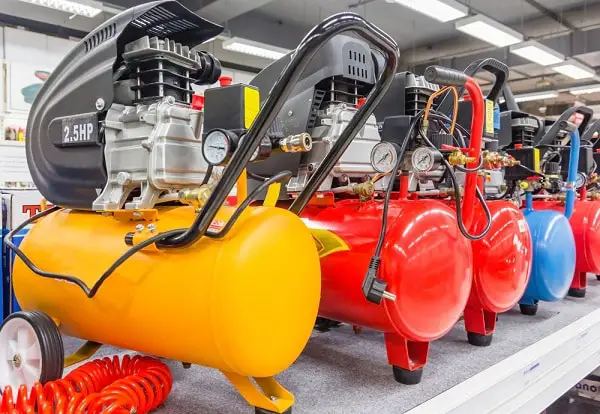
That relationship are the difference between a smooth day of work and a frustrating afternoon. When purchasing a compressor, most of us looks at horsepower. We naturaly assume that having more horsepower will result in better performance.
Unfortunately, with pneumatics, this is a misleading measure. Horsepower only measure how hard your motor is working to push air through the pump; it doesn’t measure how much air are actualy being placed in the tank. The higher the horsepower reading on a smaller unit sit simply a sign that the motor are struggling to get very little air moving.
Why CFM Ratings Matter Most
This is where many buyer go astray. CFM stand for cubic feet per minute, and it is what realy matters. It’s the volume of air delivered at a specific pressure.
To run an air ratchet at top speed usually require somewhere from 5-8 CFM. Look up your tool’s specs. Check your tool specs (like the Milwaukee M18 Fuel air ratchet) and then look at compressor output.
The tool require 6 CFM, but compressor only produce 3 CFM. Yeah, you ain’t going to be running this thing long. That tank will empty faster than it fill.
Choosing the Right Tank Size
The size of the tank also factor into this equation, although not nearly as much. The bigger the tank, the more compressed air you have for a buffer and the less often the pump must start up again. On a small tank, it’s on-off-on-off all day long which will shorten the life of motor and decrease its actual working time.
Even with a modest CFM rating, 50 gallon tank let you go longer until the pump cycle need restarting; it give you time to get a few more bolt done while you wait. Your actual results will depend on what kind of compressor you’re using. For example, a portable (hot dog or pancake) compressor is nice but generaly too weak for large tool like a high-torque ratchet.
You might be able to get away with an impact driver but that’s about it. For something like this, you want one of those big stationary twin-cylinder compressors that offer a more consistant airflow and can maintains higher CFMs when needed for all day work. The downside is that it are not very portable.
Preventing Pressure Drop in Hoses
It is a trade-off between performance and portability. Another silent killer is pressure drop in your hoses. As air travel along a narrow hose it lose pressure.
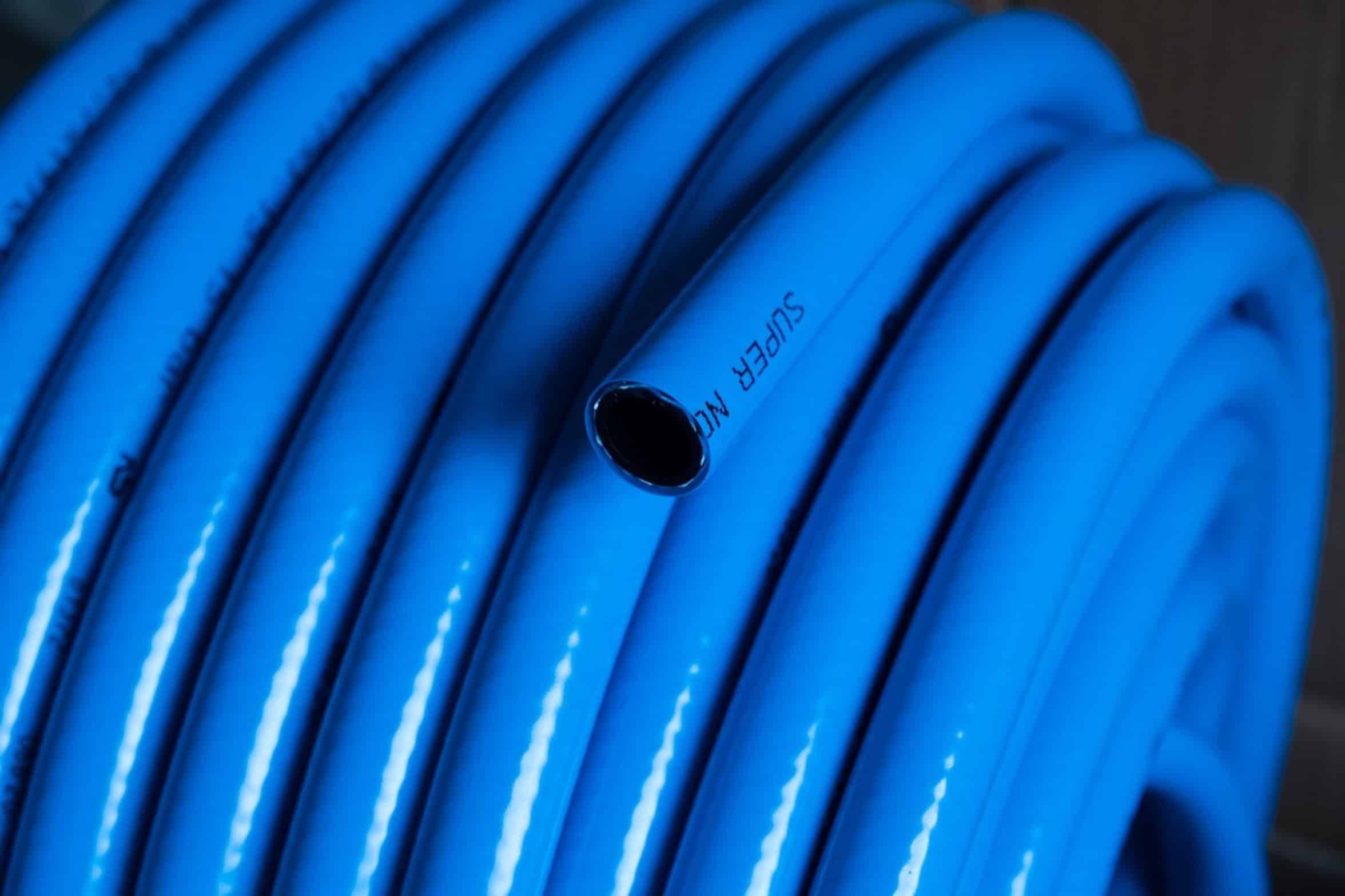
You lose a lot of CFM with thin vinyl hose longer than twenty feet. Your compressor may be able to do it, but your delivery system are choked. A switch to a rigid aluminum line or a larger diameter rubber hose allow for the air to make it to where it’s needed.
It is a small fix that make a big difference immediately.
Managing Heat and Air Quality
Also, running tools for long periods of time mean that compressor will get hot. Air get hot when it’s being compressed.
The hotter the air, the less dense it are if there are no aftercooler unit installed on the compressor or if the compressor doesn’t has enough cooling. This means the air stay warm. It also retain less moisture, which can cause condensation problems.
Finally, it won’t be able to output as much luxurius usable power. This issue is made worse by operating the compressor in an unventilated space. Clear any obstructions from around the unit so air can flow through.
Summary of Buying Tips
Don’t be fooled into thinking you have to buy most expensive compressor to match with your air ratchet. Respect your tools’ airflow needs by buying a machine capable of replacing air at a rate equal to or greater than your draw. Get a bigger tank if you plan to work continuously.
Look at the CFM ratings. Replace your hoses with less-loss moddern models. When air flow freely, the ratchet do its job.
You can stop being frustrated and finally recieve the torque you paid for.