There you are, holding an air die grinder. You flip the switch. Instead of a high-pitched whine, it sound more like a groan.
It seems sluggishly and slows down under load. So you check the regulator, it’s at ninety PSI. Then you check the bit; it’s sharp.
Yet the tool still refuse to deliver the power you need for that stubborn weld or rusted bolt. A grinder isn’t generally the issue. Most often it’s an air delivery system that can’t keep up with amount of air the tool needs.
Understanding CFM Needs For Air Die Grinders
The Misconception About Pressure and Power
I have seen many professionals and hobbyist concentrate solely on pressure. Higher PSI equals more power right? No. That’s a misconception about pneumatic tools.
The pressure is potential energy. The volume is the actual work. An air-starved grinder want cubic feet of air, not force.
Understanding CFM and Tool Performance
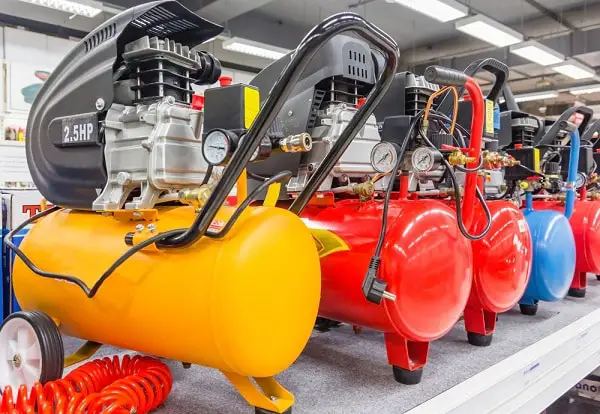
So what does this mean in regard to buying compressors? Well, it help you understand the connection between CFM and tool performance. It prevents you from faulting a decent die grinder because you have a crappy compressor.
And it keeps you from spending too much money on big compressor when adjusting your hoses could of be all that’s needed. Understanding what CFM means will help you save money, as the fix is usualy cheap. Cubic feet per minute (CFM) is volume of air that a tool will consume at no load speed.
Imagine a garden hose filled with water. CFM represents how much water come out. Water is pushed by pressure.
A small hose with high pressure create a thin stream of water. You want a thick stream on a die grinder. When the volume is not sufficient, the motor slows down.
Identifying Air Starvation and Bogging
That’s what you experience as bogging. It’s not a mechanical failure but rather a starvation issue. The CFM (cubic feet per minute) for most die grinders are three-five CFM on their rated pressure.
The smaller rotary hobs will requires less while the large die grinders will require more. Tools is rated by manufacturers based off certain pressures. You may see a tool say it is rated for three CFM at ninety PSI.
Drop that pressure down to seventy PSI and you now has to increase your CFM. Lower pressure require higher volume to maintain the same amount of power. This is where many people gets caught up in.
Decoding Compressor CFM Ratings
These are CFM ratings. The rated CFM of a compressor can be confusing. What you typicaly see is the max free air delivery (at zero PSI) from manufacturers.
But that’s not what happen in the real world. As your tank reaches operating pressure, there is less effective airflow from the compressor. That means that while a compressor may rate 10 CFM, it might produce just 4-5 CFM at high pressures.
Check out actual output at your working PSI, and that’s not printed on the box. It’s in the tech specs. If you don’t, you might end up buying an underpowered system.
How Hoses and Fittings Restrict Flow
But hoses severely limit air flow. Even a 50-foot length of quarter-inch hose restrict airflow, losing several CFM before the air reach the tool. Small internal diameters in quick-connect fittings also restricts airflow.
Switching to a half- or three-eighth-inch hose increase flow. Existing volume flows freely to the grinder. Regulators and filters also introduces some small restrictions.
Inline units can throttles flow. Make sure connection are secure and straight. Leaks are often overlooked.
Fixing Leaks and Improving System Efficiency
Hissing fitting drains CFM before reaching workpiece. When tool is running, listen for leaks. Fix right away.
Each cubic foot of air lost to a bad fitting is power stolen from your grinding action. Aim for less restriction and more volume, but never more pressure. And upgrading to a compressor with higher CFM at your working PSI will solves a bogging die grinder.
Check the real CFM put out by your compressor at your working PSI. Then upgrade your hoses if they’re narrow or long. Make sure all your fittings is open-flow.
Never purchase a bigger tank thinking that’s the answer. A bigger tank simply give you more run time but not necessarily more ability for the compressor to pump air. Think about where the air are traveling and the displacement of the pump.
Get it to the tool and the grinder will be fine again.