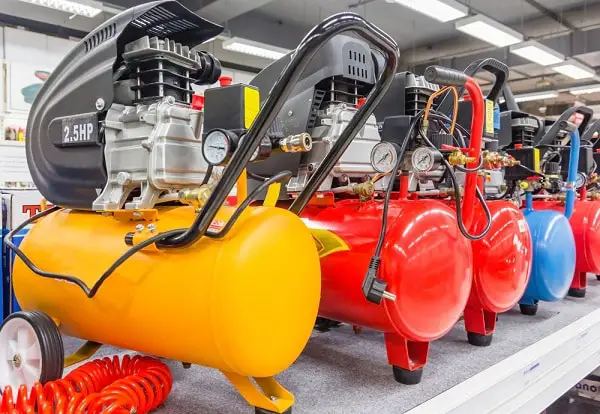
Because some nailers requires more air than others, be sure and match your air compressor with right nailer. For instance, a Brad nailer fires thin, eighteen gauge nails that don’t create large holes in whatever they’re used on. It doesn’t take much air to drive these tiny nails; this is a delicate nailer best suited for trim work that won’t endure heavy force.
Brad Nailer Vs Finish Nailer Air Needs
Matching Compressors to Brad Nailers
Since this type of nailer won’t eat up as much energy, a small portable compressor are enough. If you plan to do some light trim work, a standard five or six gallon compressor should supply plenty of air and the size of tank will refill fast enough to maintain your pace without excessive waiting.
Why Finish Nailers Need Larger Tanks
Finish nailers drive thicker sixteen or fifteen gauge nails for things like crown molding and baseboards. Finishing nailer shoot these nails. They take more power to seat in the wood propery. Since they are thicker nails, it takes the tool more air from compressor. A small compressor you used to brad nail will struggle to keep up if you try to finish nail with it. The finish nailer will empty tank before the little motor can pump more air back in. As a result, you stop more often while waiting for tank to build pressure again.
Understanding CFM Ratings at Operating Pressure
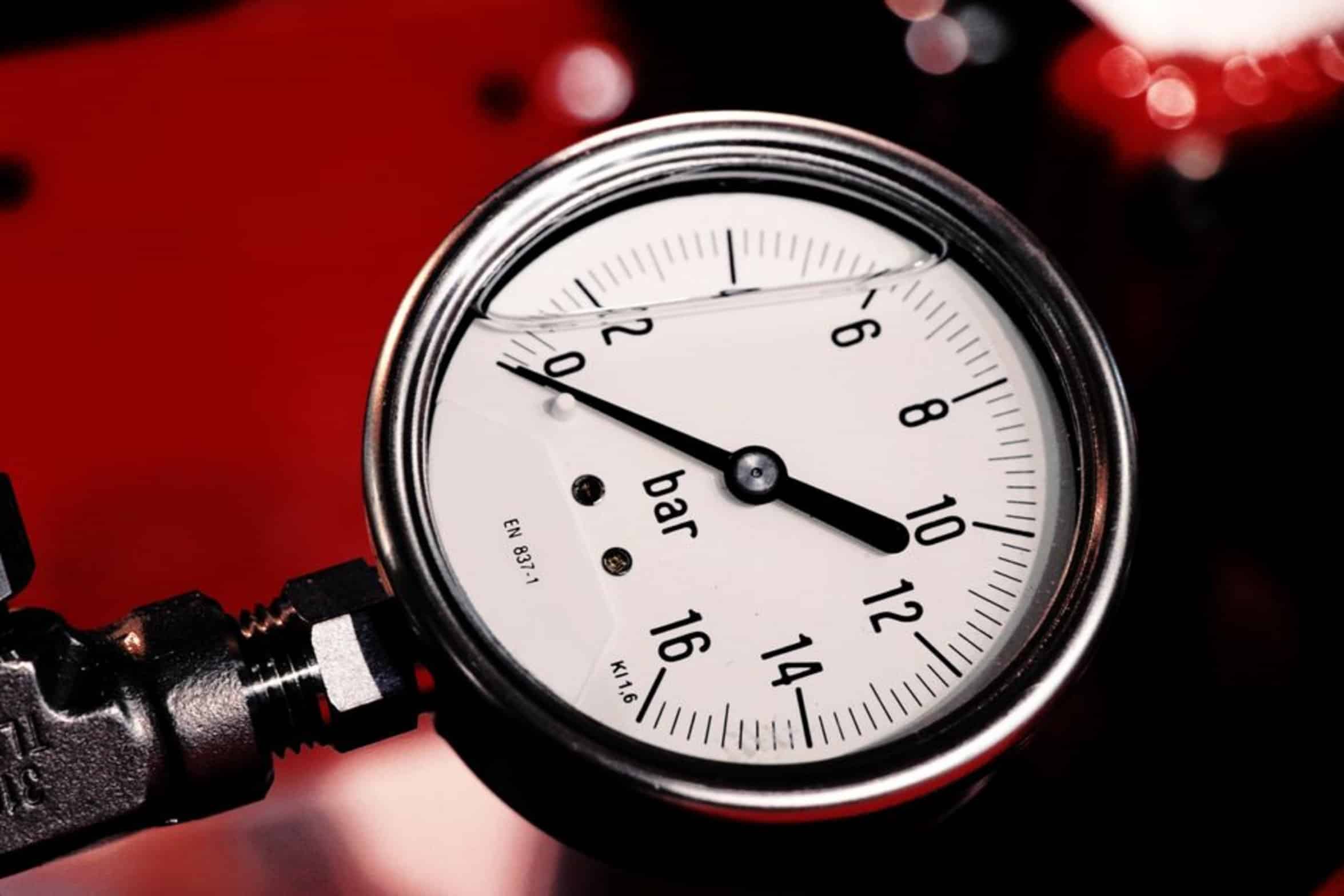
When looking at compressors, the CFM (Cubic Feet per Minute) rate listed by manufacturers can be confusing unless you note the pressure it was rated at. For example, some may list CFM at zero PSI, but that won’t do you any good when actualy using the tools. Look instead at what CFM the tool draws at your operating pressure, typically seventy to ninety PSI. That figure represent the amount of air it will use when firing. Purchasing a compressor by this lesser number (CFM at zero PSI), means you’ll have more time waiting than you would working. Having the right CFM rate ensures the compressor can keep pace with the demand from tool.
Air Demand for Specific Nailer Models
The Bostitch BTFP22066 uses roughly 2.5, 3 CFM on 70psi. So that’s an acceptable amount of air for many small compressors. Running a Brad nailer doesn’t require a huge industrial piece of equipment. In a reasonable cycle, the tool will fire. Then motor will fill the tank and it will go again. This means you can get some light to medium trim work done without having to stop. It’s also a lightweight and easy to maneuver little compressor so you can take it wherever you need it on job site. For finish nailers such as the Makita AN900 or Senco FN225X18, you need 4-5.5 CFM at 70 PSI. That’s a higher demand than what a small compressor can provide when you’re firing it rapidy.
Risks of Using Undersized Compressors
It heats up motor and wears it down. Your tank empties fast and the motor has to work hard to fill it back up. This create heat and wear on machine. When the air won’t keep pace with the tool, you have to wait. Stop and go is not helpful for getting much done. If you intend to do a lot of finish nailing, get a compressor with a bigger tank or more CFM output.
Benefits of Large Tank Shop Compressors
For serious finish work, you can’t go wrong with a 20 gallon shop compressor. It has a big enough tank to provide a bit of reserve air between each nail. This smoothes out the air demand spike caused by finish nailers. No more waiting and waiting like you do with those little tanks. The powerful compressor prevent downtime and ensures the tool works as intended. This will also save you from trying to overcompensate with increased air pressure in a smaller tank, which will actualy harm the nailer. Nails can be forced into splitting the wood, or internal seals could of been broken due to overpressurizing the tool. The pressure range it’s built to run at should be adhered to. There is never an advantage to exceeding it, only taking on added risk.
Choosing the Right Setup for Your Project
To ensure a long service life for both tool and your compressor, use a compressor that is the right size rather than forcing the tool to work outside its limits. Depending off how much you think you will do, determine what tools you want. For small jobs like picture frame installation and minor patching you can get by with a small compressor and a Brad nailer. It’s lightweight and moves around easy for smaller job. But if you plan on cabinet construction or interior trim installs you’ll want something more powerful, such as a finish nailer and a solid compressor. Having a large air source allow your tool to function well. You drive the nail, hear the click and move on to next piece.