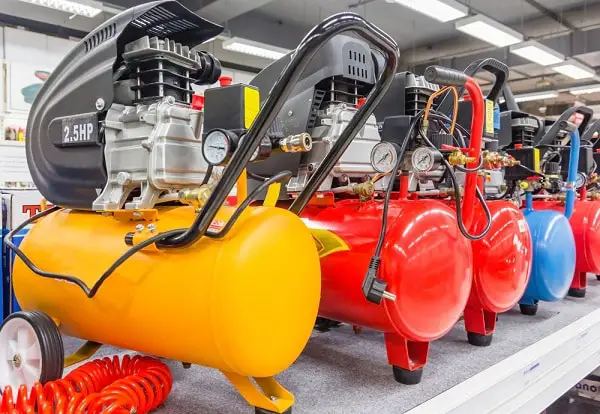
You’re on a road trip when a tire blows and your portable inflator can’t get it to the right pressure. This creates a dangerous situation, and you’ll end up wasting time and money sitting on the side of the road waiting. RVs requires a heavy-duty pump capable of bearing vehicle’s weight; most owners runs a car grade pump which doesn’t have sufficient oomph to inflate big tires.
The trick is getting something powerful enough yet still portable: Too small and it will burn out; too big and there won’t be room for it in your storage bay. Understanding Duty Cycle and CFM ratings is key, they tells you just how well the device push air around. The first number to check is compressor’s CFM (cubic feet per minute) output.
Key Features for RV Air Compressor Selection
The Problem with Standard Air Compressors
Understanding CFM and Pressure Ratings
The higher the CFM rating, the more air the compressor will force into the tire. At 90 psi, a standard car tire require between 15 and 20 CFM while an RV tire at the same pressure generaly needs 30 to 40 CFM. Look for one that put out at least 2.5 to 3 CFM at 90 psi.
Be sure air gets there fast, too. Many inexpensive models gets up to high levels of psi but take their sweet time doing it. This is not very helpful if you’re trying to fill your tire in a hurry.
Battery Life and Motor Efficiency
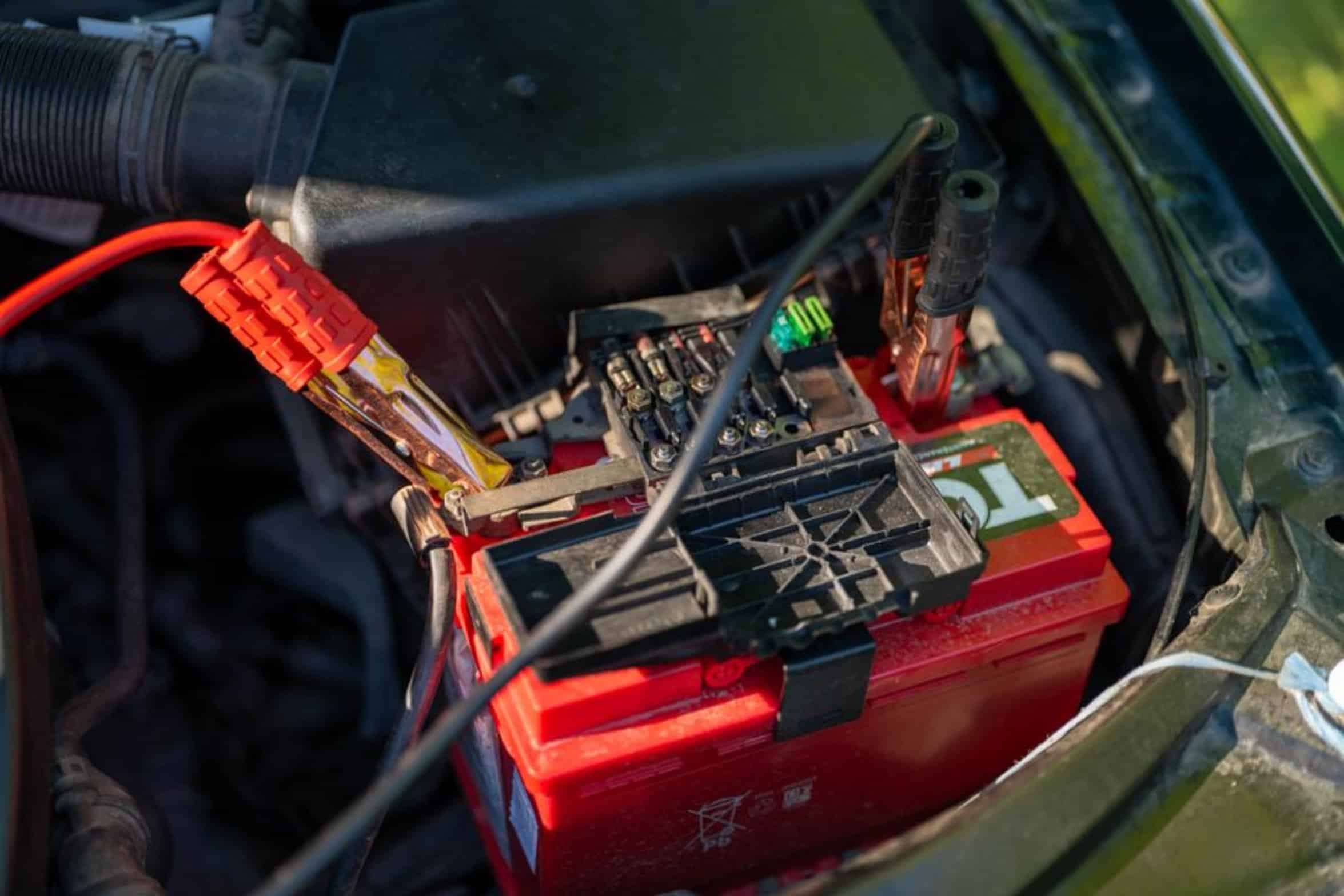
Battery drain are another big consideration. It doesn’t do you any good to have a compressor that stop pumping before the tire is completely filled because of a weak battery. Look for one with brushless motor, as they draws less current and can runs from the house battery without tripping the low-voltage alarm.
Choosing Durable Brands and Materials
More important then brand hype is durability; many no-name units uses plastic components which will crack when exposed to heat. Stick with proven brands such as Milwaukee, DeWalt or Campbell Hausfeld which features metal cylinder with cooling fins to disperse the heat. Heat shorten the life of compressor so if you see complaints regarding overheating/motor failure in reviews, avoid that model.
Hose Length and Gauge Precision
Lastly, look at gauge quality and how long the hose is. The last thing you want is a short hose which requires you to stand right by the wheel well. A long hose keep you safe and a more precise digital gauge help prevent under-inflation or over-inflation, allowing you to drive off knowing you have properly inflated tire.
You should of looked for something moddern and luxurius. This helps with the livig condition on the road based off how much air you need.