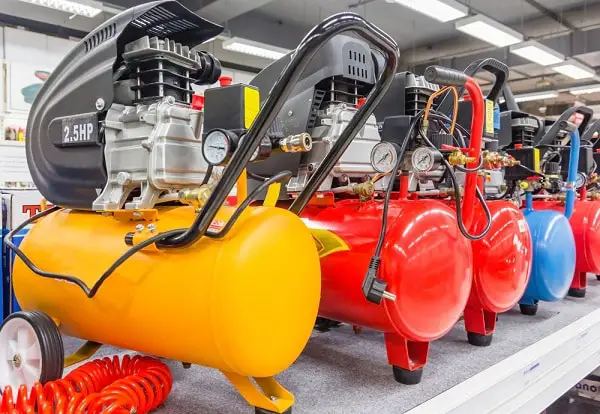
Maybe you’ve learned about duty cycles the hard way: Pull the trigger on a finish nailer, and motor comes to a crawl. The pressure gauge plummets. The compressor shut off and starts the slow buildup of pressure again.
What should of been a snap project now becomes an exercise in patience. In most cases, this isn’t your compressor’s fault; it’s a matter of getting too much or too little power from machine compared to what tool requires. That’s what we call duty cycle trap.
You see the power listed in PSI and CFM. Those is easy-to-compare figures on a spec sheet. What those don’t tell you is its ability to sustain output.
If you purchase a small unit expecting it to operate all day long, well, I think you might be dissapeared. Know what I mean by continuous versus intermittent use? That’s what distinguishes useful tool from something that impedes your work.
Avoiding Air Compressor Duty Cycle Mistakes
Understanding the Duty Cycle Trap
How do you avoid falling into this trap? Know what level of air you really need. Consider not only start-up but how long you use them.
Sure, a big sander will suck lots of air for 10 seconds, but that’s different than a continuous load like a nail gun, which sucks less air but do so constantly. If you’re always firing away, you want something that can sustain average load. Using your pancake (Craftsman/Harbor Freight) for occasional brad nailing or tire inflation is fine.
It is not for use in production setting. The tank helps buffer short spike in usage. However, it won’t keep up if you pull air out faster than pump can refill it.
How Duty Cycles Prevent Overheating
A timer for heat is called the duty cycle. When the compressor are running, it makes heat by compressing air. That heat need to be removed.
Otherwise, the heat will just keep building up until it’s too hot and the pump shuts itself down. It does this because if the pump overheats the seal and motor can burn out. That’s why a 50 percent duty cycle exist.
Half the time the compressor operate and half the time it doesn’t. Go beyond that and you risk damaging machine. Most little tank are designed for intermittent operation like this so think of them for short bursts, not an all day shift.
Choosing the Right Air Compressor Type
Here’s the key: two-stage or single stage compressor? A single-stage compressor simply compresses air in one step. It is simpler and cheaper.
It is also slower and runs hotter. A two-stage compressor take air in and compresses it twice, producing more air while producing less heat for each unit of air compressed. These bad boys are made by companies such as Quincy and Ingersoll Rand.
And a two-stage will typically be able to handle a 100 percent duty cycle. That means you can run it for eight straight hours without it overheating. For pro shop this is not a luxurius, but a necessity if you want to keep your day going.
Oil-Lubricated vs Oil-Free Pumps
The bigger part here is how it’s lubricated. While there are also oil-free versions of these pumps, oil-lubricated ones lasts longer and run much cooler. The oil keeps the walls of the cylinders cool and seals them at the same time.
That sounds good, right? Oil-free means no maintenance and quieter. But when they’re used hard, the friction cause heat.
That heat over time tears up an oil-free pump faster. If you use a compressor continuously, that extra heat from the friction will kill an oil-free pump quickly. On the other hand, you has to change your oil.
However, you get a longer life from it, which makes the extra work worth it for continuous use. Change and check your oil. Continuous duty is not dependent on tank size.
Tank Size and Actual CFM Output
People think because they have a big tank that it’s going to provide an endless amount of air. It doesn’t. When the tank empty, the pump has to start replenishing it.
Regardless of how big the tank is, if the pumps isn’t delivering enough air to keep pace with your tools drawing out the air, the tank will empty rapidy. What determines this is actual CFM output of the pump itself. You want a pump capable of producing more air than your tool average consumption.
So for example, if your compressor put out four CFM and your nail gun take five, you’ll never catch up. Your gauge won’t climb. You’ll be stuck in a cycle of running out and filling back up forever.
Preventing Overheating with Proper Ventilation
Compressed air systems also run the risk of overheating. The compressor will overheat quicker if it’s sitting in an enclosed closet, or even a hot garage. Keeping the unit free of clutter and away from walls are important.
Good airflow on the pump fins and motor is essential. Don’t push the machine too hard. You’ll know when the metal housing get too hot to touch.
That’s a warning sign. Running the machines in better ventilation extends their life a lot. It’s a simple fix and often overlooked till the motor burn out.
Selecting a Compressor for Your Needs
When purchasing a compressor, select the one that fits your working style. Don’t get tricked by a tool that requires 5 CFM if your compressor can’t deliver it. Examine duty cycle, stage of compression, lubrication type and so on.
For the hobbyist, a small intermittent compressor will do just fine. If you’re a pro and bill hourly, then every minute you’re down equals lost money. Buy a two-stage model that uses oil lubrication from a company with a reputation for making industrial grade product.
It will be more expensive initially, but it’ll pay for itself by preventing downtime. Air should flow as smoothly as your workflow. The best way to know this happens?
The compressor run consistently and quietly in the background. You begin to watch the work instead of watching the gauge. If this is happening, then you’ve made the right choice.