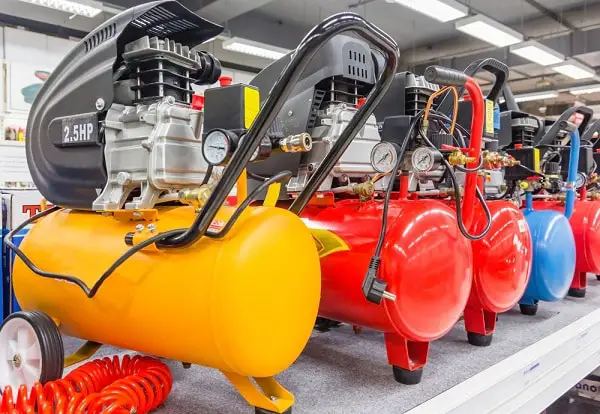
There’s your compressor sitting next to those siding panels, and you’re standing on the ground looking up a ladder. This should be easy right? Then you remember that you don’t have the right tool.
You didn’t bring along the pneumatic hammer. And then there’s the confusion over which type of nail gun to use. A framing nailer or a siding nailer.
At first glance they appear identical. They’re both nail guns that shoot nails with compressed air. That means it’s quicker than pounding them in by hand.
But replacing a siding nailer with a framing nailer can lead to damaged material and bent nails. It is more than just marketing. It’s the mechanical engineering behind each one for different jobs.
It is about more than just speed. It is also about not compromising structure and screwing up the look of your finish. A siding nailer won’t be able to support a deck frame.
A framing nailer may cause the nail to penetrate too far into the surface of the siding or crack thin siding material. Use the right nail gun. Knowing the difference between them prevents you from wasting money on improper tools.
Understanding the distinctions helps you avoid costly mistakes and ensures your project holds up under scrutiny.
Key Differences Between Siding and Framing Nailers
Why Tool Type Matters
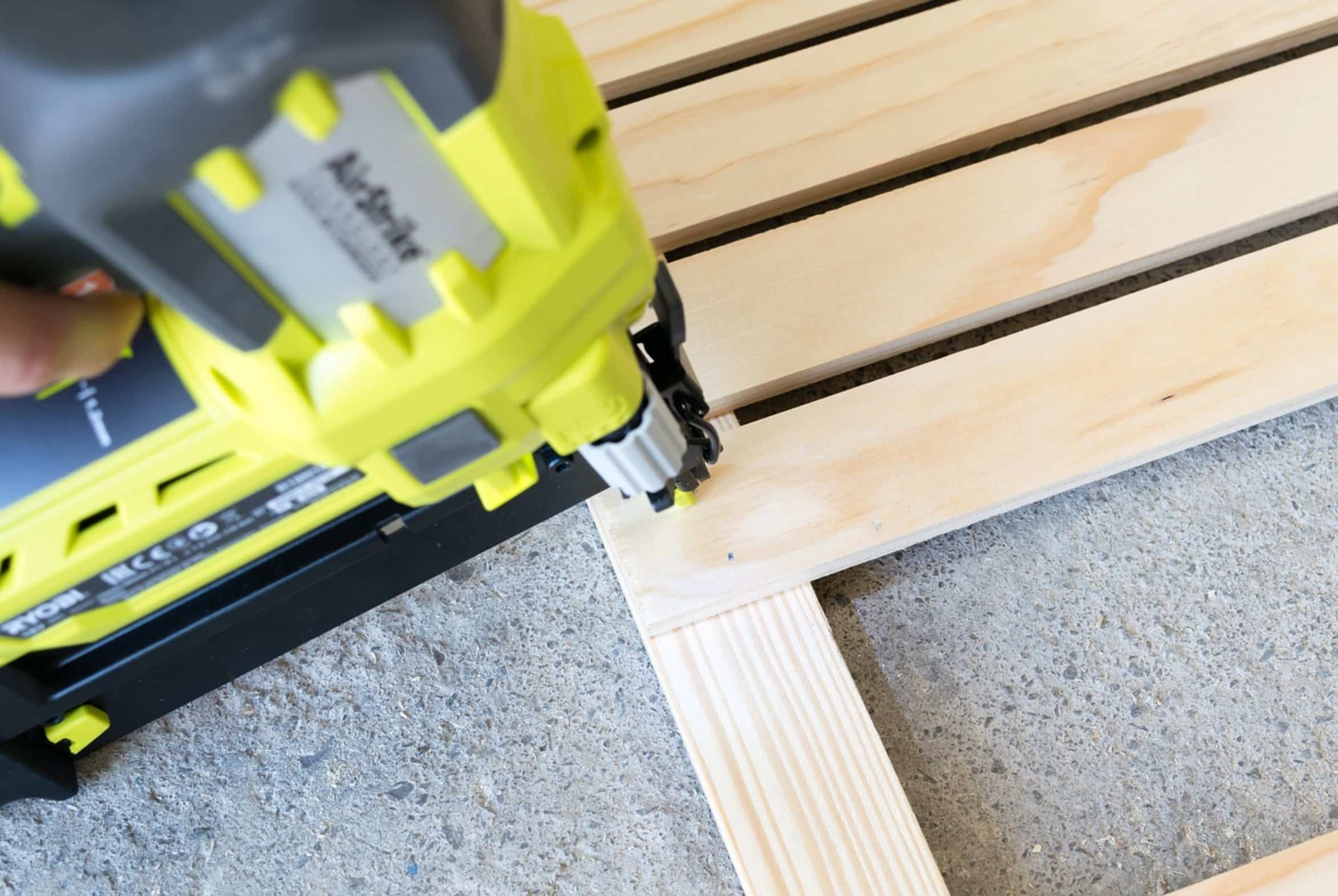
First off, the nail itself is the biggest giveaway. For framing nailers, you’ll find thicker gauge nails.
Framing Nailer Specifications
Typically, it’s going to be either ten or twelve gauge wire. This nail are strong enough to handle a heavy load. Framing nails come in two main configurations.
First is the angled nail. Companies like DeWalt and Milwaukee make models that can take an angled nail at either a twenty or twenty-one-degree angle. Angled nails are great because they drive easy in tight areas and keep the magazine nice and compact.
Next is the straight or collated nail. Straight nails just shoot out straight; they give you a larger capacity magazine but lack the shear strength of the other style of nail. You want some strength on your nail if you’re nailing up two by tens or even building trusses for a roof.
Siding Nailer Characteristics
Siding nail guns take a slightly different approach. Typicaly these are either eighteen or twenty-two gauge nails, very fine. They’re meant for cladding and finish work.
They don’t tear through wood as easy, and they stay out of sight since they’re so fine. Often the heads are flush with surface or smaller in order to hide underneath paint or be filled-in. If you’ve got cedar shakes or vinyl siding, you don’t want to just whack at them and hope for the best.
You want precision. You want the nail centered in the channel, not ripping the panel to shreds. Framing nails would of been overkill.
The nail might crush the siding, or it might stick up with an ugly head that breaks the line.
Power and Precision Differences
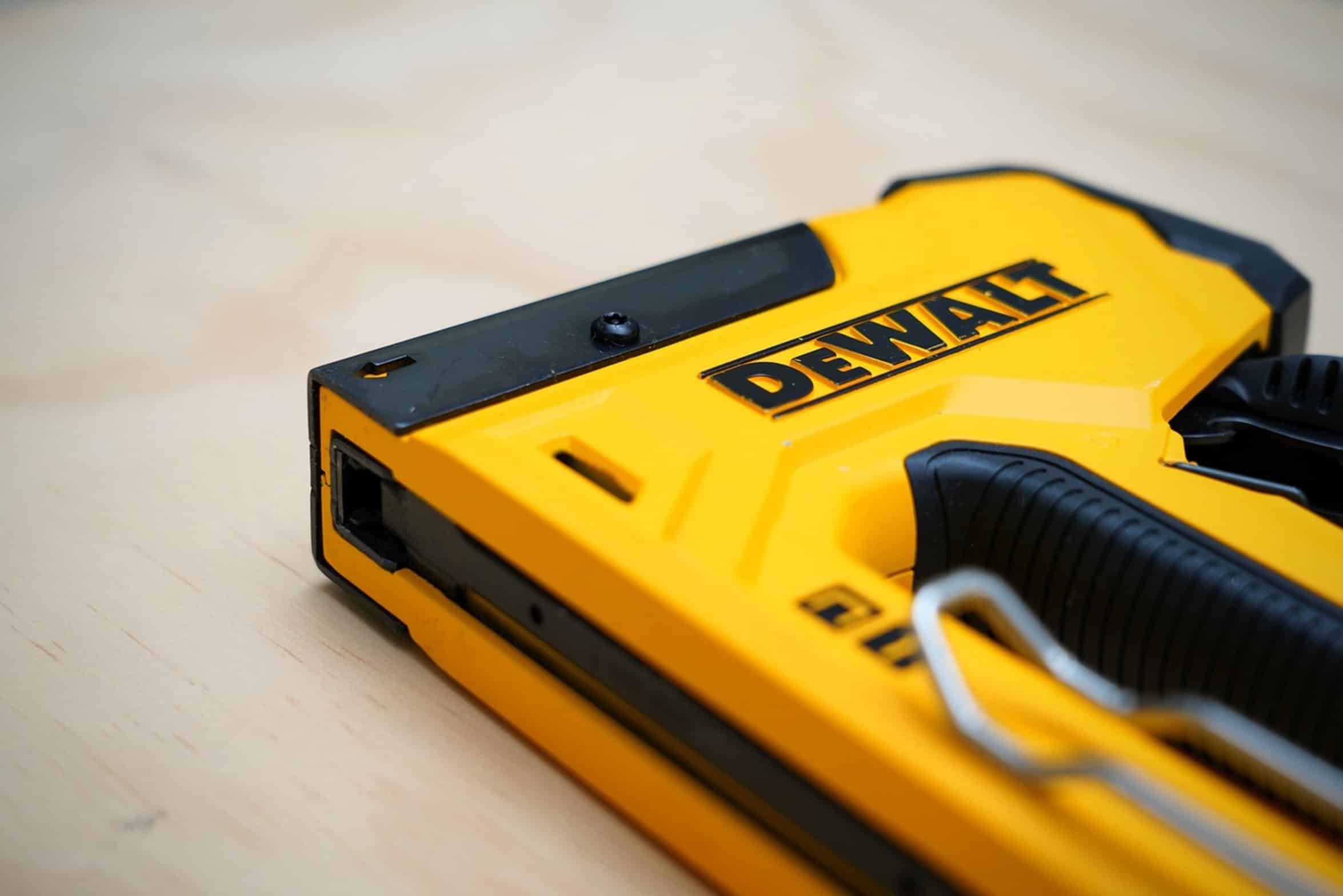
The difference in driving force and power is also large. Framing nailers are some hefty machines.
They put out a ton of kinetic energy to push thick nails deeply into solid wood. That’s what they’re made for (connecting structures together). When you need something nailed, you want it done quickly and not coming back out anytime soon.
Siding nailer are more gentle. They has enough power behind them to provide a controlled amount of force without damaging softer materials. You can control exactly how deep the nail drives, which prevents it from going all the way through like it would with a framing nailer.
The difference is stark. One feels like a precision tap while the other feel like a sledgehammer.
Ergonomics and Magazine Design
Ergonomics and magazine design The magazines on framing nailers are big.
They contain dozens of nails so that you can get lots of work done quickly on larger projects. That’s important if you’re nailing hundreds of joists or studs. You don’t want to have to stop every minute to reload.
The magazines on siding nailer are small. They only carry a few nails, but allow for better maneuverability. If you are up on the ladder or in tight spaces, a large magazine gets in the way.
A siding nailer is also lightweight, which means you get less tired. After a full eight hour day on the roof, your arm will be thanking you.
Brand Choices and Usage Rules
Brand choices matter less than how you use the tool.
I use a Senco, a Paslode and I’ve used a Bostich. No matter the brand, they all has mechanical limits. A siding nailer won’t frame a house well.
A framing nailer can’t install finish nails safely. Adjustments and hybrids exist on the market but at heart they does different things. Keep within the specs.
Read the instructions and be mindful of what the designer intended. It’s going to come back to bite your pride in the final product and your wallet.
Choosing the Right Tool
Which to use in the truck?
Depends on what’s next. Use a siding nailer if you’re installing exterior cladding or closing up the walls. Use a framing nailer when it comes time to build a house frame or a deck.
Don’t get them mixed up. Using the right tool makes the job go faster. It also makes the result look like it was done by someone who knows what they’re doing.
Keep your tools sorted. But also keep your expectations realistic. That’ll save you a lot of stress and time down the road.