A contractor walks in with a pin nailer, you walk in holding a hammer and nails. His tool is silent; yours are loud. But his turns rough construction into fine detail.
It allow you to attach trim without leaving obvious nail holes to fill. That’s the power of this tool and why some is reluctant to purchase one. Is it just a gadget?
Will it pay for its self? It all comes down to size and finish of your projects. People tend to confuse a finish nailer (or even a brad nailer) with a pin nailer.
Understanding When You Need a Pin Nailer
What Is a Pin Nailer?
The result are unnecessary cost. It leave almost no hole. Check.
Thinnest nail? Nope. That’s a pin nail, typicaly a 23 gauge.
It is good for delicate materials such as those prone to splitting. No need for sanding and filling after. But thinner nails also carries less weight.
Less structural integrity. Knowing this compromise will help determine your need of this tool.
Best Uses for Pin Nailer
Use small pieces of trim that is fragile.
These include furniture veneers, picture frame molding, and baseboard returns. An 18 gauge brad nail can tears through this stuff and create a big hole where one was never intended. So often you will skip any wood filler because the 23 gauge pin nail goes right in and doesn’t need it.
It’s clean, no hole to fill, and it save time while preserving the grain of the wood. Invisibility is the objective here. Not power of hold.
If the wood isn’t more than half inch thick, a pin nailer’s for you. A pin nailer are not a structural tool. It’s not strong enough for stress or weight.
You won’t frame a wall with it, and you won’t hangs a cabinet from it. Don’t try; it will fail. Its sole purpose is to tack and finish.
It secures non-load-bearing decoration, or holds items in place until glue can drys. Anything else and the result won’t hold up well. That’s why builders reserves this tool for last: to finish.
Wood Density and Pre-Drilling
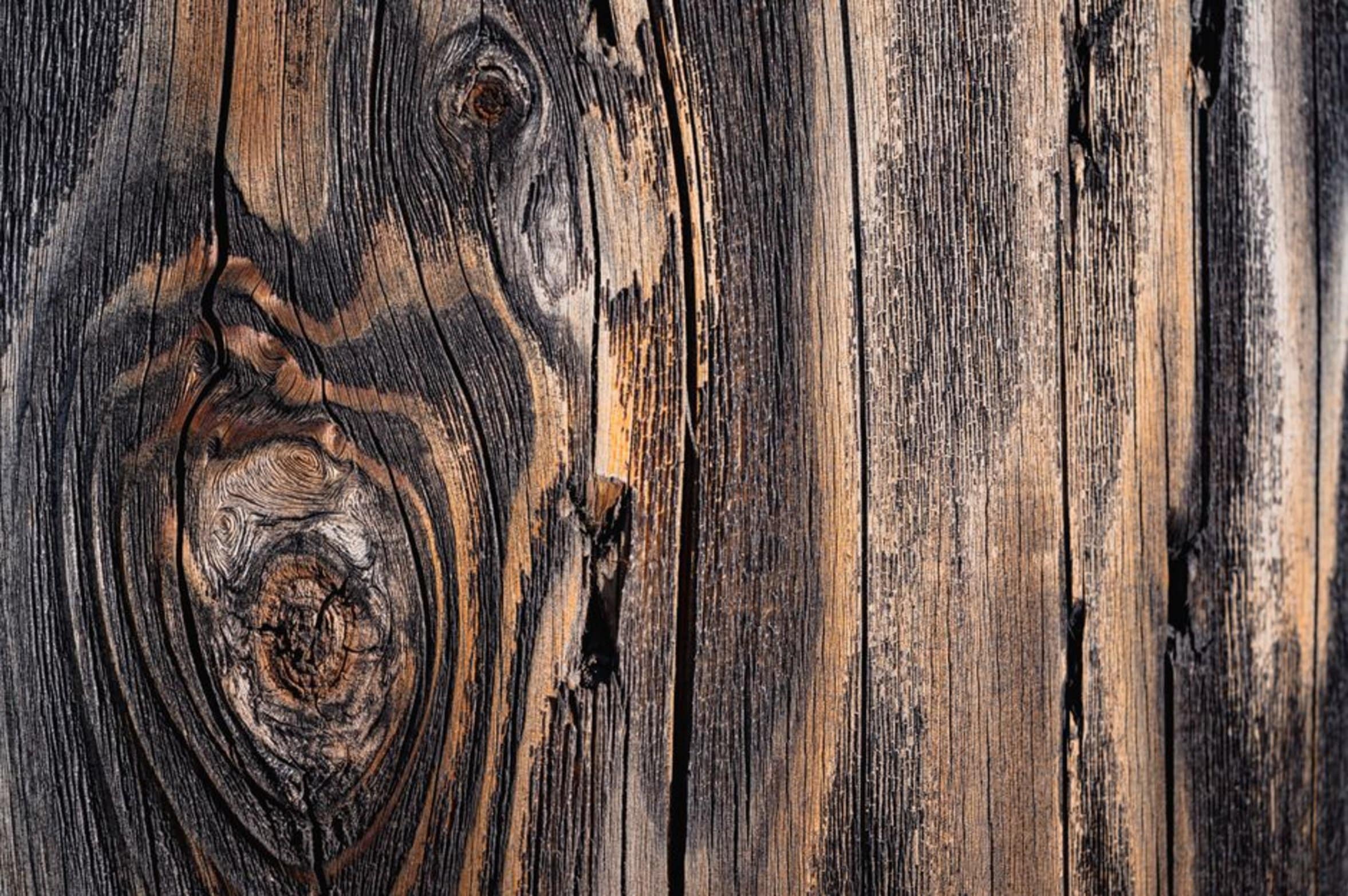
Always check your material first. Soft woods like pine takes the pin nail easily. Harder woods such as maple or oak resists pin nailing.
Pin will tend to bend. They may also not penetrates deeply enough into denser material. Here is where pre drilling a pilot hole become better.
An alternative would of to move up to a brad nailer. If you need a seamless appearance and the material is delicate, that’s the time to use the pin nailer. It’s all about precision.
Not brute force. Knowing when to pull it out is just as important than knowing when to use it.
Pneumatic vs Cordless Pin Nailers
Performance depend on the power source.
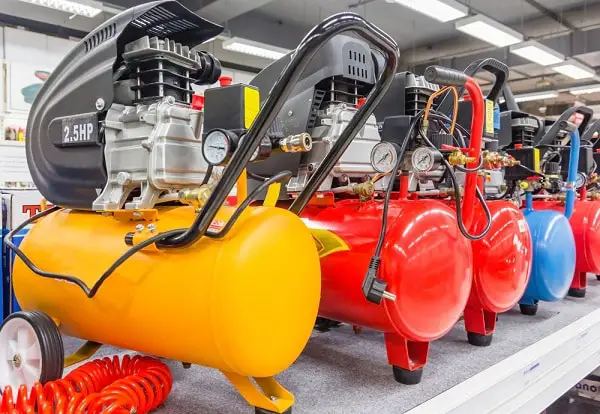
Reliable and fast are pneumatic pin nailers, requiring an air compressor (which also increases bulk and cost). Cordless battery-powered nailer are portable; they is fine for quick jobs when an air hose is an inconvenience. But they may have problems with hard wood, and they cycles slower.
A compressor is worth the effort if you do lots of trim work. For occasional use, a cordless is a decent compromise.
Is a Pin Nailer Worth It?
Last: How frequently do you think you’ll use this tool?
A pin nailer will make the final look better and save time if you’re making cabinets or building furnitures on a regular basis. But if you’re just repairing furniture every decade, then a hammer and some nails will be fine. When the task isn’t demanding that much precision, the tool sit idle… gathering dust.
This isn’t a jack-of-all-trades tool; it’s a specialist tool. Purchase it if you’re working with intricate details where fasteners is hidden from view. Pass on it if your projects consist of decks and boxes.
The correct tool simplifies the work; provided it matches the nature of the task.