When it comes time to purchase your floor nailer there are several things to consider. You’re about to invest in something that will keep your floors together under the weight of furniture and people walking on it. Make the wrong decision and you’ll have popped up nails, squeaking floors, and maybe even floors you cannot use.
There’s no shortage of options out there from pneumatic staples to battery-powered pins, each has its perks. Knowing how they work can save you money and your sanity. Hardwood installation is unforgiving.
If you get it wrong on fastening, there’s no going back (those boards has to come up). The job demands precision, power and reliability. To get the job done right, we’re breaking down what to look for when selecting a nailer, such as brand, fastener type, and drive methods.
How To Choose The Right Flooring Nailer
Choosing the Right Power Source
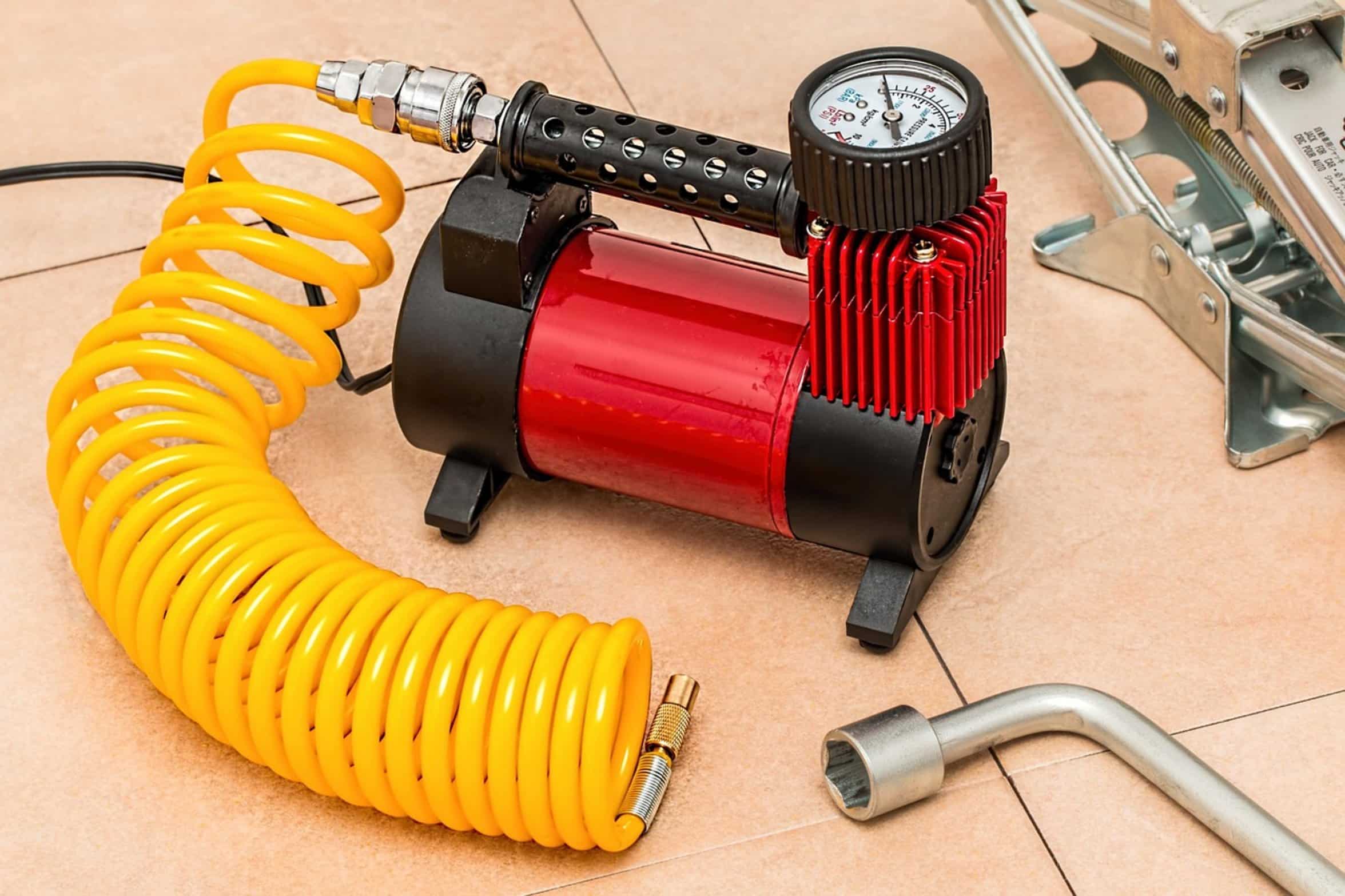
Your nailer’s power source matters most when it comes to how you work. If pneumatic nails guns (above), powered by compressed air from a tank, delivers even power consistently and are feather-light. But you’re tied down to a compressor and air hose, which can be tripping hazard in big rooms and will catch on itself and get tangled up.
On the upside, cordless battery nailers give you freedom of movement… You can take ‘em wherever you want without hauling a tube around. The downside is they’re heavy and you have to manage them by charging them or swapping out batteries for longer jobs.
Selecting the Correct Fastener Type
In short: For lightness and speed, go with pneumatic; for convenience, especially in tight quarters or reaching awkward places, go with cordless. The strength of the bond also comes from the type of fastener. With a staple gun or stapler, the board gets held down with a u shaped staple.
This is the traditional way to install strip flooring. The legs of the staple is wide and give great holding power and don’t let the board shift under stress. With a pin nailer, you get very thin almost unnoticeable fasteners that work great for wider planks (since head of the staple would stand out too much).
The pins is weak on their own, but when used with wood glue, they create a strong bond with no visible hardware. If you use an improper fastener for the size plank you have, it will not hold up. Use staples for strips and pins for wide planks.
Top Brands for Floor Nailers
There’s also reputation here. The big players in cordless include Milwaukee and DeWalt. Both has strong battery systems and solid reputations to back up durability.
Contractors who invest in either brand tend to stick with them, saving on chargers and batteries. They also know their tools will stand up to abuse on a job site. For reliable tools, look at brands like Bostitch and Paslode.
These guys is the leaders when it comes to reliability, as expected by contractors. Paslode stands out as they’ve found a way to connect electricity and gas. No more air compressors but you do need outlets for power.
That’s a nice compromise during a remodel, since running an air hose isn’t easy. Pick a brand based off what style of work you’re doing.
Adjusting Depth and Angle Settings
Avoid expensive errors: The ability to adjust your tools helps avoid headaches down the road.
Because subfloor thicknesses differ, most new nailers let you adjust driving depth. If it’s set too low, the nail head will stick out and you’ll lose the board, and if it’s too deep, you’ll split the wood. Find one with an easy-to-see depth-adjustment lever/dial.
Also important, flooring boards are frequently beveled. You need to find a tool that matches the angle so that it sits flush. Being able to lock in at the proper angle each time ensures consistent work.
These little tweaks make for hours spent not having to repair an uneven surface.
Prioritizing Tool Durability and Warranty
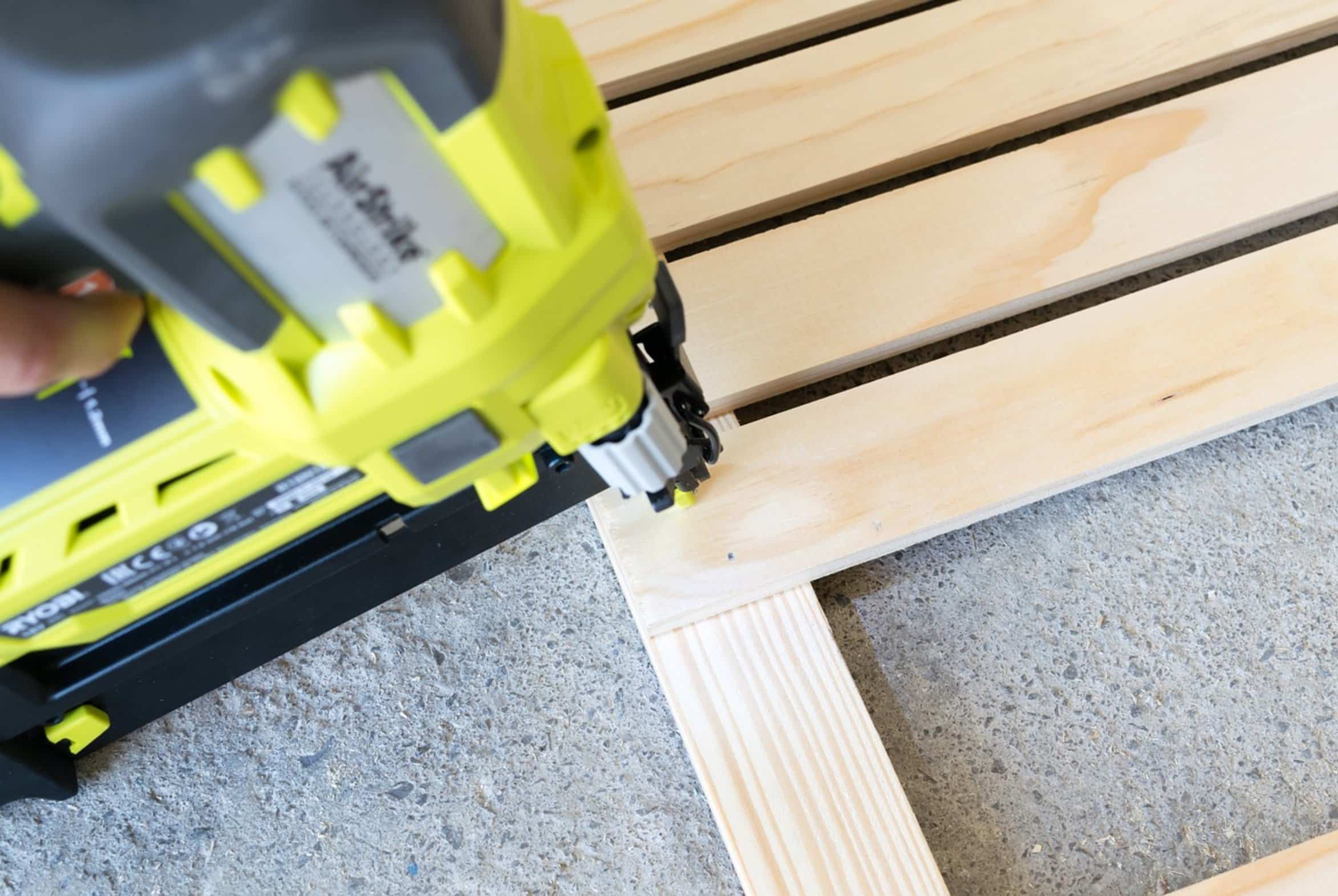
It has to last When you install flooring, it’s going to get beat up and vibrated around a lot. You’re going to kick it, drop it, and do some rough stuff with it.
Don’t get a cheap one that will jam or break when you need it most. In high use situations, metal housings tend to last longer than plastic ones. Read customer reviews, specifically ones where someone used it on a regular basis and see how long they found it lasted.
Look at the warranty terms. If a good manufacturer makes a product, they’ll back it up. Don’t go for the cheapest one if it sacrifices quality, because a good tool pays for itself by getting it done right the first time.
A proper nailer will turn a tedious chore into something you can manage. It gives you the consistent result of a pro job done well. If you take time to consider brand ecosystem, fastener type, and power source…you are making an informed decision that keeps you from headaches later than in the project.
You should of thought about it. You want seamless floors that look solid. The right tool lets you make that happen.