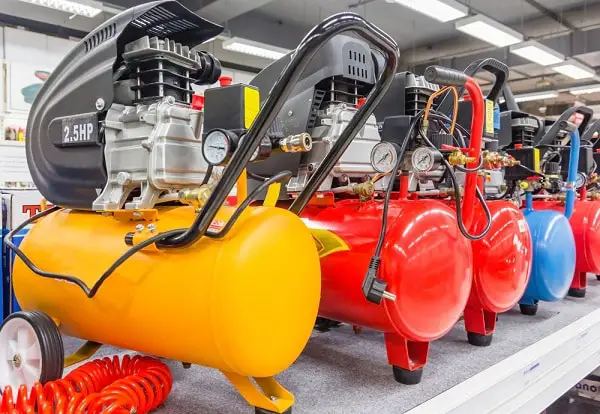
Your air compressor are the muscle of your shop. The circuit breaker protect the system. So if you’re working on something and the compressor shuts off, or if you hit the button and it doesn’t do anything, chances is you have an undersize breaker.
It’s annoying (but in reality), it’s doing exactly what it should of doing. Figuring out what the correct breaker size should be make a tricky issue very simple math. To most DIYers, electricity are some sort of magical black box.
Plug something into the wall, and just cross your fingers it’ll get juice. It’s fine if you’re plugging in little stuff like phone chargers. But running big tool that pull lots of amps doesn’t fly.
Amperage make the difference between getting a bunch of work done on a nice day and having your breaker trip. Mastering this mean your tool will be firing all cylinders while not frying your home wiring. First, look for your compressor’s nameplate.
How to Size Air Compressor Circuit Breakers
Why Your Air Compressor Trips the Breaker
That tiny tag is typically found on the motor housing and will have the relevant details. Your goal: Locate the Full Load Amperage, otherwise known as a FLA. This are the amount of amperage the motor pull in steady state (normal) operating conditions.
Reading the Compressor Nameplate for Amperage
This is not the start-up surge, which is greater then only temporary. For example, if you’re plugging into a standard 120-volt circuit with a 15-amp breaker, your compressor should pulls far fewer than 15 amps when it’s working hard. Anything more and you are pushing your luck every time you use the tool.
Understanding Start-Up Surge vs Continuous Draw
Most folks trip out at start up. That’s because motors needs a short surge of current to start and spin up. They pulls three to five times rated amps for only a fraction of a second.
Those little surges is what standard breakers are made for. So if your breaker trip within seconds of start-up, that may not be an amperage problem at all. A short in the wiring, a sticking piston, or a bad motor can all causes a breaker to trip.
Before pointing the finger at the breaker, check the mechanical side first. It’s tempting to say “it must be the breaker” when real issue is a dying compressor. Also consider the voltage of your circuit.
Choosing the Right Voltage for Your Circuit
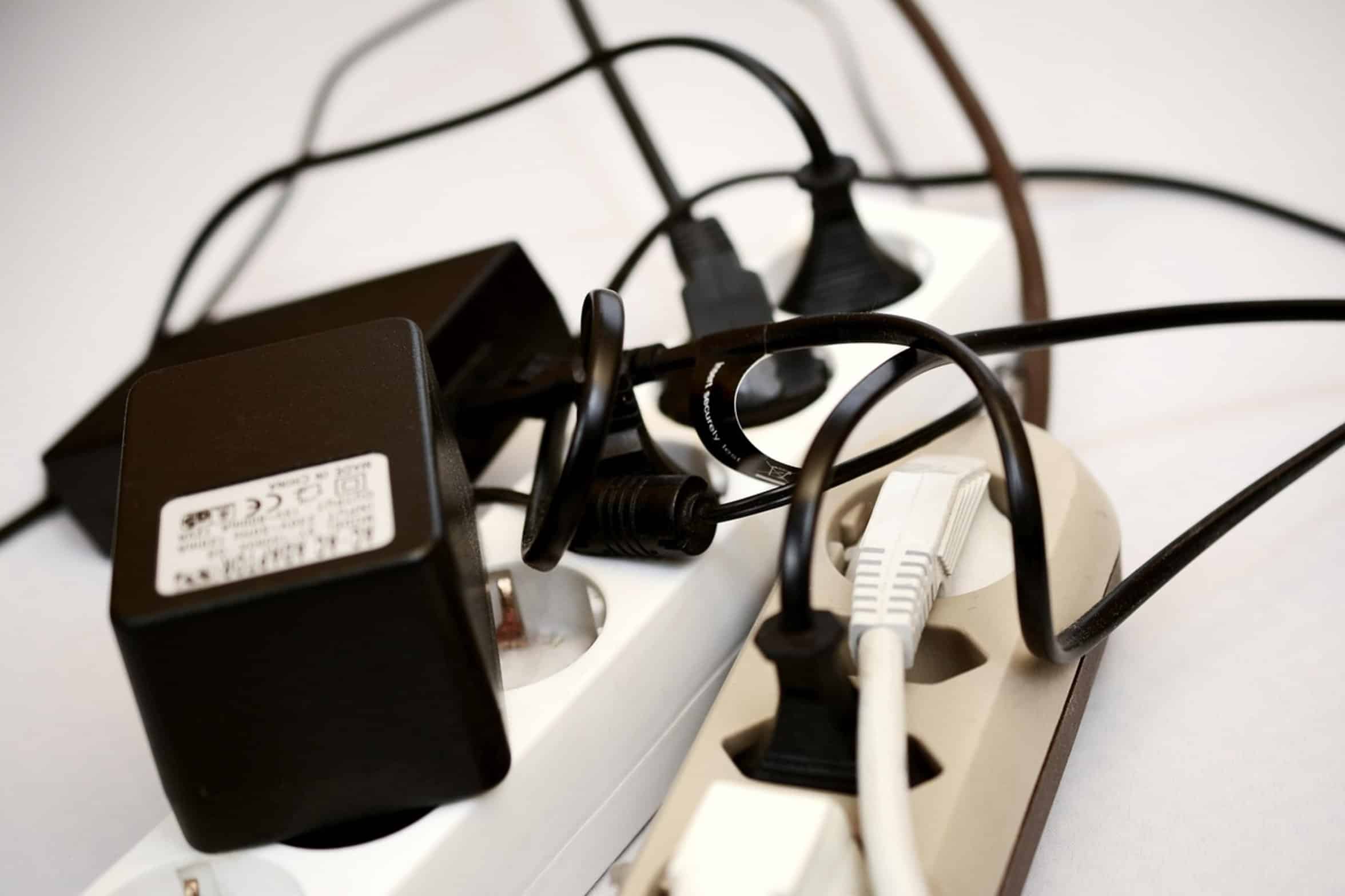
A 230-volt compressor require fewer amps than a 115-volt one working at the same level of output. Remember: Power equal voltage times amperage. You can double your voltage while halving your current.
For example, some compressors is dual-voltage (Campbell Hausfeld and Porter-Cable have several), which means you can use them with either a 115- or 230-volt supply. That allow for running them on a 20-amp breaker, which may be all you have in your shop. That same compressor could pulls 18 amps on a typical 120-volt outlet, requiring an upgrade of your branch circuit.
It’s not just the size of the motor that determine the breaker size. It’s also the voltage you choose. Never install A bigger breaker to “solve” a tripping issue.
That’s a big mistake that invites fire hazards. You never base the size of a breaker on what appliance you wish to plug into it; it’s based off the wire gauge running through your walls. For example: if the wire in your wall is 14-gauge copper, then that means the wire are rated for 15 amps maximum.
Matching Breaker Size to Wire Gauge
Installing a 20-amp breaker onto that 14-gauge wire is a mismatch that results in the wire melting before the breaker trips. Match your wire with your breaker. If you want more amperage, you must run new wire instead of replacing the plastic toggle inside the panel.
Impact of Extension Cord Length and Voltage Drop
If you’re running an extension cord, be sure to account for its length. The longer the cord, the greater resistance (and therefore voltage drop). Voltage drop mean the motor has to pull harder to accomplish same task, pulling even more current in the process.
That increased draw can be enough to trip a breaker for a borderline connection. Make cords as short as possible and use thick ones. For shop tools, a beefy 12-gauge cord is much preferred than a skimpy 16 gauge.
This put less strain on the whole electrical system. In summary, how do you size a breaker? Balance.
Find enough room for the motor to start and run without overheating the wires. At the same time, minimize the risk of burning down the house by not using a wire that is too large. Refer to the manual.
Examine the nameplate. Confirm your home circuit. Respect the limits of your electrical system and it will return the favor by providing reliable power to your air compressor.
No more guesswork. Just air.