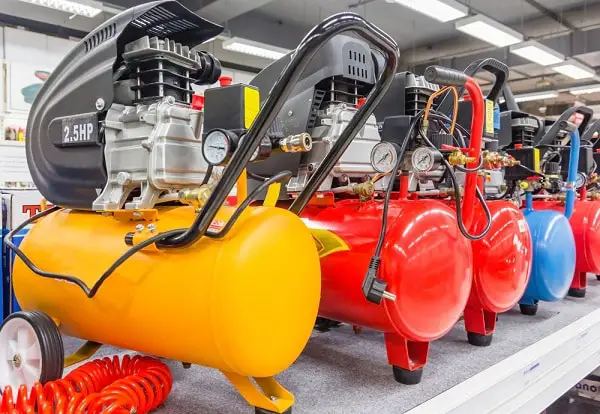
A pocket knife or a tire valve tool will allow you to deflate tire so they can go over muddy trails. When you’re covered in clay far away from help, you’ll wish you could get that air back in. Most folks think any old air compressor would be fine for the job.
Wrong. A tiny compressor designed for car tires won’t cut it on big ol’ off-road tire. Using wrong tool lead to overheating equipment and a lot of frustration.
Get something that moves a lot of air. Off road and truck tires has more air in them than regular passenger tire. It’s not about high pressure, but sustained airflow.
Key Factors for Truck Tire Air Compressors
Why Small Compressors Fail Off-Road
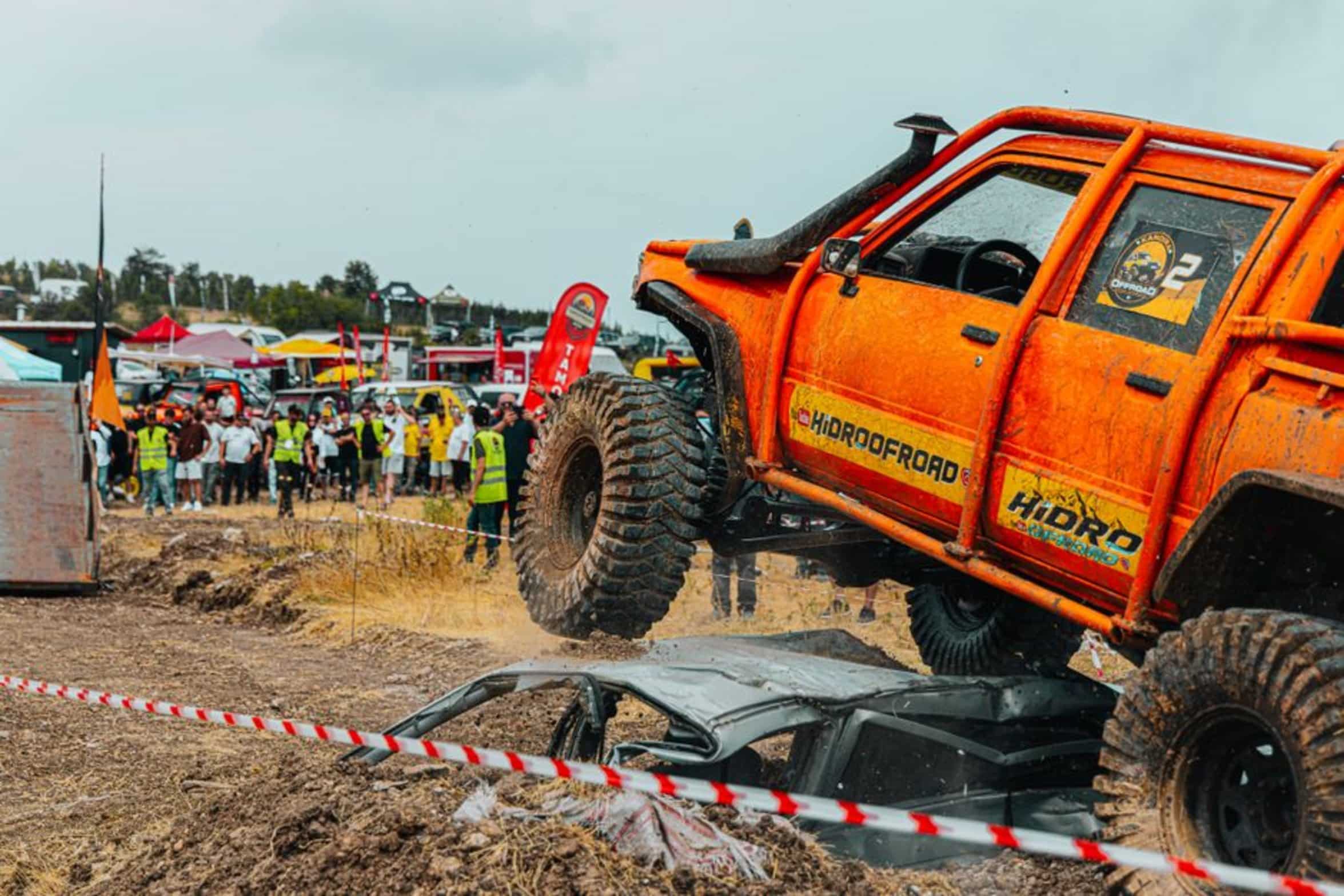
That’s where knowing the difference between CFM and PSI help you select the proper tool. Without this knowledge, you’ll end up with gear that doesn’t do what you want it to when you realy need it. PSI refers to the force of push of air and CFM refers to amount of air being pushed.
Understanding CFM vs PSI for Tires
Many folks only think about PSI but for filling larger tire, CFM is more critical. A small compressor may gets up to very high PSI but will take forever to get volume in the tire. To effectively inflate off-road tires, you need high volume.
Required CFM Ratings for Mud Tires
Look for a compressor capable of delivering between 5 (7 CFM at 90 PSI). If you run big mud-terrain tires, then you’ll want 10 CFM or more. How quickly you’ll get back on the road depend on the CFM rating.
Choosing the Right Tank Size
Many buyers underestimate importance of tank size. While a bigger tank will give motor more time to work before kicking on, it will also make the device heavier to transport. For instance, a 6-gallon tank should of been enough for pumping up tires as long as it has a reservoir for several minutes of air delivery and thus keep the motor cool on brief operations.
Portable vs Stationary Compressor Options
Since you are operating this device out on the trail, you don’t want something big that is stationary; rather you want something portable and quick to recover from. For off-road use, portability is key. Chances are you haul some of this stuff around on the back of your pickup or on top of your vehicle in a roof rack with additional gear.
If you’re carrying recovery equipment and spare tire, weight accumulates quickly. One reason portable 12-volt air pump are so popular is their light weight and fact that they plug into your vehicle’s battery. Speed is their compromise; it takes 10 to 15 minutes per tire to inflate.
Volt vs Electric Pump Speed
Patience is required when using them. If you do have access to electricity, there is also electric compressors that will go faster. Portable electric models from brands such as DeWalt and Ingersoll Rand provides a good mix between power and portability.
They can be powered by heavy-duty power bank or generator. These take about half as long than 12-volt units to refill your tires. Just note, they’re louder too, which may matter if you’re camping with others.
Duty Cycle and Cooling Times
Check your compressor’s duty cycle Duty cycle refers to how long the compressor will run compared to its resting period. For example, if your compressor has a 50 percent duty cycle, then after 15 minutes of running it’ll stop and cool off for another 15 minutes. Filling off-road tires that start at 10 PSI and top out at 35 PSI might take longer.
To avoid sitting there waiting while it cools, you’ll want a larger motor or one with higher duty cycle. Industrial grade portable compressors often has very close to continuous duty cycles. They cost more initially, but they saves you time when you’re in the mud.
Essential Hoses and Gauges
And the rest of it is the hose and fittings. Heavy duty hoses that can absorbs high pressure are a must, as standard quick connects aren’t up to snuff. Spend some money on a good tire gauge; digital ones is readable in the dark and very accurate.
The built-in gauges on cheap compressor kit are bad and shouldn’t be trusted. Five PSI is the difference between a good ride and a flat spot on hard pack. Use good tools, drive safely.
Managing air pressure means mastering time and volume. Physics won’t change, but picking a compressor capable of providing enough CFM for the tire size is what matter. Find the right balance between power and portability to suit your needs.
Whether it’s a rapid electric model or a slow 12-volt one, having the right equipment will get you out there and keep those tires up so you can stay out even longer.