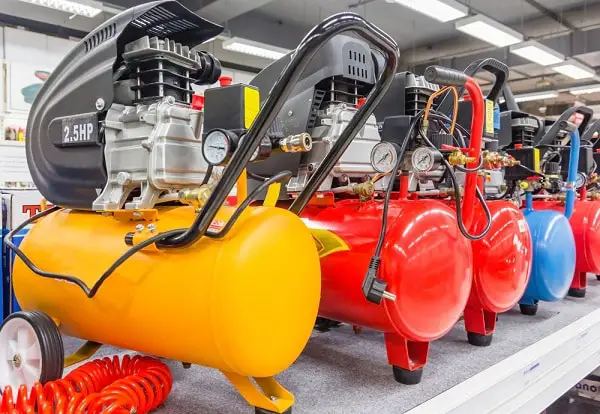
There is a category of frustrations with air hoses… Namely managing them. Instead of being productive, you waste time picking at knots for minutes on end.
They catches and drag on things as you move around your shop. When they snap tight, they pull loose from whatever they’re caught on and then snap again. That’s where a reel comes into play.
But how do you know which is right for you? There are several available on the market, everything from cheap plastic reels to heavy duty steel ones. Homeowners don’t need something designed for an industry, but they should of consider if a plastic reel’s tendency to get brittle or crack is right for their workspace.
Look for a happy medium between durable and easy to operate. Does the hose stay protected from damage? Can it reel back easly?
Guide to Choosing Best Air Hose Reels
Choosing Between Plastic and Steel Reels
First consideration is material. A plastic reel will be lower cost and lightweight, which is good for portability. There are some great deals on a light duty reel like these from Campbell Hausfeld.
The problem is that plastic gets brittle when cold and crack easily if dropped. Steel reels (like those from Industrial Air) is heavier, but last longer. They takes temperature extremes and hard hits without cracking or breaking.
Unless you have a clean, orderly shop, plastic may not be right for you. Steel are best for rough shops where things get knocked around. You should also consider how long it is.
Selecting the Right Hose Length
For a home shop, a typical 50-foot reel are sufficient coverage. That’s plenty of length to get out to the far reaches of your property or down driveway without it dragging behind you and becoming a nuisance. Shorter reels may be tempting because they’re easier to manage, but then you spend all day moving them back and forth to wherever you need to work.
On the flip side, going longer also add hassle and bulk. All that extra length means there is added resistance when retracting. Fifty is the magic number, unless you realy know otherwise.
Picking Compatible Tubing and Mechanisms
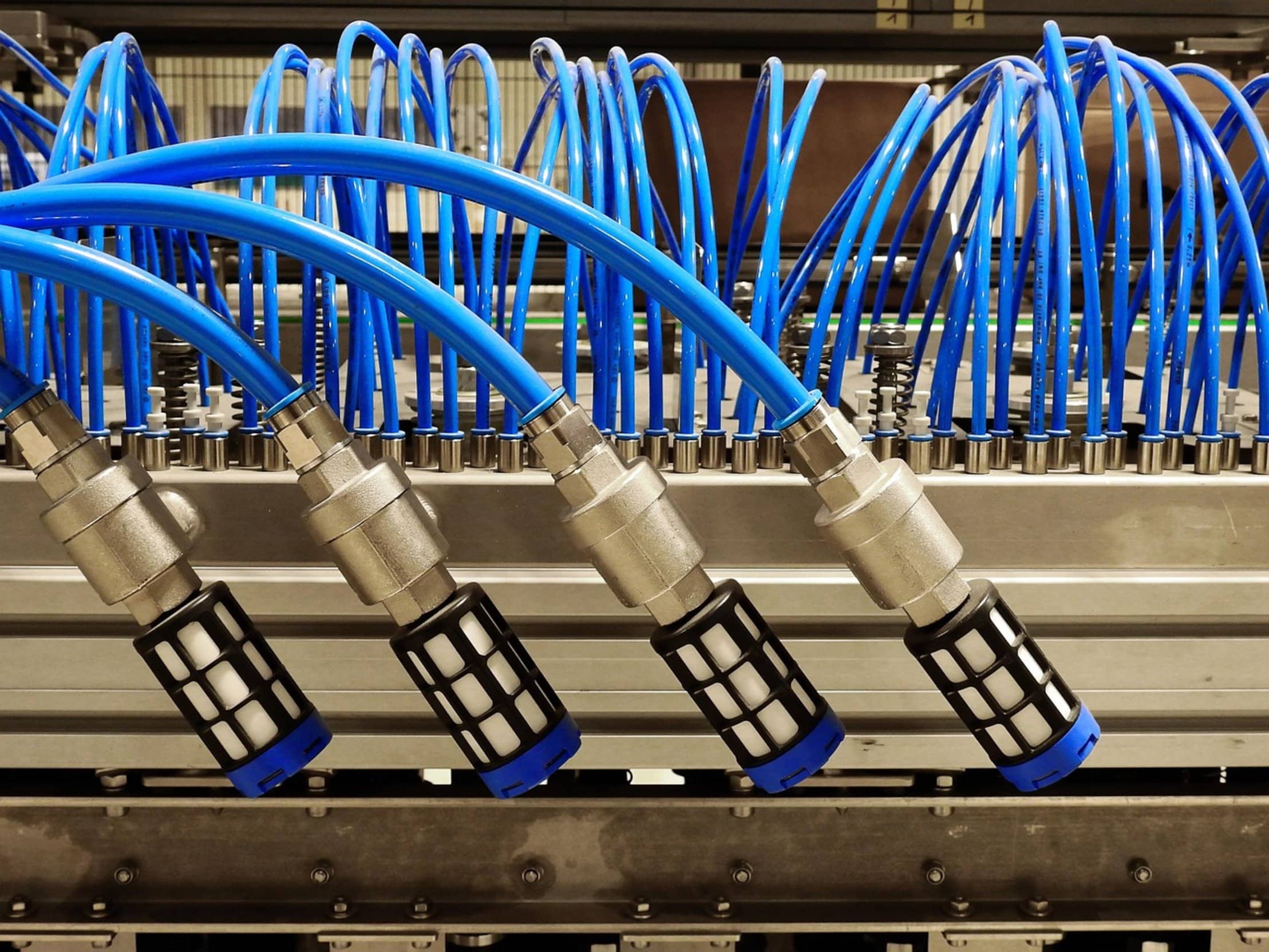
Some reels includes tubing, but most can be upgraded. You should use tubing rated to the max pressure of your compressor. Avoid the mistake of buying a cheap hose that isn’t reinforced.
Because those hoses expands under pressure. This reduces airflow. Tubing from companies like General or SharkBite does not kink easy.
Kinky tubing doesn’t move air and put stress on the reel mechanism. Retraction mechanisms comes in various forms. Many are simple centrifugal clutches.
As you pull, the force break the brake and the drum turns. When you let up, spring tension retracts the hose. The problem with this type is that the spring must be strong to work properly.
Low cost models often uses a weak spring, which means you have to manually reel in the last few feet. High end models from Campbell Hausfeld or Chicago Pneumatic are robust. They engages easily and retract all the way each time.
Wall Mounts Versus Floor Stands
Where do you want your reel to live? If it’s going on a wall, it has to be anchored well. Wall mounts also comes off the floor to save some space.
They need to be mounted high enough not to get in the way of tool chests and vehicles. A floor stand is more flexible for placement but use floor space. Some have both so that tends to mean compromising.
Figure out which one you’ll use most then drill those holes. Typicaly a middle wall mount in the shop will give you the best coverage. It’s easy to maintain.
Maintenance and Long Term Care
Avoid neglect. Service moving parts at least once a year by lubricating them so they does not seize. Before large projects check your hose for leaks or cracks.
A slow leak will cause loss of air and slow you down. Clean any dirt and other material from inside the drum as it can gum up the works. Maintaining your reel will extend its service life.
A good reel and hose are key to saving time and energy for more productive shop work. The wrong reel will hurt your productivity because there’s always some kind of friction. Pick what works best for you whether plastic or steel.
Pick one that can handle the load so you’re not thinking about your reel, just doing the job. The hose should also retract smoothy. That’s where a good reel earns its keep.