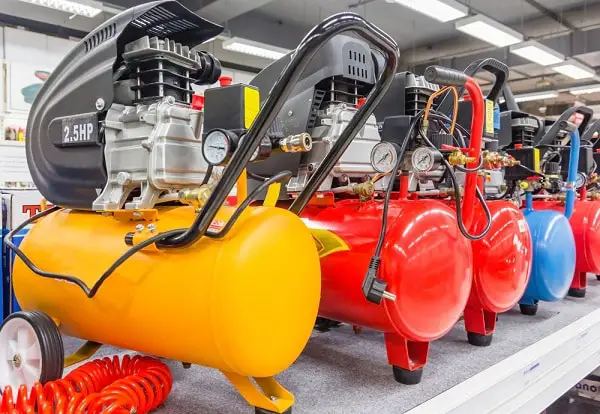
When choosing an air compressor, there are many sizes and power levels to choose from, but you must know what you want out of it. Every tag will have a CFM (cubic feet per minute) specification listed. That’s the amount of airflow the air compressor can deliver, not necessarily how strong it is.
So having a higher CFM doesn’t necessarily make it a better compressor for your purposes. It tell you that it can push out more air. The key are matching the volume of air being pushed to your tools.
If your tool isn’t getting enough air, it’ll sputter. PSI mean pressure. Most people think only in terms of PSI (pressure).
Yes, a high-pressure compressor is going to shoot out paint well and drive nails into wood. But what good are a bunch of pressure without volume? Both is required for best performance.
So how do you know if you want an air compressor with a lot of volume or just some? Do you need sustained airflow or just quick bursts? Not knowing will cause you to potentially overbuy or underbuy.
In either case, you’ll have to make a purchase. It’s all about matching the flow to your task. Power.
How To Choose The Right Air Compressor
Understanding CFM and PSI Requirements
There’s also a certain midpoint on the market that I’m talking about: a 20 CFM model. It’s not the smallest option available, but it isn’t a large commercial unit either. It is for light professional use and serious DIY work.
Benefits of 20 CFM Compressors
It is ideal for tools needing constant airflow but not necessarily taking up a lot of space in your shop. Knowing where this sweet spot is will help you avoid purchasing more than needed (or less) This range works well if you are a homeowner performing your own remodel. For example, finish nailers and brad nailers for trim and drywall eat through air.
With a small tank, it can be empty by the time you reach the end of a line. However, with a twenty CFM compressor, the air tank will refill in no time and keep pace with your workload. The compressor doesn’t have to turn on and off, which allows you to stay in the groove without losing momentum.
The result is that a quick job doesn’t drag into a long project. This feature apply to small businesses as well. For example, the furniture refinisher or mobile mechanic doesn’t use their spray booth or impact wrench all the time.
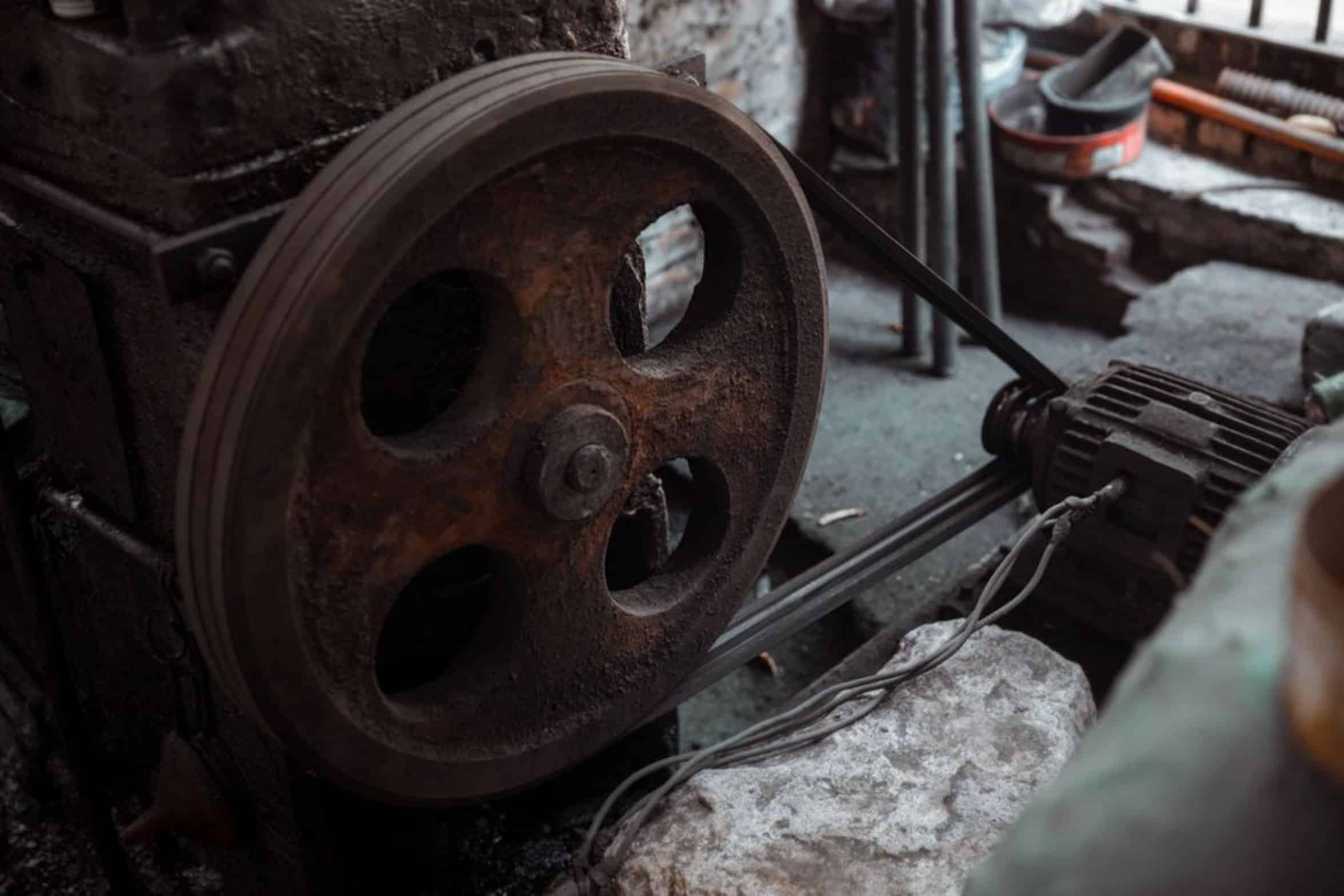
They don’t typically sand very long either. So, they want something portable and reliable. Also because the unit is usually belt driven, it’s going to be cooler and quieter running versus a direct drive compressor.
Belt Drive Versus Direct Drive Systems
That’s a big plus because you can run several tools throughout the day on a single unit before it overheats. The downside is that due to size, it won’t fit up a ladder easy. This isn’t usually your main power tool in an industrial environment.
In a factory they have huge grinders and sanders running 24/7, requiring much greater flow rates. In this application a twenty CFM compressor would be cycling on and off way too often, shortening the life of its motor. That said, for extra uses these is great compressors.
They drive small assembly fixtures or pneumatic controllers where vast infrastructure isn’t required. As such, they’re good utility players for a bigger shop. Another choice is selecting between an electric model or a gasoline model.
Electric Versus Gasoline Power Options
For inside jobs, you’ll likely choose electric; it’s simpler to maintain and doesn’t stink up the place. If you need mobility because there is no outlet at your site, then a gas model will work; otherwise, expect noise and smells. Think about where you’ll be using it before committing to one type of unit or another.
Also, if you’re running a 20 CFM gas compressor, you’ll want some ventilation (because they produce fumes). By contrast, the same flow rate in electric form would be less troublesome indoors. Be sure to check your electrical setup, as heavy duty electrical circuits is required for these high-flow rates.
Setting a Budget for Your Purchase

The budget And then there’s budget: The bigger the CFM rating, typically, the pricier. But you’re only paying for what you’ll be using. There’s no sense in buying a thirty CFM unit when you only plan on using it occasionally for trim work.
Not only does it cost more upfront but you’re stuck maintaining something much larger (which increases weight). And it’s louder too. Stay within the capacity of your heaviest tool.
Then give yourself a little wiggle room for efficiency but don’t run after top-of-the-line specs that won’t see any action. Match the spec to what you’ll really be using, that’s smart buying. Then it’s like you have the right compressor as part of what you do.
No longer do you think about getting air, but you’re crafting. Whether it be bike repair or cabinet installation, when you match demand with flow, it just flows better. It makes the task rhythmic and less of a chore.
That is the benefit of finding the right balance for your task.