
DISCLOSURE: This post may contain affiliate links, meaning when you click the links and make a purchase, I receive a commission. As an Amazon Associate I earn from qualifying purchases.
Tractor Supply Company, Finding the Right Compressor A wall of metal tanks that each seem to say the same thing. Reliability. Power.
Smooth operation on the farm. But it’s not usually a question of straight-up horsepower. It’s a matter of choosing the right tool for how you work.
Are you pumping up tires in the morning? Are you running nail gun to fix a fence? I use the largest size tank I can get away with.
Most folks does that. Big tanks is heavy and take longer to recover. Perhaps you don’t require that much capacity.
What you need is proper flow rate and pressure for what you’re using. Knowing the difference save you money. And it’ll save you some back pain trying to lug the compressor from place to place.
How to Choose the Right Air Compressor
Pancake Compressors for Basic Jobs
Why do we have so many pancake compressors on the cheap shelf? They gets the job done. They’re lightweight, so you can slide one under your workbench without a problem.
Their low profile design also keeps the center of gravity down. This matters if you are working on uneven ground. For basic jobs, they’ll get it done.
Need to power a brad nailer or maybe inflate your tractor tires? Those jobs is fine. Continuous demand?
Not so much. Spray painting? Be prepared to wait while the tank fills up.
That’s the price paid for portability. A good trade-off for occasional user. Check out the upright tank models if you are doing more than occasional work.
Upright Tank Models for Continuous Use
These will have more air in them. They offer more capacity with a similar floor footprint because they’re designed vertically. That’s going to give you longer runtime between the motor kicking on and fewer interruptions during a job.
The downside is the noise is typically louder then that of a pancake style and the vibration can be felt on a concrete floor. However, it also gives you endurance. You’ll be able to run your impact wrench longer.
It’s a step up in capability but doesn’t reach those industrials sizes. Alternatively, there are two-stage compressors that compress air twice before putting it into the tank. This makes them more efficient at creating higher levels of air pressure.
Two-Stage Compressors for Heavy Duty Work
The tank also contains cooler air and cool air means less moisture. Moisture is bad because it jams your tools and causes them to rust. Expect to pay big bucks for these guys.
They’re also heavy and eat up a lot of space. If you use heavy-duty tools on a regular basis, then you’ll be happy with one of these. For weekend projects, however, it’s overkill; but if you have a busy shop, it’s perfect.
If you loathe maintenance, look for oil-free models. You don’t need to check oil, but you still need to clean the intake filter regularly. These machine are cleaner.
Oil-Free Models and Maintenance Trade-offs
The bad news is that they don’t last as long (internal components will wear out sooner compared to oil-lubricated units). And there’s a slight loss of efficiency (motor has to work a bit harder at the same output). Don’t take this road if you plan to use the compressor for longer than 10 years.
If five years sounds right; zero maintenance for five years, it may be worth it. Make sure you know your timeline first. Portability continues to be important to most buyers.
Carrying a five-gallon unit around isn’t going to work in the mud, so those bigger units with the wheel kit make it doable on paved surfaces. Make sure and look at weight capacity of the wheels. The cheap plastic ones crack under load; metal wheels don’t but they increase the weight.
Portability Features Like Wheels and Handles
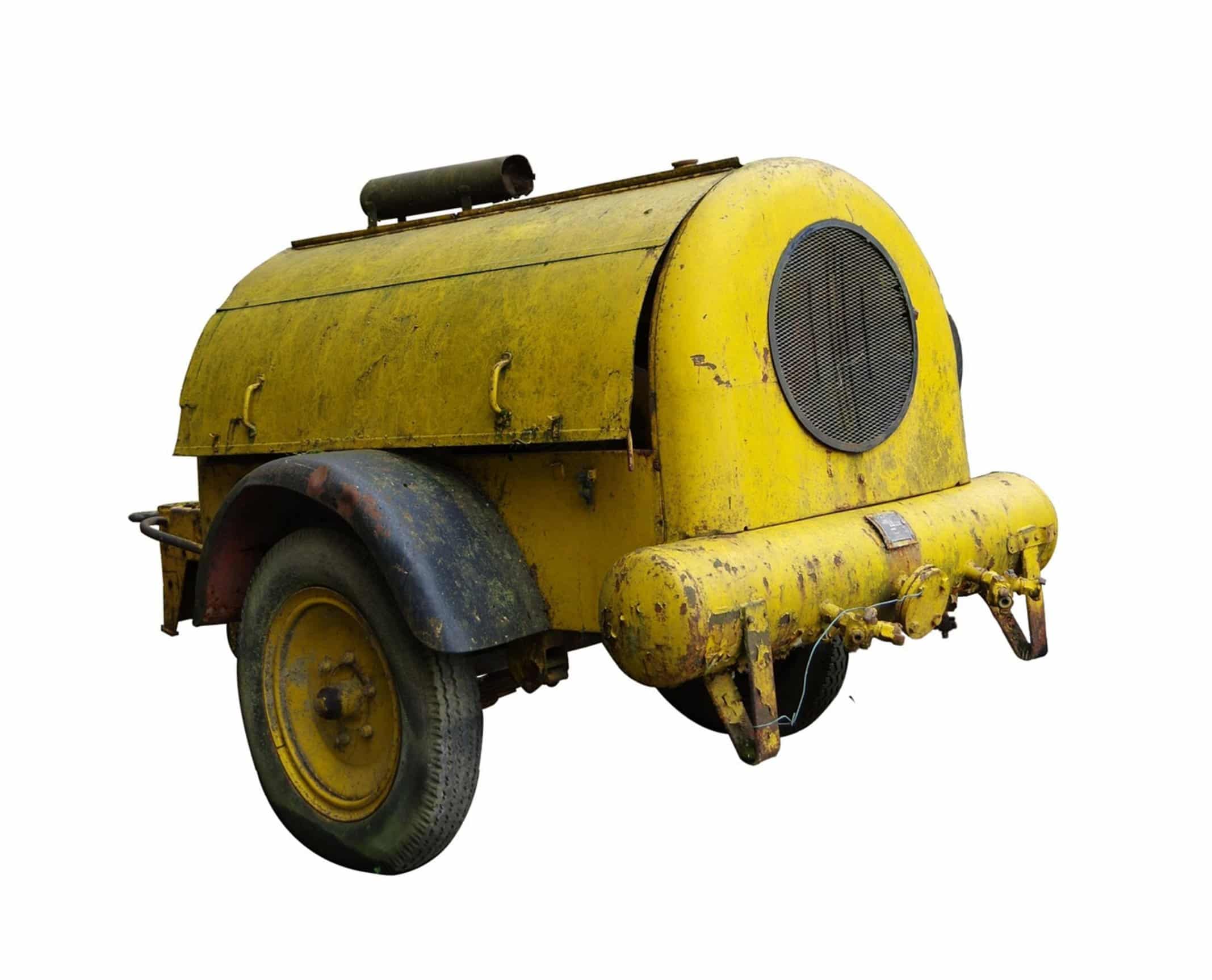
The handles should be solidly attached. Nothing about having a handle that’s wobbly is a good idea. How easy something is to transport can equal or even outweigh power output.
When you have to take it somewhere for another job, you’ll be glad you got one that was easy to carry. You don’t think about how noisy your compressor is…until it’s too late. Neighbors complain, pets gets stressed out and conversation is impossible.
Inverter technology reduces noise by adjusting the speed of the motor according to the demand. If I’m not needing to blow air, I don’t blast it. They cost more initially, but energy savings will begin to add up over time.
Inverter Technology for Noise Reduction
The instant peace and quiet will also make you realize just how much you have been missing. Think about the environment in which you’re working. It’s worth every penny for peace of mind.
The last challenge is maintenance. Clean your intake filter regularly. This prevents debris buildup in the motor.
Routine Maintenance and Filter Care
Change the water in the tank weekly. Failure to do so will cause internal corrosion. Power doesn’t matter then.
Check the belts if you have a belt-driven model. Tight belts tear out quickly and loose ones slips when under load. Get ’em right there in the middle.
They’ll go further, and a bit of attention can extend the life of the machine a lot. No one compressor is best. There are no perfect machines.
They are only tools for certain jobs. Start with the hardest thing you’ll throw at ‘er and work up. Don’t buy too much, but don’t buy too little either.
And by all means, don’t make a decision based off cost alone; you’re balancing cost vs. Convenience vs. Size vs. Power. Find that sweet spot and your garage will thank you for it.