Sometimes you run into this frustrating scenario where a rusted bolt simply wont budge no matter what you do. Even if you has the right size drive, leverage and maybe even a cheater bar, the darn thing doesn’t want to budge. So with one last burst of effort, the socket shears away and head of bolt spins free.
This have taught me that not all sockets is created equal. So why do I say this is the weak spot of an impact socket? Because most DIY’ers has a bunch of showy chrome socket that were cheap and make them seem like professionals.
Key Differences Between Impact And Regular Sockets
The Dangers of Using Chrome Sockets with Impact Tools
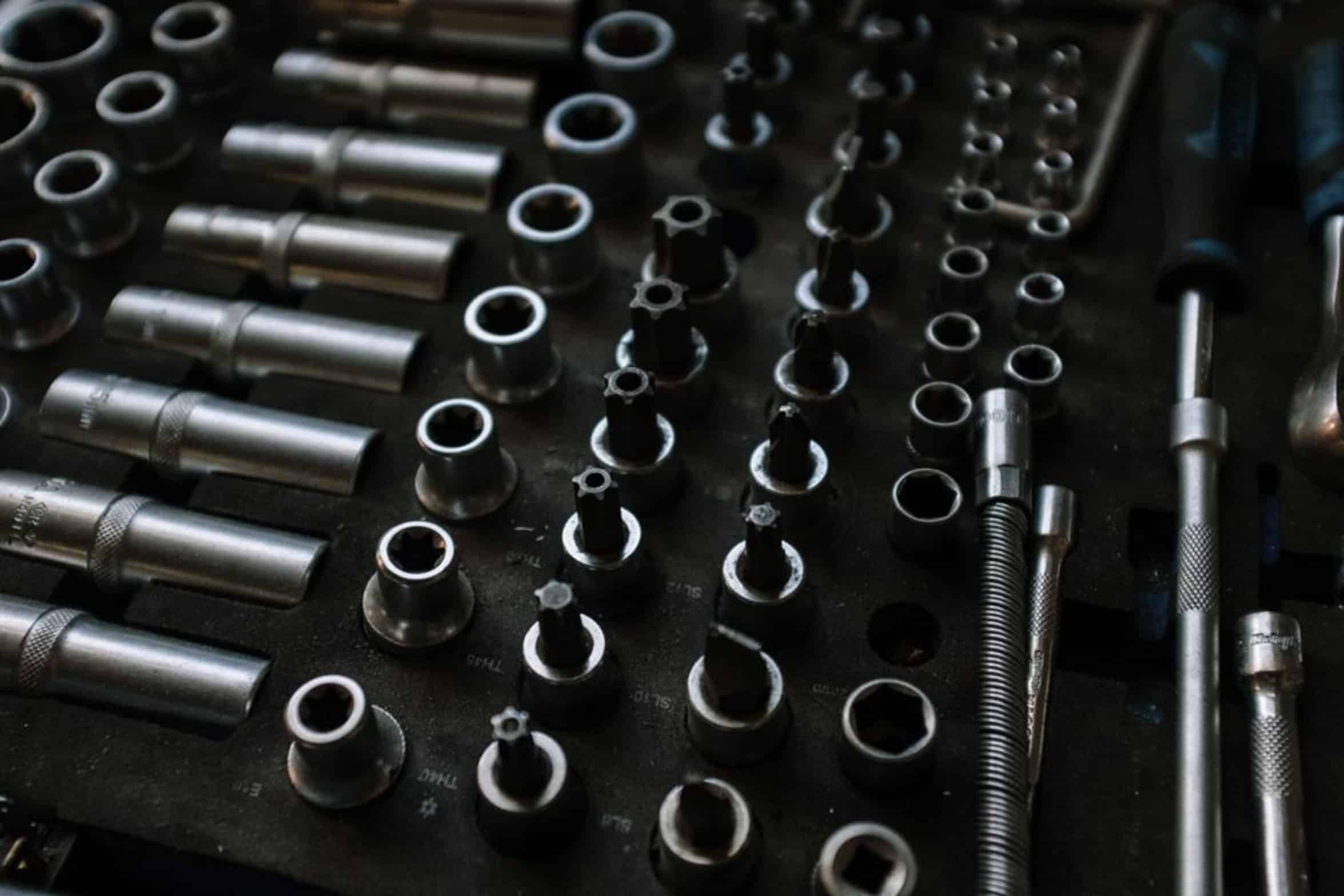
Chrome sockets is fine for lower torque applications and with hand tools. But if you try to use a chrome socket on high torque electric driver or air impact wrench, you risk destroying your socket and the fastener. The tool are not appropriate for the application.
Why know the difference? Time, money, frustration. There’s one major difference.
Wall Thickness and Steel Strength Differences
Steel type/temper and wall thickness. Standard chrome sockets is made for hand usage, so they is made thin to save on weight and cost. They are comfortabley to grasp and allow you to see inside easily.
But the thinness also makes the socket brittle when faced with sudden high shock loads. To resist repeated hammering blows, impact sockets features much thicker walls to give them the strength they need. It’s just a matter of weight vs. Durability.
Finish Types and Surface Texture
The outside finish also gives you an indication of manufacturer’s intent. Sockets used regularly typicaly have a shiny chrome finish, which look nice hanging on a peg board and is resistant to corrosion. Chrome are decorative in this case and contributes almost no additional strength.
Impact sockets will has either a black oxide finish or a phosphate finish. Both are duller then chrome, don’t reflect light and have a rough surface to help the socket engage the drive tool more easy when vibrating. They use a thicker grade of steel without cracking during the coating process.
Tempering Process and Durability
This is where the biggest difference in performance happens as the tempering process occur. Increased wear resistance require harder steel, but that steel are also brittle. When you apply the violent and sudden torque of an impact gun to it, brittle material likes to snap, not bend.
To counter this, the steel used in impact sockets are tempered so they is softer and more ductile. That means they flexes slightly under extreme stress and return to their original form. What happens here is impact socket absorbs the energy of the impact and doesn’t transfer it into a fracture point.
Safety Benefits of Impact Sockets
There’s one overriding factor behind all these different designs (safety). If you put too much pressure on a normal socket, it can breaks and send bits flying around your shop at bullet-like speeds. An impact socket will fail “safely,” meaning they’ll strip out or round over before they explode.
Will you wreck an impact socket? Sure. Will you blind yourself and lose some teeth?
Nope. The second thing about them is that their thickness actualy protects the fastener as well. Thin sockets can flexes so much they’ll round the corners of a hex nut.
Choosing the Right Socket for the Job
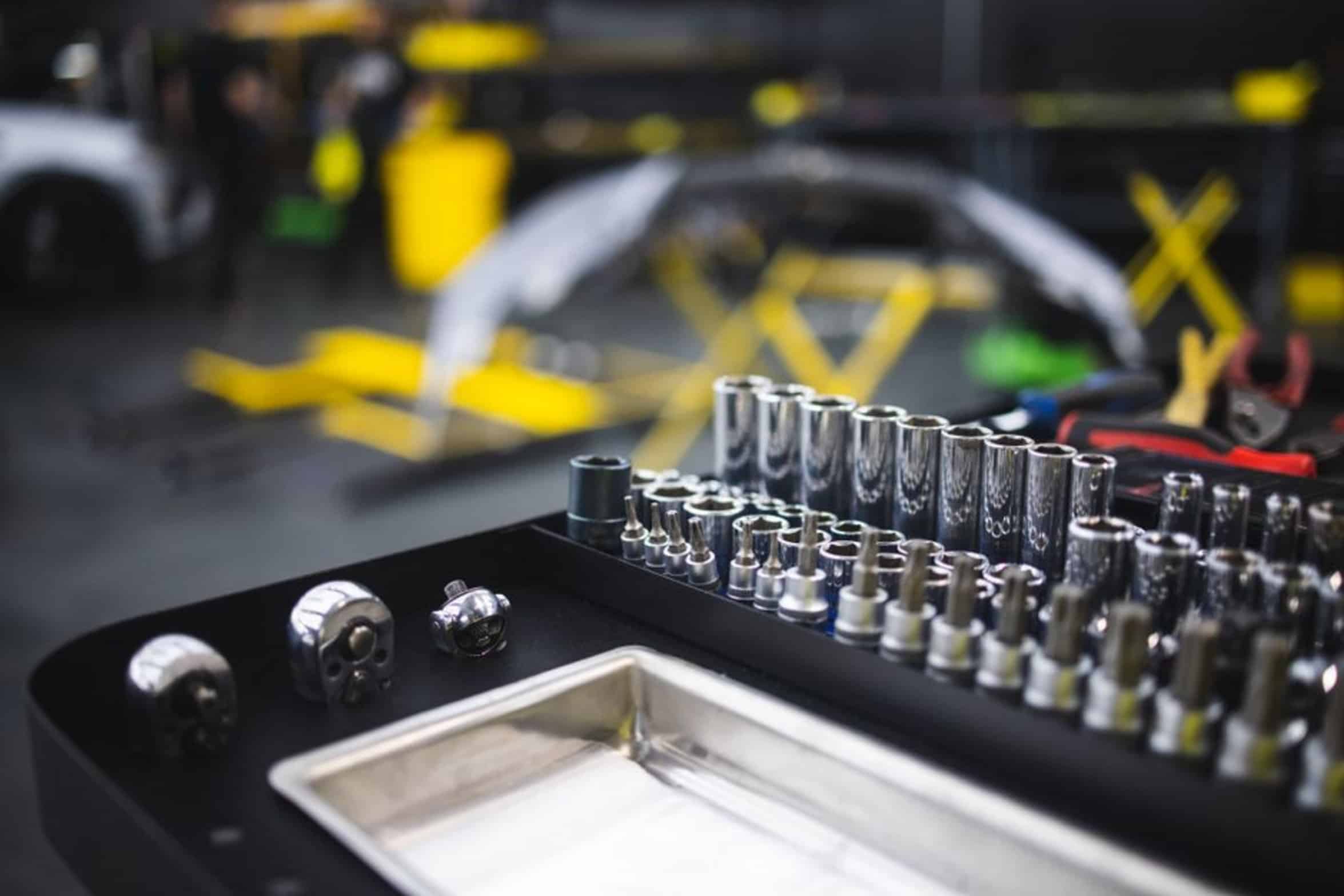
Thick impact sockets keeps their shape and hold the fastener securely. Don’t break the bank buying an impact socket for everything. Impact sockets cost more and weigh more than their chrome cousins.
It’s also just dumb to lug around a heavy socket if you’re just changing a spark plug. Keep ’em both in the tool box, that’s what I say. Stick with chrome for low-torque electric drivers and hand wrenches.
Save the thick walled impact sockets for heavy suspension jobs or rusty bolt. Use them when you’re using an impact wrench. Amateurs use sockets; Pros knows when to change them.
Listen for that odd rattle of an air hammer or an impact driver. Feel that violent thud of a tool? It’s time to inspect your socket.
Is it thin with shine? Time for a new one. Thick with dullness?
You’re set. Size matter…but so does strength. And knowing the difference preserves your tools and gets your job done.