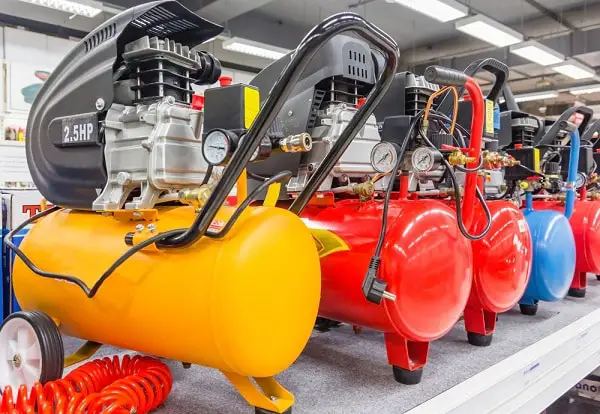
It’s been a long day at work. A pipe has sprung a leak. Or maybe you want to put up some drywall.
You head over to big box store to handle things. Time for some air! There on the rack is a compressor that says Costco on it.
Price tag seems reasonable enough. But now what? Do you trust bulk retailer, or do you go off to a specialty shop and pay more to buy name brands?
On one hand, this comes down to a question of money. Shouldn’t we save where we can? On the other hand, what are we realy getting for our money?
How to Evaluate Costco Air Compressor Deals
Why Costco Air Compressors Are a Good Deal
What if the unit you’re looking at happens to be a Lincoln Electric this month versus a Harbor Freight store brand last month? How do you know if there isn’t something else in play here different than just the price tag? The answer lies in taking a look at mechanism behind the deal.
What does the Kirkland signature say, after all? The only thing I will say about this is that most of these compressors aren’t made by Costco, they’re white labels from established manufacturers. Sometimes those names is well known, like Porter Cable or Lincoln Electric.
Other times they has more generic branding but are generally mid tier brand. What does change? Because Costco have the scale to use their purchasing power, they gets the best price out of the manufacturer, which means that if you’re comparing Costco vs local retailer, they can undercuts them by a considerable amount.
In essence, you’re not paying markup for the retailer’s overhead, you’re paying the markup on the tool. That alters the risk equation for consumer, because when you walk into your local specialty store, you are paying for local service and brand loyalty. At Costco, you’re paying for efficiency of buying in volume, and the equation become clear.
While it lacks some of the bells and whistles of a higher-end, top-tier model from California Air Tools or an Ingersoll Rand, you also won’t be paying that premium markup price for them. That’s actualy the sweet spot for most homeowners. Of course, one must consider durability when choosing a power tool, and that goes for compressors as well.
Understanding the Brand and Quality
While each partnership brand at Costco produce their own builds, recent releases has been incorporating cast iron pumps, which tend to hold up better than aluminum. Cast iron is harder wearing and lasts longer. So, if you’re looking at a model with an aluminum pump, beware.
That baby’s going to work great for those tire fills but won’t last long on heavy duty nail gun tasks. Costco realy shines here with warranty coverage, because they has a famously liberal return policy. Six month?
Take it back. Most hardware shops has tighter returns. Having this safety blanket reduces your risk in purchasing a lesser known brand name and in effect covers the possibility of failure.
Checking Pump Material for Durability
The Safety Net of Costco’s Return Policy
Not only do you get piece of equipment; you get peace of mind about how disappointed you could of been. Also think about noise, as most entry-level compressors is noisy. They are like a jackhammer in a library, although I have seen Costco starting to stock some quieter units (in the 60 to 70 decibels).
They’re still noisy but doable indoors as opposed to outside. So read the specs. If you intend to use compressor in an attached garage or other space within the house, get a quiet compressor.
Noise Levels and Indoor Use
It’s worth the few dollars difference. When looking at compressors, the horsepower rating doesn’t matter nearly as much than the size of the tank, since you’ll be able to work longer between compressor cycle if you’ve got a bigger tank. If you just need to do some nailing, a six gallon tank will work; if you want to paint or sand, then you’d better off with a twenty gallon tank.
Costco tends to carry variety, so just choose the right size based off what you’ll need to accomplish on each job. Don’t upsize just because it’ll fit in the closet… You don’t save anything by buying too small either.
Choosing the Right Tank Size
Final Verdict for DIYers
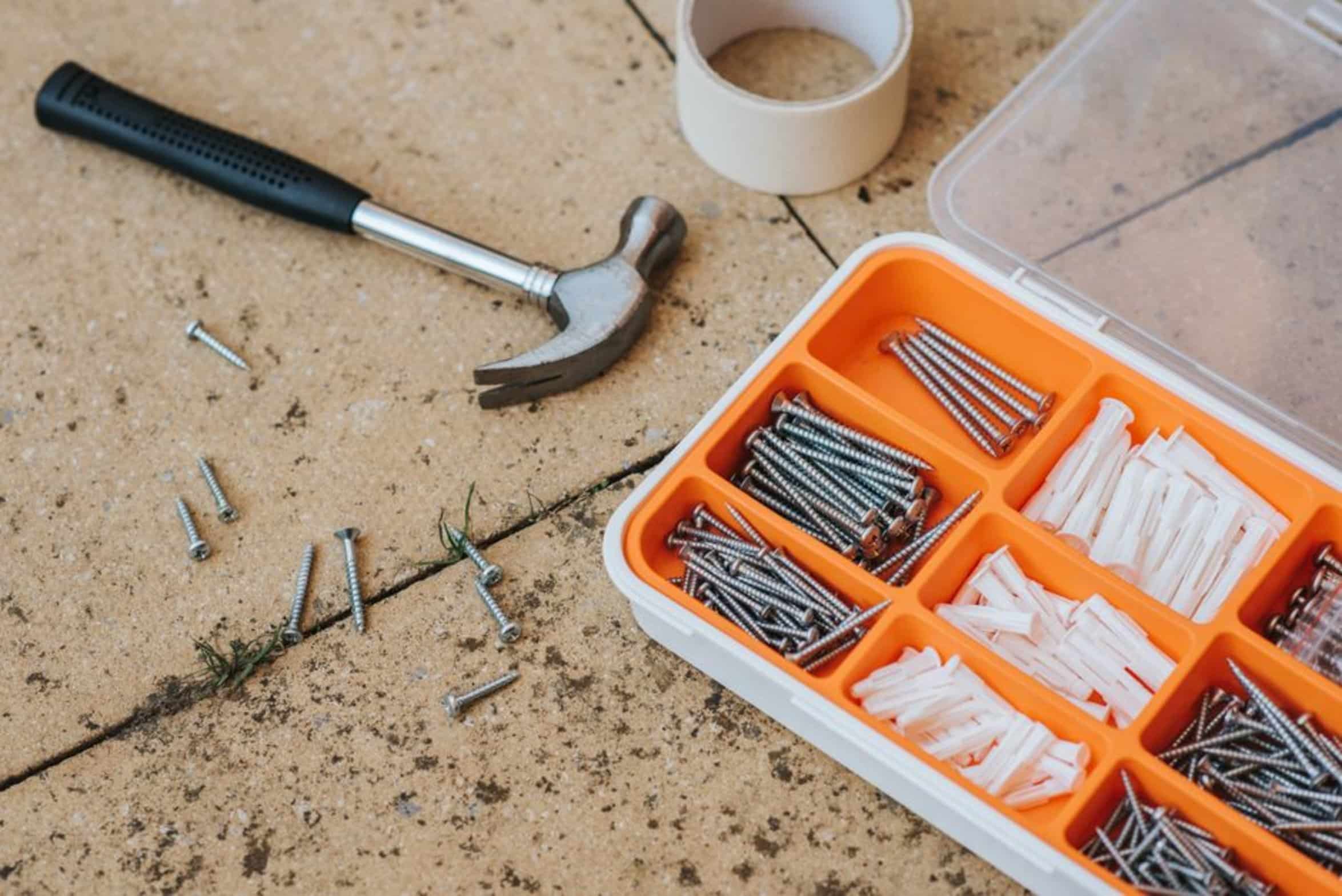
So, in summary, if your expectation management is intact, the deal’s good. You’re not getting a pro grade machine at this price. You are getting a capable tool that performs better than its price suggests.
And as a DIYer, that makes it a practical choice. For those who need to know why something like this would work, the answer is, simply put, it get the job done, while also not breaking the bank. Know the tank size, know the pump material and then rely on the return policy if necessary.
The thing is not magic but it is a bargain. It is smart shopping.