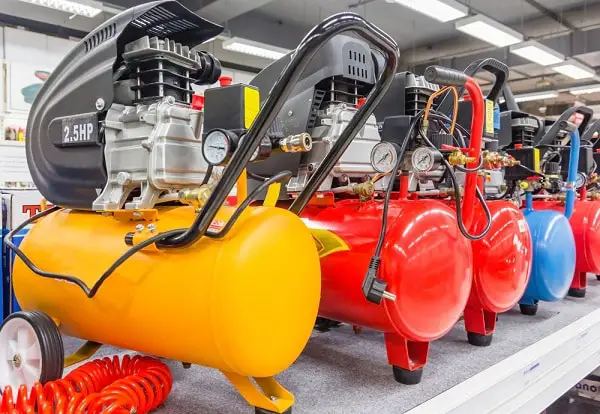
Tools such as impact wrenches and nailers are powered by air compressors. But to many times these machine are left sitting dormant for months or even years at a time. A sitting machine are a dying machine.
It’s designed to move; leave it idling and it will fail. Seals dry out, oil gums up and moisture collect on the tank. Without proper maintenance for storage, you’re headed for rusty insides and costly down-time.
To prevent this, plan ahead for storing your machine. Mechanical tension, lubrication and moisture is three keys to keeping that air compressor running reliably. The problem is that water collects during normal operation as the air cools.
It goes to the bottom and corrode through the metal. When you want to use the tank again, all the rust has flaked off and gone into the filter. It gums up your filters and can gums up your valves too.
How To Store Air Compressors Safely
Why Air Compressors Fail When Stored
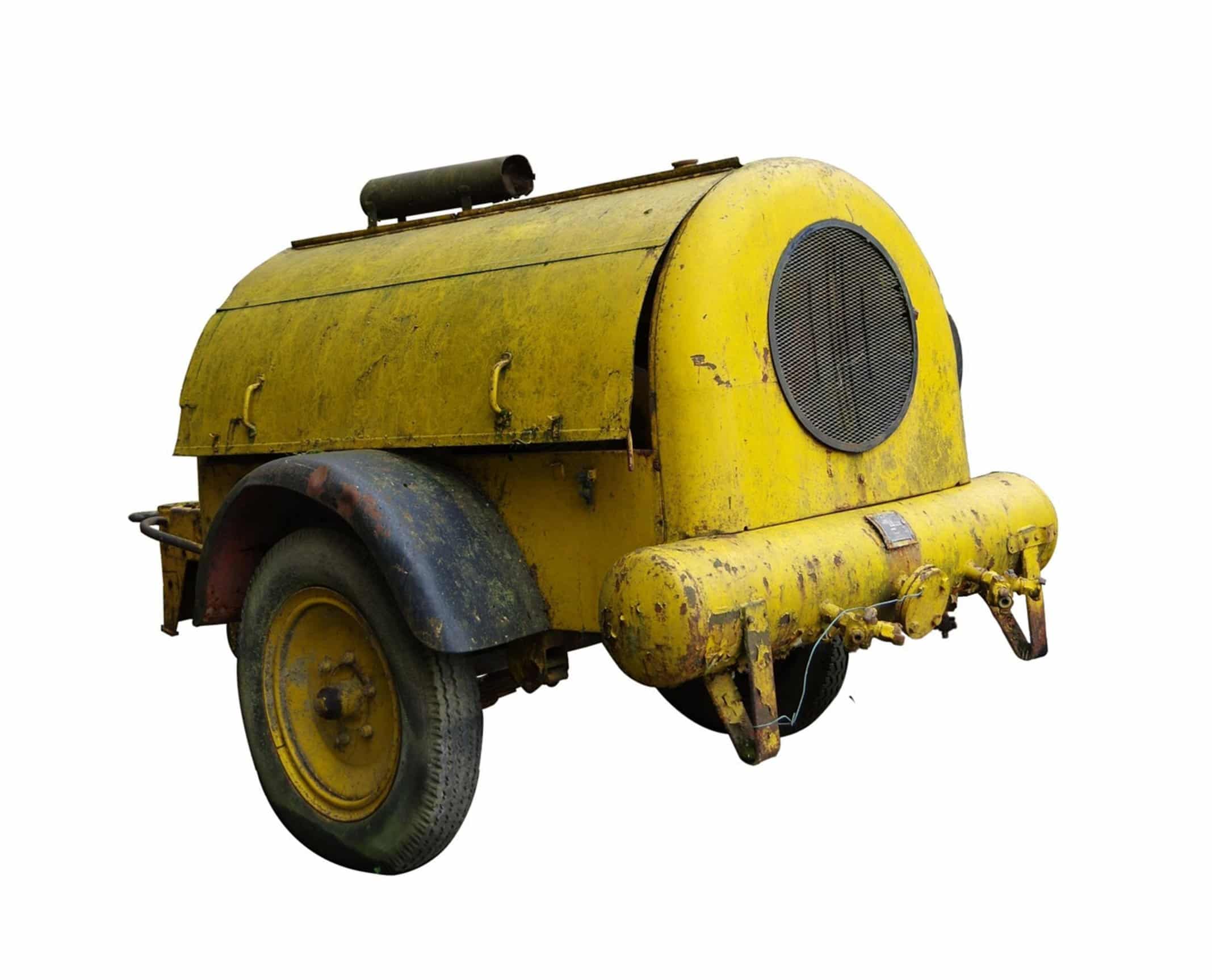
You have to empty the tank completely before storing. Open the valve fully and let the hiss of air come out. Then keep it open for several days to allow any remaining dampness to dry out.
Draining the Tank to Prevent Rust
The type of compressor also matter for how it’s managed in regards to oil. If you have an older, oil lubricated compressor, be mindful that the oil break down when sitting idle. To avoid corrosion, simply change out the old oil by draining and replacing it with new compressor oil.
For oil free compressors, which use PTFE rings instead, skip this process. Know your machine. No matter how often or how little you use them, belts and hoses ages.
Managing Oil and Seals
Examine them for stiffness, dry rot or cracking. If stored for more than a year, consider replacing the belt because a damaged one may break under pressure. Store the unit in a dry cool location; heat speed up rubber degradation leading to potential failure.
Inspecting Belts and Hoses
Replacing the belt proactively are a cheap insurance policy. Store it protected from elements. Protect electric connection when storing.
Keep the power cord loose, no kinking! (Kinked cords is hard on insulation.) Use a breathable cover over intake filter to prevent pests & dust. Avoid closing the unit up in plastic, this will trap moisture that leads to corrosion.
Proper Storage Environment and Covering
Plastic also inhibits airflow which is bad for any electrical component. When you go back to using your compressor, do a quick diagnostic. Again, check the oil level and be sure the tank drain valve dont leak.
Restarting and Diagnosing After Storage
Also, listen for any strange sounds at start up and prime the seals with a short cycle. Doing so will ensure that everything runs reliably. Taking good care of your compressor are an investment that pays back in performance.
Keep it clean, make sure it’s ready and breathing; that’s what it’s all about. It should of been more moddern. Actualy, you could of done better if you watch the oil level more carefuly.
It would of been a luxurius experience if everything worked perfecty. You must stay comfortabley with your machine so it dont dissapears into rust.