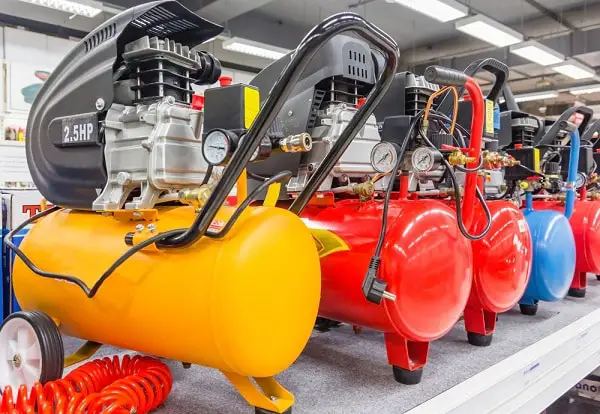
There’s nothing more frustrating then buying a tool for a weekend project and it doesn’t work out. You’ve got the tool and you’ve read the tutorial videos. Yet, your shiny new air compressor won’t start, makes too much noise, or does something else wrong.
It’s all for nothing. The thing is most DIYers think of an air compressor as a generic tool, like a drill or hammer. They are wrong.
Air compressors is a power source… They control how quick you get things done and whether you finish before sun goes down. Choose the wrong one and what should of been a fun Saturday becomes a technical support debacle.
To fix a car or construct a deck doesn’t require industrial strength. All it requires is understanding the language of air. You must also understand which machine work quietly in the background (the right ones) and which are loud and disrupt you (the wrong ones).
Here are some thing to look for in choosing a compressor.
Key Features to Consider When Buying an Air Compressor
Tank Size and Capacity Considerations
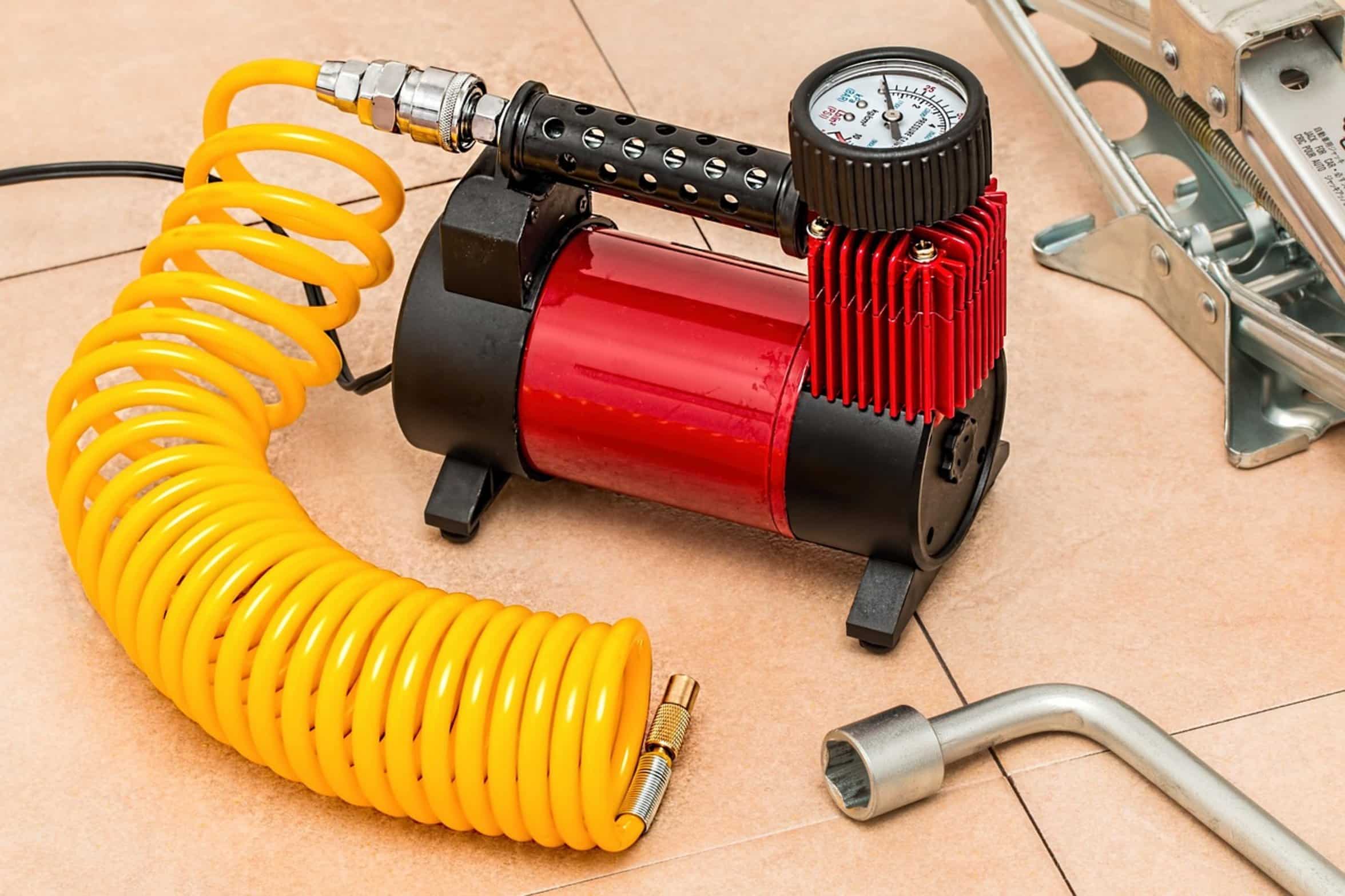
First thing, consider the size of the tank but not the total capacity as claimed by marketers. Continuous run time or space?
Because of their width and thin profile pancake compressors has extremely portable tanks. These light weight and fit easy beneath your work bench but don’t last long on air. Assembling a bookshelf with a finish nailer is fine with a small tank.
Understanding CFM Ratings
Framing a house with a framing nailer? You’ll wait longer for the tank to refill than you’ll spend hammering in nails. Next check out the CFM rating.
That means cubic feet per minute. This is what makes a good tool from a bad one. The CFM rating is typically given by manufacturer at zero PSI, meaning running the tool at no pressure.
Your tools are never going to be operated at zero pressure, so you want to know the CFM at 90 PSI, or whatever your normal operating pressure is on your pneumatic tools. Let’s say that it takes four CFM to operate your impact wrench but your compressor pump three CFM. When it comes time to bust loose on a job with the wrench, it’s gonna’ stall.
You can’t beat physics when it comes to moving air. How much will it get used? The louder it is the less likely that you’ll use it often.
Direct Drive vs Belt Drive Systems
A direct drive compressor has high velocity and are loud. The motor drives the pump directly, making it as loud as a jackhammer. A belt drive system uses a rubber belt between the motor and pump and this greatly reduces noise/vibration.
With a belt drive you can talk while the compressor is running. With a direct drive you can’t talk unless you’re yelling. If your shop is connected to your house, then the belt drive is a must for your sanity.
Oil Lubricated vs Oil Free Pumps
The other major choice is whether to get an oil lubricated or oil free. Oil lubricated pumps weighs more, run noisier, but will also last twice as long. This is great if you’re going to be using it continuously; say running your nailer all day or just need something every now and then like inflating tires.
The oil lubricates and cools down internal part while it’s running, which helps when it’s being used continuousy.
Portability and Wheel Styles
Portability matters more than you think until you have to move the compressor across the shop. Four wheel cart style compressors can be rolled easy.
Pancake-style compressors with only two small wheels are difficult to push, and a stationary tank on a stand cannot be moved. Consider your work space. Are you painting a ceiling?
Then the compressor need to go where you go. If it is anchored to one end of the garage, you will be tied to a fifty-foot air hose and tripping all over it. Flexibility avoids frustration.
Duty Cycle Explained
Last but not least, think about the duty cycle. This is the percent of time the compressor will operate without overheating. If you buy cheap compressors, they typically has a low duty cycle, which means they can only run for 10 minutes then have to cool down for 20 minutes.
That’s great if you’re doing a quick project. It is not good if you intend on working all day blowing out dust and sanding away. A higher duty cycle mean the compressor won’t trip out on itself in the middle of your project.
That’s what the best compressor is for; it’s the one that fits your particular workflow. It is not necessarily the biggest tank or most expensive brand, but the one that solves the problem at hand. When you have the right mobility, noise level, and air pressure, the tool dissapears from your mind.
All that’s left is the work, and that’s where you want to be all along.