In a wastewater treatment plant, a factory floor, you don’t notice much that move itself. Doors close. Valves open.
Arms swing around. Everything do so with a precise mechanical push, and a quiet hiss. The force behind it isn’t usually an electric motor.
It’s compressed air. Enter pneumatic actuators. These are the unsung heroes of todays automation.
They transforms unseen air pressure into real-world motion. It is simple physics in action. But selecting the proper one isnt as simple than picking a size.
A bad actuator on a piece of equipment at a chemical plant mean a leak. In an auto assembly plant? Hours of shutdowns.
It’s not just purchasing a part, you’re purchasing safety, speed and reliability. And there are many to choose from. Each is designed for a different purpose that is better than any other.
Knowing these differences help prevent catastrophic downtime that can cost thousands of dollars. You will waste less money and know up front which one is best suited for the task.
Understanding Pneumatic Actuators Types and Uses
Linear vs Rotary Actuators
The first big divide in the world of actuators is linear vs rotary.
Rotary actuators rotates a shaft around at some angle. Linear actuators pushes or pulls a rod out along a straight line. Seems simple.
However, many are confused as they both draws from the same air supply. It simply comes down to what you have to move, such as a valve or other mechanism; you need rotary if the load has to rotate. Use linear if it needs to be lifted or slid.
Go wrong here and you fail.
Rotary Actuator Types
There are two broad categories of rotary actuators: quarter-turn and multi-turn. Quarter-turn actuators, as the name implies, rotate 90 degrees.
This can open or close a butterfly valve or a ball valve. These kinds of actuators is dominated by brands such as Auma and Pneumatics Inc. Their design is straightforward and robust. Multi-turn actuators differ.
They will rotates multiple times. They will be used on globe valves or gate valves which need to be exactly throttled. They’re more complicated.
And they cost more. The compromise is control. Precision are gained.
Simplicity is lost.
Single vs Double Acting Cylinders
Heavy lifting is done by linear actuators. There are two types: single-acting and double-acting.
A single-acting cylinder rely on air to push a piston in one direction. A spring pulls it back. In a double-acting cylinder, air push the piston in both strokes.
That provides power in both directions but requires more control valve and tubing. Parker Hannifin and Festo offer some great linear solutions. Cylinders designed for big forces.
Perfect for moving heavy loads or pressing or clamping objects together. Match your force to the load. If too small, it will stick.
If too large, it burns up energy and seals fails sooner.
Speed and Shock Control
The other key is speed. Pneumatic actuators are fast.
Milliseconds fast. That’s what makes them so good. But that’s also what makes them bad if not controlled.
Shocks and slams will damage your equipment. You need throttling valves or some form of cushioning to control the end of the stroke. This seems like a little thing.
But it adds a lot of life to an actuator. You can stop fast. But you want to stop smooth.
Environmental Factors and Materials
Selection is huge due to environment. Actuators are not all created equal. Some live in corrosive chemical plant.
Some live outside in the mud. How they is made matters. Is stainless steel used for corrosion?
Is aluminum used for its lightness? What about seals that can handles extreme temperatures? Ignore the environment and the actuator won’t last.
And the change won’t be dramatic. It will seize up or slowly leak. You won’t see it coming.
Specs such as material certifications and even IP ratings exist for a reason… To help you know if it will survive. It’s not marketing fluff.
It’s a metric of survival.
Air Quality and Maintenance
And there you have it: the last part of the puzzle is maintenance. Actuators need dry, clean air.
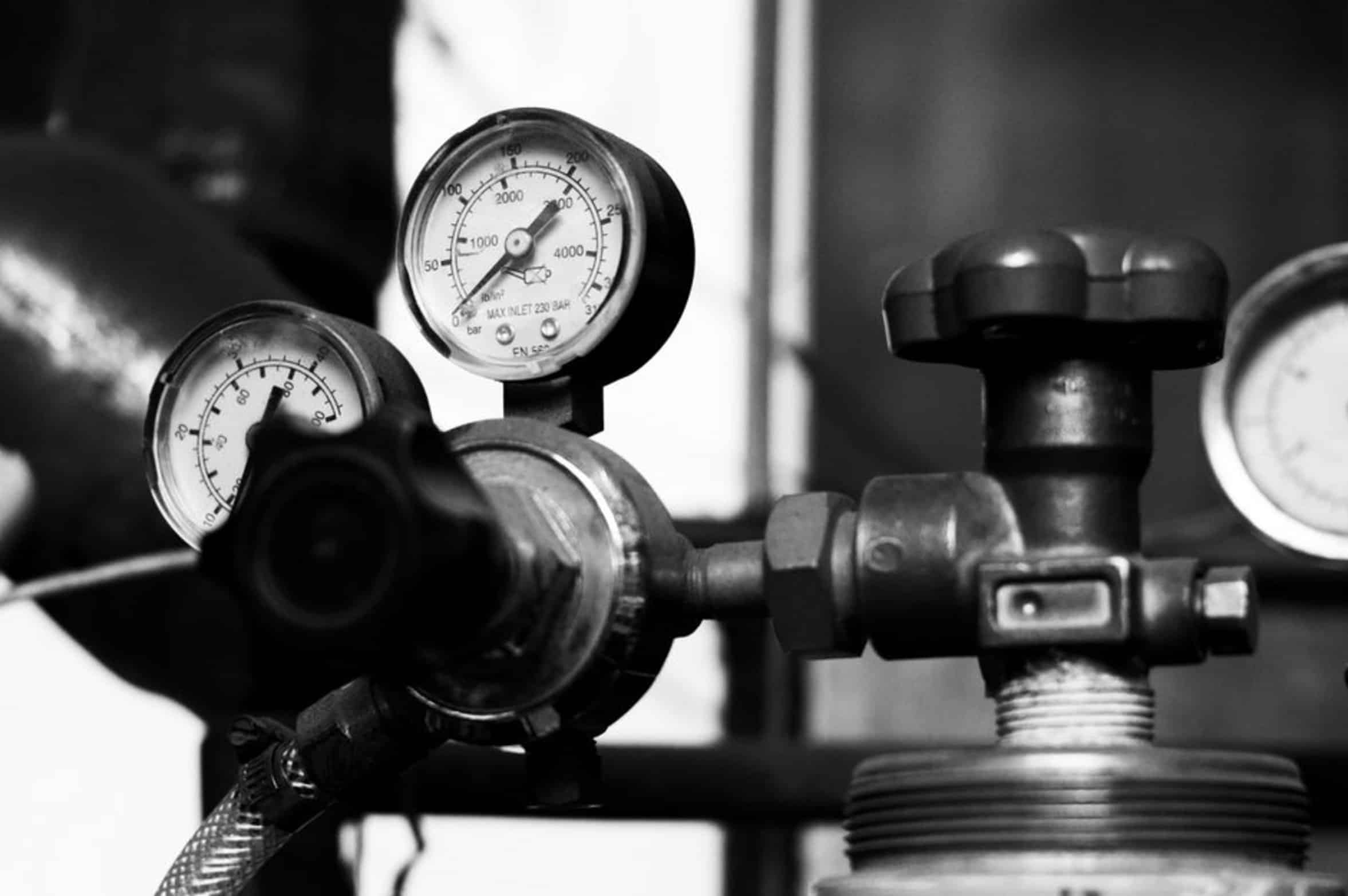
Oil and water in your air line will kill them. Install regulators, filters, and lubricators. This is often called an FRL unit.
Without one, disaster is waiting to happen. An FRL runs for pennies per day. Replacing a destroyed actuator costs thousands.
Easy math, right? It is a common mistake. You should of not skimp out on good air quality.
Picking an actuator isnt about picking the strongest. It’s about picking the right one. To do that, you must consider the motion type.
You also need to consider the force required, the speed, the environment, and the maintenance. As each one of these factors narrows the field it also leads you to a solution. This solution will run reliably and quietly for years.
Or it will fail on day one. The difference is in the details. Pay attention to them.
Your automation depends on it.