A thread is a thread. They are all threads. They all do one thing: they tighten up, then make something else tighter still as they spin around on each other.
Or so you may assume. And if you do, that’s why you will think that your air fitting is sealed when it isn’t. Sometimes it’s just a degree of taper and a millimeter of pitch that can mean the difference between a tight seal and a slow hiss.
Understanding NPT And BSP Thread Differences
Introduction to Pipe Thread Standards
It is not about torque but geometry. BSP vs. NPT: What’s the Difference? BSP NPT Unless you want to replace them.
Or pay a ton of money to do so, it pays to know the differance between BSP and NPT pipe thread sizes. This is particularly true if you’re tinkering with hydraulic or pneumatic equipment. While they may appear alike at first glance, these two standards (one originating in the British imperial system; the other in the American tradition of engineering) are not interchangeable.
In fact, mixing them results in ruined seals, stripped threads, and general frustration. In North America, what you are going to find most commonly is the National Pipe Taper thread. Essentials it’s a taper design that tightens the seal as it gets screwed into place.
Understanding NPT Tapered Threads
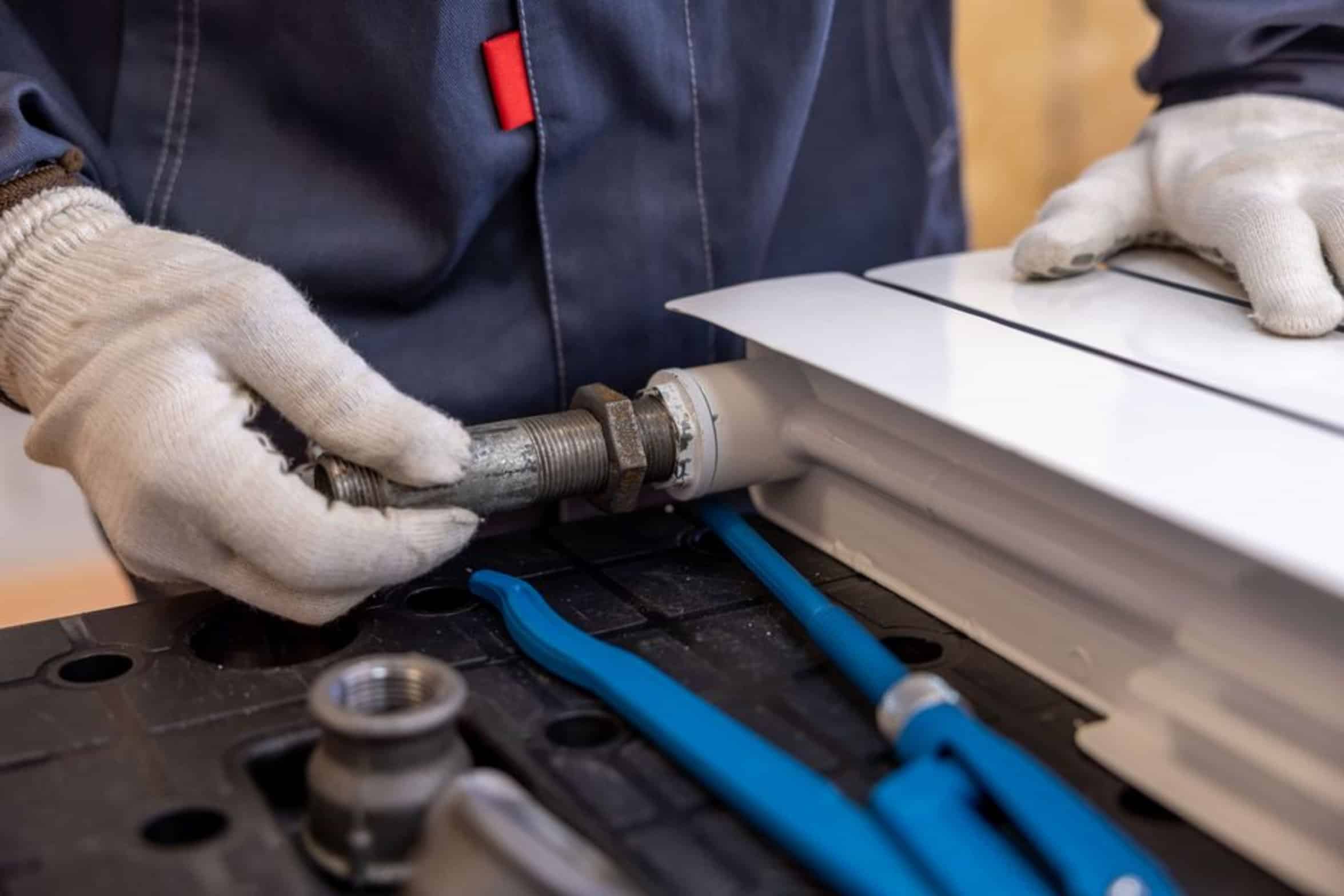
No seal here, just threads. And because of this, the threads has to be sealed using something like pipe dope or Teflon tape. Think of it like an additional layer that fills in the micro-spaces between male and female.
Otherwise, the air will leak out. The taper angle is one degree forty seven minutes on each side. That angle are significant because it squeezes the metal together to create pressure.
Understanding BSP Parallel Threads
Now let’s look at a completely different thread system, the British Standard Pipe thread. It’s parallel, not tapered. As it go into the pipe, the threads do not widen.
The sealing occurs at the face of the fitting. That typically require an O-ring or a washer. That’s why the threads simply hold the fitting in place.
They aren’t intended for sealing purposes. And that makes all the difference if you attempt to use Teflon tape alone and think that will seal a BSP fitting. Over time the force push the fitting out of alignment.
Visual Differences and Identification
It does take some getting used to recognizing the visual variations. For instance, NPT threads is blunt and thicker. They appear more triangular and robust.
BSP threads are more rounded on the crests with a sharper edge. They appear more delicate and finer. One of the ways that you can often visually distinguish between the two is in terms of the pitch.
Generally speaking, for the same nominal size, BSP thread typically have more threads per inch. So if you had two half inch fitting, one BSP and one NPT, there would be more threads visible on the BSP than the NPT. It is a subtle visual clue, but once you see it, it becomes clear.
Measuring Threads and Using Adapters
The only way to know for sure is to measure it. Counting the threads per inch will give you an answer. Or if you have one of those new fangled quick connectors made by companies like Swagelok or Parker, study their specs closely.
There are many of these types of fitting that are made for particular systems. Using the wrong thread type can damage the fitting or the tool. Measure before guessing is my advice.
Guessing wrong will cost you money and time. Measuring correctly will save you both. Adapters are made so that you don’t need to throw away everything when you purchase a new piece of European gear and discover that it has BSP threads while your shop air line has NPT threads.
Just use an adapter. Except…every time you add an adapter, you increase the possibility of leakage. The more places there is a joint, the greater the chance something will fail.
The best bet is to match the thread type where possible. Where required, get good quality steel or brass fittings. Cheap adapters strip and/or crack under pressure.
Pressure Ratings and Safety
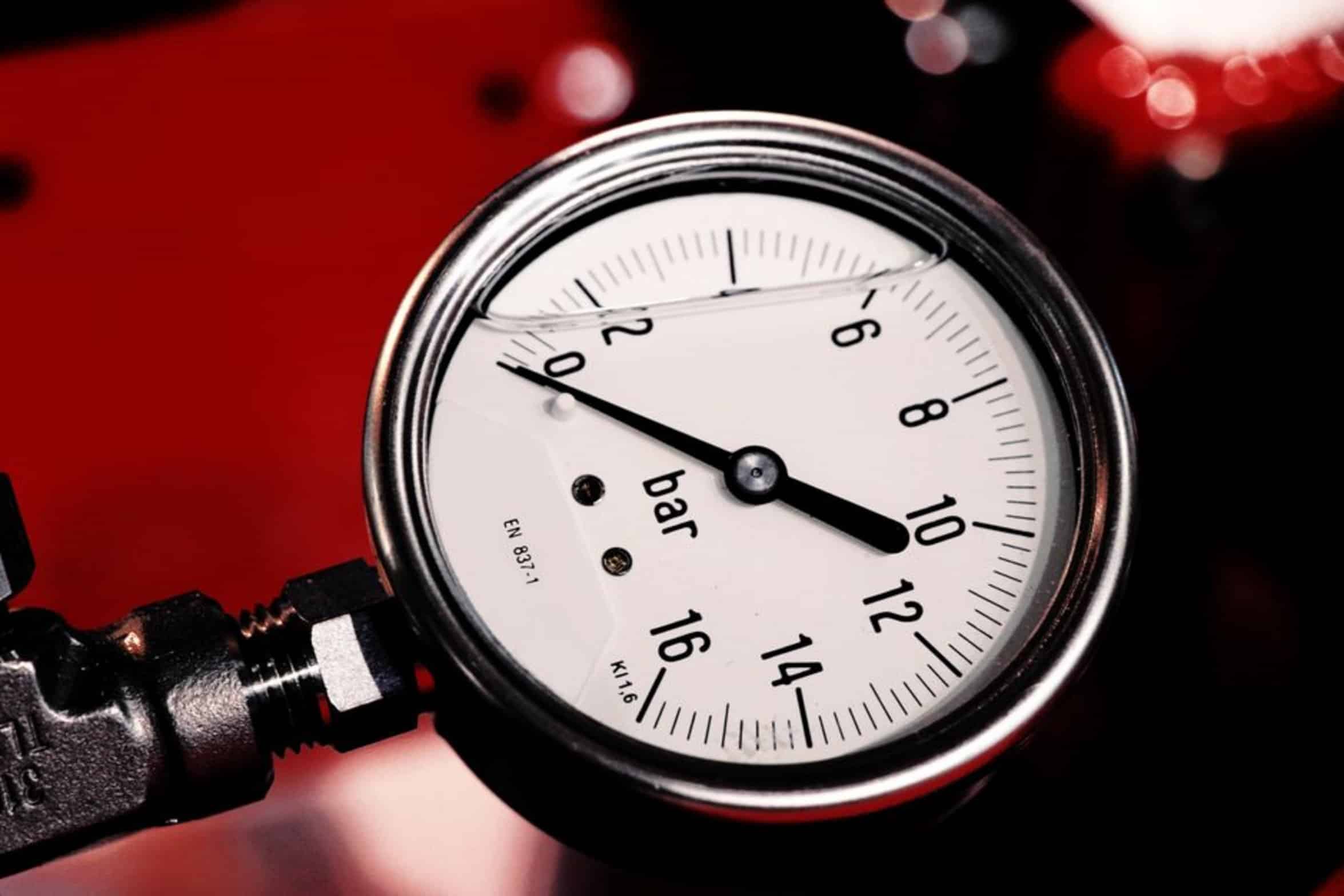
The other difference are pressure ratings. Because of the taper, the NPT is mechanically locked and typically have higher pressure ratings than the BSP. Because the BSP relies on a face seal, it can be more sensitive to alignment.
Not having a flat face mean you don’t have a seal. This is important when working with high pressure applications. Look at the pressure rating of the fitting before mounting.
Mounting something doesn’t make it safe for your compressor. It only makes it fit. The rating is what makes it safe, not the size.
Metric and DIN Standards
It’s a slow process, but the world is migrating to metric standards. In industry, it’s become commonplace to see DIN threads. What are they?
They’re kind of a combination of BSP and NPT: they have the same taper as NPT but with varying pitch angles. Confusing, right? It is one more wrinkle in the belt of the DIY mechanic.
When buying parts or tools from overseas, make sure to specifically ask what thread standard they use. Just because something is made in that particular country doesn’t mean it will be compatible. These days, manufacturing spans the globe.
Tips for Preventing Leaks
Mixing standards happens. The first step in making a good choice is to figure out what you’ve got. What do your hoses look like?
What about your tools? Know the thread type of the hardware you have. Purchase connectors of that same type.
That’s less confusing than converting all of it. The fewer mistakes, the better. It is easier to maintain.
If all the joints are sealed the same way, troubleshooting is simple. That’s all there is to it. And yet why do we forget?
Why don’t we remember? Because the thread isn’t one-size-fits-all. The thread is particular.
And if we treat it like it’s unique, then no more leaks occur. No more damage occurs. No more waste of time occurs.
When you’re about to grab your Teflon tape the next time, take a second look before you do so. Examine those threads and ask yourself: What standard am I working on here? That little extra bit of care will save you from a world of hurt.
The geometry fits the intent; the seal holds.